Chattahoochee Hills, GA · Fulton County
AC Unit Water Removal in Chattahoochee Hills, GAAC Condensate Drain Clearing & AC Leak Mold Prevention
AC Unit Water Removal in Chattahoochee Hills runs from emergency AC water removal and AC leak water cleanup to air conditioner restoration services.
Answered 24/7
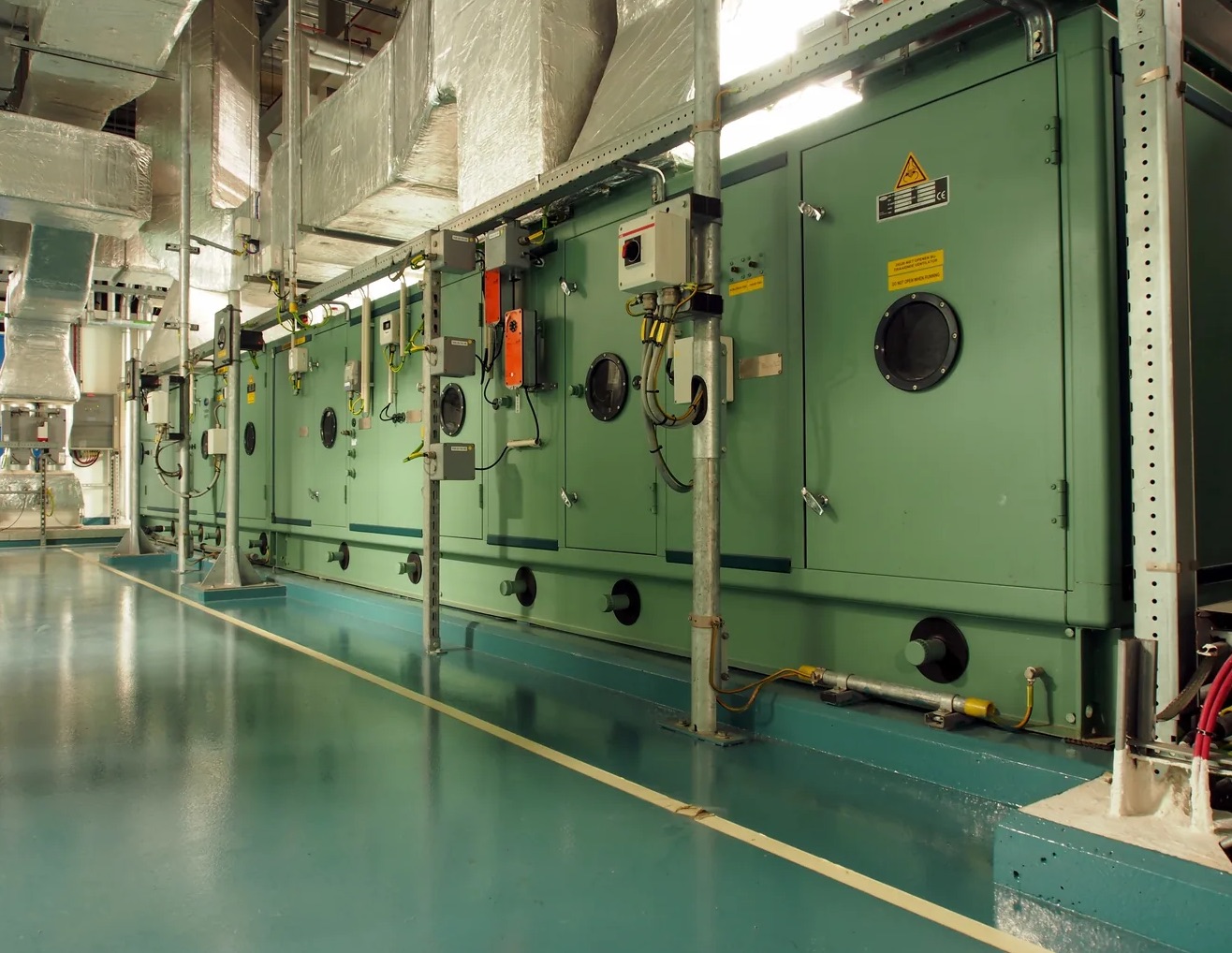
Professional AC Unit Water Removal in Chattahoochee Hills, GA
In Chattahoochee Hills, an AC that runs for months produces a steady flow of condensate. A blocked or disconnected drain line sends that flow into the house, where it soaks whatever sits below the unit.
In Chattahoochee Hills, AC leaks usually show up as ceiling stains under attic units, wet carpet near the furnace closet or water dripping from a vent. Help with AC unit water removal is available across Chattahoochee Hills and in Palmetto, Fairburn and Douglasville, day or night, with extraction, drain clearing and drying.
AC Unit Water Removal Services in Chattahoochee Hills
AC Condensate Drain Clearing
The PVC drain line is cleared with suction or a flush, and the trap is checked so water stops backing up into the pan.
AC Leak Mold Prevention
Once materials are dry, an EPA-registered antimicrobial can be applied to wet wood and drywall near the unit to slow microbial growth.
Emergency AC Water Removal
Fast extraction limits how far the water travels into framing and insulation, and lets drying equipment go in sooner.
Air Conditioner Restoration Services
Work finishes with cleanup and a check that the unit drains properly, so the leak does not return.
AC Leak Water Cleanup
Cleanup starts at the drain pan and works outward, removing pooled water and wet debris so drying can begin.
Warning Signs You Need AC Unit Water Removal
AC Drain Pan Overflow
Water at the rim of the drain pan, or in the secondary pan, means the condensate line is blocked.
Water Stains on Walls
Brown rings or peeling paint on the ceiling under an attic unit, or on walls near the closet, point to a slow leak.
High Indoor Humidity Levels
Rooms that feel clammy while the AC runs may mean water is not draining and is evaporating back into the air.
Visible Mold Near AC
Dark spots on drywall or framing near the unit mean the area has stayed wet for days.
How AC Unit Water Removal Works in Chattahoochee Hills
Step 1: Emergency AC Water Removal
The unit is shut off and standing water is extracted from the drain pan, the floor and any carpet or pad it reached.
Step 2: AC Condensation Line Clearing
The drain line is flushed or vacuumed clear of algae and sludge, so condensate flows outside again.
Step 3: Wet AC Unit Component Drying
Air movers and a dehumidifier dry the cabinet interior and the walls, floor or ceiling around the unit.
Step 4: AC Leak Mold Prevention
Once readings show dry, wood and drywall that stayed wet can be treated with an antimicrobial.
Frequent Sources of AC Water Damage
Disconnected Drain Line
A drain line knocked loose in the attic or closet empties condensate onto the ceiling or floor.
Frozen Evaporator Coils Thawing
A coil that freezes from low airflow sheds a large amount of water at once when it thaws.
Damaged AC Drain Pan
Metal pans rust through and plastic pans crack with age, letting water drip straight through.
Age and Component Wear
Older units have worn fittings, brittle seals and corroded pans that start leaking together.
Residential and Commercial AC Unit Water Removal in Chattahoochee Hills
Residential AC Unit Water Removal
Attic air handlers in houses leak into bedroom and hallway ceilings. The pan is emptied, the ceiling checked with a meter and wet drywall dried or cut out before it sags.
Commercial AC Unit Water Removal
Commercial systems have larger pans and longer drain runs. Clearing the line and drying ceiling tiles and carpet keeps the space open and safe for staff and customers.
Why DIY AC Water Removal Often Fails in Chattahoochee Hills
Mopping up a small drip and clearing the drain line with a wet vac is a reasonable DIY step. Call local air conditioner restoration pros if water reached the ceiling, walls or insulation, or if the leak keeps coming back after you clear the line.
Factors Influencing AC Unit Water Removal Cost in Chattahoochee Hills
An attic unit that leaked all night costs more to fix than a closet leak caught the same day. In Chattahoochee Hills, calling early is the simplest way to keep the bill down.
Emergency Service Timing
After-hours and holiday response can cost more than a scheduled weekday visit.
Affected Component Count
The more of the system that got wet, such as the blower, panels and insulation, the more drying time is needed.
Documentation Needs
Detailed photos and moisture logs for an insurance claim add some time to the job.
Does Insurance Cover AC Unit Water Removal?
Many homeowner policies cover sudden water damage from an AC leak but not repairs to the unit itself or slow leaks from poor upkeep. Read your policy and call your insurer early.
Reasons to Select Local Pros in Chattahoochee Hills for AC Unit Water Removal
Clear Process Communication
Each step is explained before work starts, so you know what is being removed and why.
Preventative Microbial Treatment
Optional antimicrobial treatment can be applied to wood and drywall that stayed wet for days.
Drain Pan Extraction
Both the main pan and the safety pan are emptied and checked for damage.
Emergency AC Unit Water Removal Available 24/7 in Chattahoochee Hills
Every hour of standing water means more drying later and more materials to replace. Call (470) 722-8241 for AC unit water removal in Chattahoochee Hills as soon as you see the leak.
Call Now (470) 722-8241AC Unit Water Removal Service Area Including Chattahoochee Hills
The places below are also served, and each one has its own page.
Frequently Asked Questions About AC Unit Water Removal in Chattahoochee Hills
What equipment is used to dry AC leak damage?
Extractors, air movers, dehumidifiers and moisture meters, plus wet vacs or pumps for the drain line.
How does antimicrobial treatment help after an AC leak?
Once surfaces are dry, an antimicrobial can be applied to wood and drywall that stayed wet to slow microbial growth.
Can a wet AC unit be saved after a leak?
Often yes. Components are dried gently and checked, but an HVAC contractor should inspect electrical parts before the unit runs again.
Why document AC water damage?
Photos and moisture readings show what got wet and how it was dried, which helps your insurance claim.
How quickly should I deal with an AC leak?
Right away. Water that sits for more than a day or two soaks into drywall and insulation and raises the risk of microbial growth.