Snellville, GA · Gwinnett County
AC Unit Water Removal in Snellville, GAAC Leak Water Extraction & Wet AC Unit Component Drying
AC Unit Water Removal in Snellville handles AC drain pan water extraction, AC leak water cleanup and AC leak mold prevention before the water spreads.
Answered 24/7
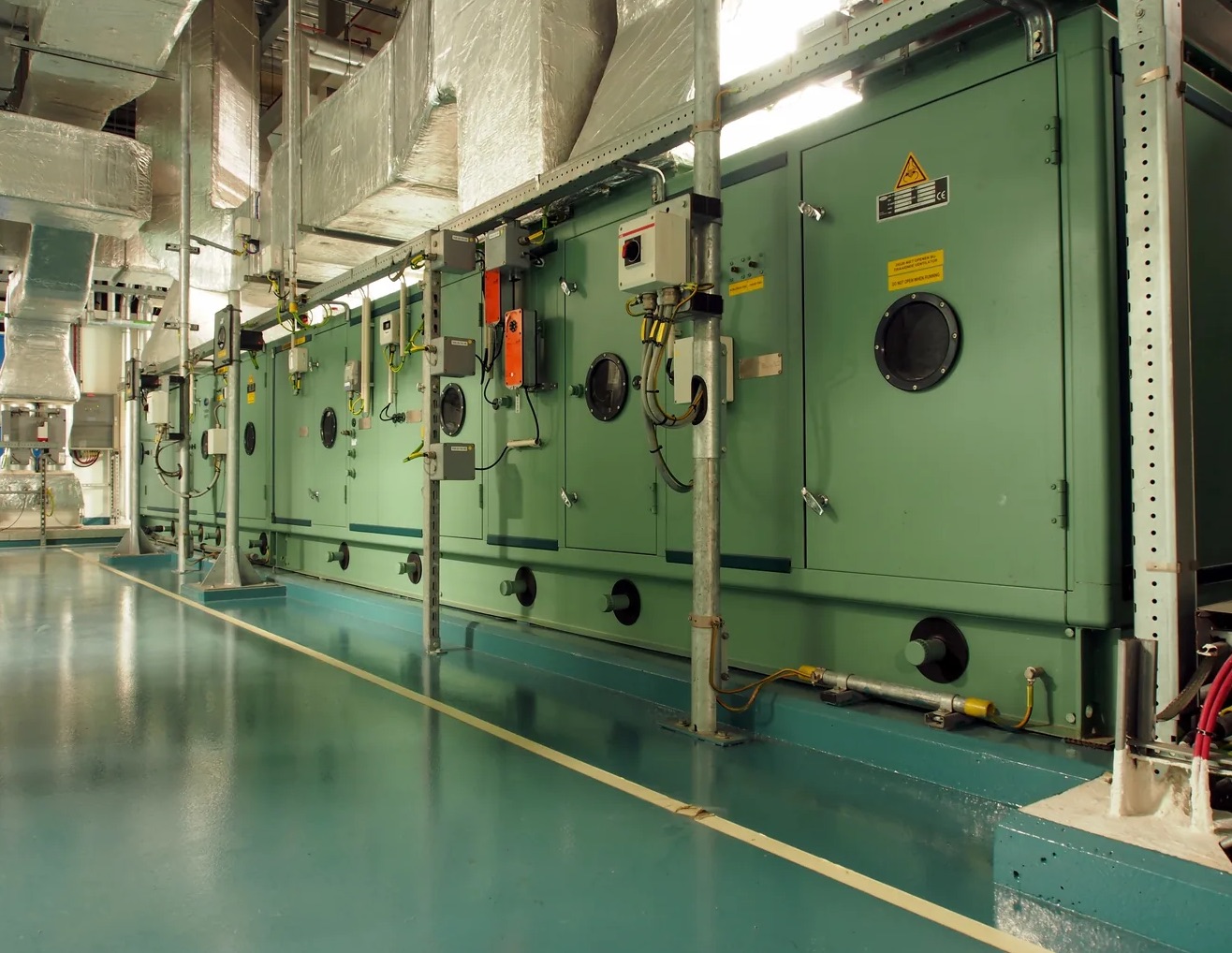
AC Unit Water Removal Near Snellville: What to Expect
Most AC leaks start small: a drip in the furnace closet or a faint stain under an attic unit. In Snellville, the drain pan can fill and overflow for days before anyone notices the damage.
A leaking AC in Snellville rarely fixes itself, and the water keeps soaking the same drywall and subfloor until the drain is cleared. Local AC unit water removal pros serve Snellville and nearby Grayson, Loganville and Lawrenceville, with help available around the clock for leaks of any size.
The AC Unit Water Removal Process in Snellville, GA
AC Leak Water Extraction
Extraction is followed by drying with air movers and dehumidifiers, with daily readings to track progress.
Wet AC Unit Component Drying
Air movers and a dehumidifier are set around the unit, and moisture readings are taken until the metal and insulation test dry.
AC Leak Mold Prevention
Antimicrobial treatment is an add-on step after drying, not a substitute for removing wet materials that cannot be saved.
Emergency AC Water Removal
Help is available day or night for leaks that start after hours, when water dripping from an attic unit cannot wait until morning.
AC Leak Water Cleanup
Water from an overflowing air handler is extracted from the floor, closet or mechanical room, then nearby walls are checked with a moisture meter.
When to Call for AC Unit Water Removal in Snellville
Wet AC Unit Components
Damp coils, a wet blower compartment or moisture around wiring inside the cabinet mean water is collecting where it should not.
AC Drain Pan Overflow
Water at the rim of the drain pan, or in the secondary pan, means the condensate line is blocked.
Musty Odors From Vents
A musty smell when the AC starts often means standing water in the pan or wet insulation in the ducts.
AC System Shuts Off
Many units have a float switch that shuts the system off when the pan fills. If the AC stops cooling, check the pan.
How AC Unit Water Removal Works in Snellville
Step 1: AC Unit Flood Cleanup
Water is extracted to help limit further soaking of insulation, framing and the ceiling below.
Step 2: Drain Line Diagnosis and Clearing
The drain line is inspected for clogs, sags or loose fittings and cleared so water drains outside.
Step 3: Structural and Unit Drying
Air movers and dehumidifiers run around the unit, with daily moisture checks on walls and floors.
Step 4: System Check and Cleanup
The pan is cleaned, the drain is tested with water and the area is left dry.
What Leads to AC Unit Water Removal Needs in Snellville
High Static Pressure in Ducts
Restricted ducts can pull water off the coil and blow it into the cabinet or ductwork.
Dirty Air Filters
A clogged filter cuts airflow, which can freeze the coil and cause overflow when it melts.
Age and Component Wear
Older units have worn fittings, brittle seals and corroded pans that start leaking together.
Excess Outdoor Humidity
Very humid air makes the coil produce more water than a partly clogged drain can carry.
Residential and Commercial AC Unit Water Removal in Snellville
Residential AC Unit Water Removal
For homeowners, the main risk is water soaking into insulation and drywall where no one sees it. Moisture meters find that hidden water so it can be dried before it causes rot.
Commercial AC Unit Water Removal
For property managers, one leaking unit can affect several suites or the floor below. Each wet area is extracted, dried and documented for the owner and insurer.
AC Unit Water Removal vs. DIY: When to Call the Pros
Pouring a cup of diluted vinegar into the drain line each season helps prevent algae clogs. Once water spreads past the unit into walls, ceilings or flooring, it is time to call local AC unit water removal pros for extraction and drying.
Understanding AC Unit Water Removal Pricing in Snellville
In Snellville, most of the cost comes from extraction, equipment days and any drywall or insulation that has to be replaced. A walk-through sets the scope before work starts.
Documentation Needs
Detailed photos and moisture logs for an insurance claim add some time to the job.
Preventative Treatment Scope
Antimicrobial treatment is an optional step, priced by the size of the area treated.
Emergency Service Timing
After-hours and holiday response can cost more than a scheduled weekday visit.
Does Insurance Cover AC Unit Water Removal?
Ask your adjuster whether clearing the condensate line is covered or treated as routine maintenance, since policies differ. The water damage to ceilings, walls and floors is often handled separately from the unit.
Why Choose Local Pros for AC Unit Water Removal in Snellville
Air Conditioner Restoration Focus
Drywall, trim and ceiling repairs can be handled after drying, so one job covers the whole leak.
Drain Pan Extraction
Both the main pan and the safety pan are emptied and checked for damage.
Detailed Moisture Documentation
Photos and moisture readings are recorded at each visit to support your insurance claim.
24/7 AC Unit Water Removal for Emergencies in Snellville
Every hour of standing water means more drying later and more materials to replace. Call (470) 722-8241 for AC unit water removal in Snellville as soon as you see the leak.
Call Now (470) 722-8241AC Unit Water Removal Available in Snellville and Surrounding Towns
Nearby areas served for AC unit water removal include Grayson, Loganville and Lawrenceville, with the same extraction and drying process used in Snellville.
- AC Unit Water Removal in Grayson
- AC Unit Water Removal in Loganville
- AC Unit Water Removal in Lawrenceville
- AC Unit Water Removal in Lilburn
- AC Unit Water Removal in Stone Mountain
- AC Unit Water Removal in Norcross
- AC Unit Water Removal in Lithonia
- AC Unit Water Removal in Tucker
- Emergency Damage Restoration in 30039
- Storm Damage Restoration in 30039
- Water Damage Restoration in 30039
- Water Extraction Service in 30039
- Water Leak Detection in 30039
- Water Removal Service in 30039
- Emergency Damage Restoration in 30078
- Storm Damage Restoration in 30078
Common AC Unit Water Removal Questions Answered
Can an AC condensation leak damage the ceiling?
Yes. Attic units leak straight into the drywall below, causing stains, sagging and eventually collapse if left alone.
What happens if I ignore a drain pan overflow?
The leak keeps wetting the same materials, which can lead to rot, ceiling damage and microbial growth.
How quickly should I deal with an AC leak?
Right away. Water that sits for more than a day or two soaks into drywall and insulation and raises the risk of microbial growth.
What equipment is used to dry AC leak damage?
Extractors, air movers, dehumidifiers and moisture meters, plus wet vacs or pumps for the drain line.
What are signs I need water removed from around my air conditioner?
Puddles near the unit, ceiling stains, a musty smell, a full drain pan or an AC that shuts off on its own.