Tate, GA · Pickens County
AC Unit Water Removal in Tate, GAAC Leak Water Cleanup & Emergency AC Water Removal
AC Unit Water Removal in Tate includes emergency AC water removal, AC drain pan water extraction and AC condensate drain clearing for leaking units.
Answered 24/7
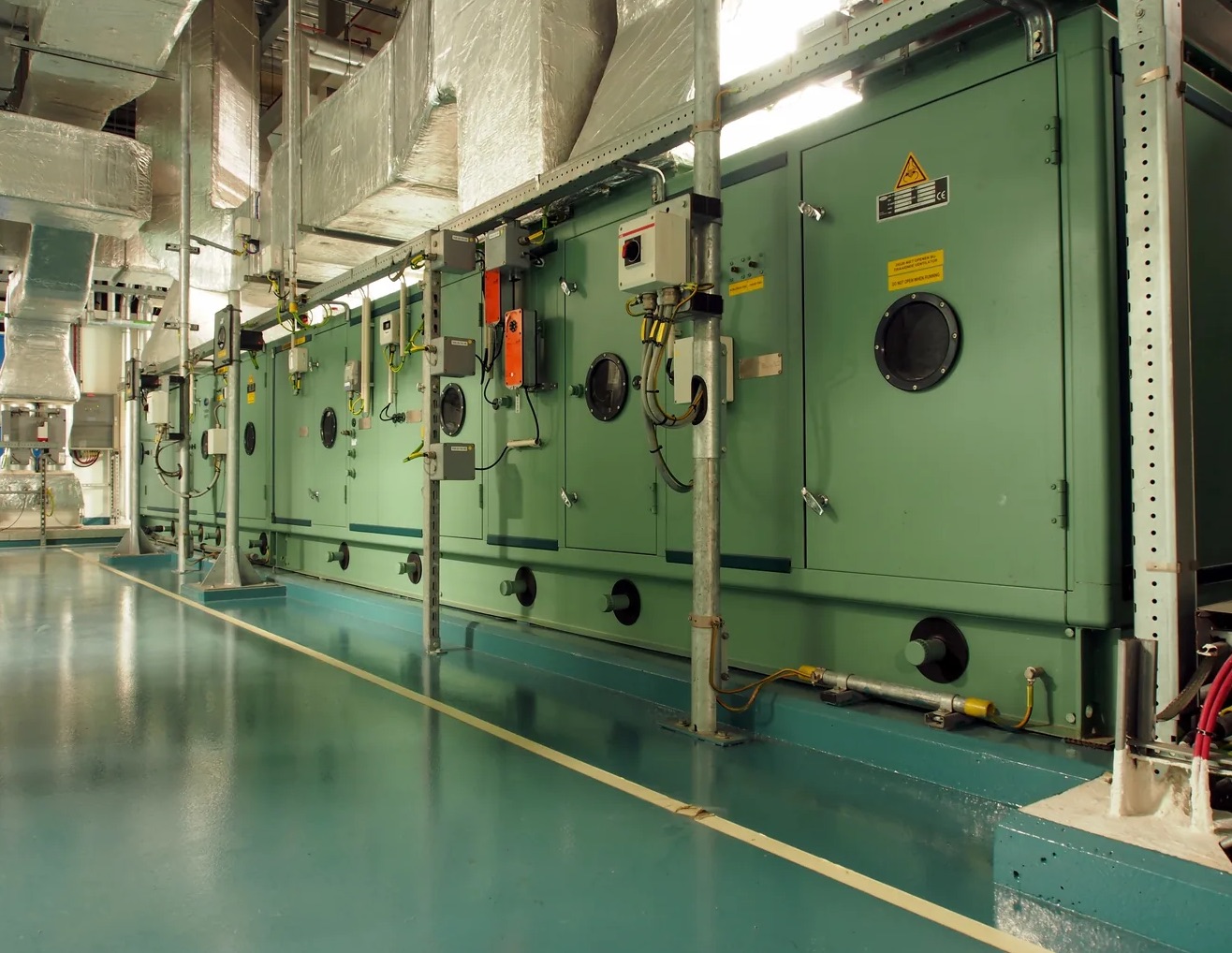
Expert AC Unit Water Removal for Tate Homes
Attic air handlers in Tate leak straight into the ceiling below. A sagging or stained ceiling under the unit means water is already in the drywall and possibly the insulation above it.
A leaking AC in Tate rarely fixes itself, and the water keeps soaking the same drywall and subfloor until the drain is cleared. Local water extraction experts serve Tate and nearby Nelson, Jasper and Ball Ground, with help available around the clock for leaks of any size.
The AC Unit Water Removal Process in Tate, GA
AC Leak Water Cleanup
Standing water around the indoor unit is pumped and vacuumed up first, before it wicks into drywall, baseboards or the subfloor.
Emergency AC Water Removal
Help is available day or night for leaks that start after hours, when water dripping from an attic unit cannot wait until morning.
AC Leak Mold Prevention
Surfaces that stayed damp, such as framing under the air handler, are treated after drying so leftover spores have less to feed on.
Wet AC Unit Component Drying
Air movers and a dehumidifier are set around the unit, and moisture readings are taken until the metal and insulation test dry.
AC Leak Water Extraction
Water is removed from every wet surface the leak reached, including closets and rooms below an attic air handler.
When to Call for AC Unit Water Removal in Tate
Musty Odors From Vents
A musty smell when the AC starts often means standing water in the pan or wet insulation in the ducts.
Unusual AC System Noises
Gurgling or dripping sounds from the unit can mean water is backing up in the drain line.
Visible Mold Near AC
Dark spots on drywall or framing near the unit mean the area has stayed wet for days.
AC Unit Circuit Breaker Trips
Water reaching electrical parts can trip the breaker. Shut the unit off and call before resetting it again.
How AC Unit Water Removal Works in Tate
Step 1: AC Leak Water Cleanup
Pooled water is removed from around the air handler and from any rooms or ceilings the leak reached.
Step 2: AC Drain Pan Water Extraction
The primary and secondary pans are emptied and checked for cracks, rust holes or a stuck float switch.
Step 3: Component and Structure Drying
Wet panels, framing and subfloor are dried with targeted airflow and dehumidifiers until readings are normal.
Step 4: Documentation and Prevention
Photos and readings are recorded for insurance, and simple drain upkeep tips are shared to prevent a repeat.
Why AC Units Leak and Need Water Removal
Clogged AC Condensation Line
Algae and sludge build up in the drain line over a cooling season until water backs up into the pan.
Age and Component Wear
Older units have worn fittings, brittle seals and corroded pans that start leaking together.
Failed Condensate Pump
Units that pump condensate uphill depend on a small pump. When it fails, the reservoir overflows.
Excess Outdoor Humidity
Very humid air makes the coil produce more water than a partly clogged drain can carry.
Expert AC Unit Water Removal for Any Property in Tate
Residential AC Unit Water Removal
In a home, an AC leak usually hits a hallway ceiling, a closet floor or the carpet near the air handler. Water removal and drying start there, followed by drywall repair if needed.
Commercial AC Unit Water Removal
In offices and stores, a leaking rooftop or ceiling unit drips onto desks, stock and floors and creates slip hazards. Work can be scheduled around business hours where possible.
Professional AC Unit Water Removal or DIY Cleanup in Tate
You can turn off the AC, empty the pan and towel up a puddle yourself. Moisture already inside drywall or subflooring is harder, because it takes meters to find and drying equipment to remove it.
Estimating Your AC Unit Water Removal Cost in Tate
An attic unit that leaked all night costs more to fix than a closet leak caught the same day. In Tate, calling early is the simplest way to keep the bill down.
Preventative Treatment Scope
Antimicrobial treatment is an optional step, priced by the size of the area treated.
System Restoration Complexity
Replacing drywall, insulation or trim after drying adds material and labor to the total.
Required Drying Time
Dense materials and enclosed spaces take longer to dry, which means more equipment days.
Does Insurance Cover AC Unit Water Removal?
Photos, moisture readings and a written scope from local water extraction experts help support an insurance claim for AC water damage in Tate. Keep copies of everything you send your adjuster, along with your own photos.
The Value of Local Pros for AC Unit Water Removal in Tate
Systematic Drain Line Clearing
The condensate line is cleared, not just the water mopped up, so the leak does not come right back.
Drain Pan Extraction
Both the main pan and the safety pan are emptied and checked for damage.
Leak Source Identification
The pros trace the leak to its source, whether that is a clog, a cracked pan or a failed pump.
24/7 Emergency AC Unit Water Removal Response in Tate
Every hour of standing water means more drying later and more materials to replace. Call (470) 722-8241 for AC unit water removal in Tate as soon as you see the leak.
Call Now (470) 722-8241AC Unit Water Removal Throughout Tate and Beyond
Besides Tate, the experts handle AC leaks, wet ceilings and clogged condensate lines in nearby Nelson, Jasper and Ball Ground, day or night.
- AC Unit Water Removal in Nelson
- AC Unit Water Removal in Jasper
- AC Unit Water Removal in Ball Ground
- AC Unit Water Removal in Talking Rock
- AC Unit Water Removal in Waleska
- AC Unit Water Removal in Canton
- AC Unit Water Removal in Cumming
- AC Unit Water Removal in Holly Springs
- Emergency Damage Restoration in 30177
- Storm Damage Restoration in 30177
- Water Damage Restoration in 30177
- Water Extraction Service in 30177
- Water Leak Detection in 30177
- Water Removal Service in 30177
Your AC Unit Water Removal Questions Addressed
What is involved in AC unit water removal?
Standing water is extracted, the condensate line is cleared, and wet materials are dried with air movers and dehumidifiers until moisture readings are normal.
What happens if I ignore a drain pan overflow?
The leak keeps wetting the same materials, which can lead to rot, ceiling damage and microbial growth.
Why document AC water damage?
Photos and moisture readings show what got wet and how it was dried, which helps your insurance claim.
What are signs I need water removed from around my air conditioner?
Puddles near the unit, ceiling stains, a musty smell, a full drain pan or an AC that shuts off on its own.
What clogs an AC condensate line?
Algae, sludge, dust and debris build up inside the line, especially over long cooling seasons, until water backs up into the pan.