Duluth, GA · Gwinnett County
Attic Water Extraction in Duluth, GAWet Attic Insulation Removal & Attic Moisture Inspection
Get attic water extraction in Duluth for attic moisture inspection, wet attic insulation removal and attic mold prevention after a leak.
Answered 24/7
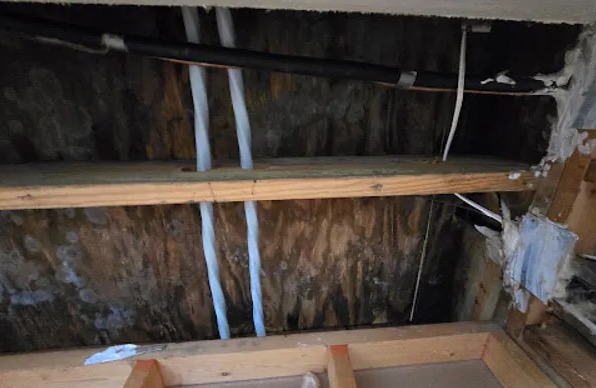
Attic Water Extraction Solutions in Duluth, Georgia
In Duluth, the first sign of attic water is often a brown stain or a bulge in an upstairs ceiling. By then, insulation above it may already be soaked and holding water against the drywall.
A storm in Duluth can push water into an attic in one night. Local water damage pros serve Duluth and nearby Peachtree Corners, Suwanee and Norcross, with extraction available around the clock.
The Attic Water Extraction Process for Properties in Duluth
Wet Attic Insulation Removal
Blown-in insulation that got wet is vacuumed out of the affected bays, and fiberglass batts are pulled and bagged.
Attic Moisture Inspection
Moisture meters and thermal cameras check decking, rafters, insulation and ceiling drywall for water that is not visible.
Emergency Attic Water Extraction
Emergency extraction in an attic starts with catching active drips, then pulling pooled water from between joists with wet vacs and pumps.
Ceiling Water Damage Cleanup
Ceiling cleanup covers the room below: fallen drywall, wet insulation and debris are cleared, and the floor is protected.
Attic Drying Services
Attic ventilation affects drying time. Dehumidifiers pull moisture from the air while air movers push dry air over wet wood.
Detecting the Need for Attic Water Extraction in Your Attic
Condensation on Attic Surfaces
Droplets or damp patches on the underside of the roof decking point to a moisture and ventilation problem.
Visible Mold in Attic
Dark spots on rafters or decking mean the wood has stayed damp for some time.
Increased Indoor Humidity
Upstairs rooms that feel humid or clammy may have moisture coming down from the attic.
Water Dripping From Light Fixtures
Water dripping from a ceiling light or fan is a sign of an active leak above. Turn off that circuit.
How Attic Water Extraction Works in Duluth
Step 1: Attic Leak Source Identification
The pros trace the water to the roof, a pipe or the AC pan and stop it with a tarp or shut-off.
Step 2: Flooded Attic Cleanup
Water, wet debris and fallen insulation are removed, and stored items are moved out of the attic.
Step 3: Structural Drying Setup
Equipment is placed to dry the framing and decking, with the room below checked and dried too.
Step 4: Attic Mold Prevention Treatment
Once dry, wood that stayed wet for days can be cleaned and treated with an antimicrobial.
Why Attics Need Water Extraction in Duluth
Aging or Deteriorated Roofing Materials
Old, curled or cracked shingles and worn underlayment let water through during heavy rain.
Attic Appliance Malfunction
Water heaters, humidifiers and other attic equipment can fail and leak with no warning.
Gutter and Downspout Blockages
Clogged gutters and downspouts let water back up under the roof edge.
Bathroom Exhaust Fan Vent Leaks
Bathroom fans vented into the attic, or with loose ducts, release moisture onto the wood.
Both Residential and Commercial Attic Water Extraction in Duluth, GA
Residential Attic Water Extraction
In two-story homes, attic leaks can reach upstairs ceilings and run down into walls. Each wet area is checked with a meter and dried.
Commercial Attic Water Extraction
Flat-roof buildings often have leaks that travel far before they drip. The water path above the ceiling is traced so no wet section is missed.
Why DIY Attic Water Extraction Often Fails in Duluth
A bulging ceiling can drop without warning. Keep everyone out of the room below, put a bucket nearby and call local water damage pros to drain it safely.
What Influences Attic Water Extraction Cost in Duluth
In Duluth, insulation removal and replacement are often the largest part of an attic job, along with drying equipment and ceiling repair.
Material Removal Needs
Wet insulation and ceiling drywall that must be removed add labor and disposal costs.
Type of Water Involved
Clean rainwater is simpler to remove than water from a drain line or a dirty source.
Access and Complexity
Low headroom, tight access hatches and narrow joists make the work slower.
Does Insurance Cover Attic Water Extraction?
Insurers often want to know what caused the leak and when it started. Notes on the leak point and roof condition help answer that.
Why Choose Local Pros for Attic Water Extraction in Duluth
Attic Drying
Framing, decking and the ceiling below are all dried, not just the spot under the leak.
24/7 Emergency Response
Help is available day or night when a storm or burst pipe puts water in the attic.
Wet Insulation Handling
Wet insulation is bagged and removed without spreading debris into the living space.
Around-the-Clock Attic Water Extraction in Duluth
The longer insulation stays wet, the more ceiling has to be replaced. Call (470) 722-8241 for attic water extraction in Duluth as soon as you see a drip.
Call Now (470) 722-8241Attic Water Extraction Near Duluth: Areas Served
Attic extraction and drying also cover homes and buildings in Peachtree Corners, Suwanee and Norcross, close to Duluth, at any hour.
- Attic Water Extraction in Peachtree Corners
- Attic Water Extraction in Suwanee
- Attic Water Extraction in Norcross
- Attic Water Extraction in Lilburn
- Attic Water Extraction in Big Creek
- Attic Water Extraction in Lawrenceville
- Attic Water Extraction in Sugar Hill
- Attic Water Extraction in Alpharetta
- Emergency Damage Restoration in 30026
- Storm Damage Restoration in 30026
- Water Damage Restoration in 30026
- Water Extraction Service in 30026
- Water Leak Detection in 30026
- Water Removal Service in 30026
- Emergency Damage Restoration in 30029
- Storm Damage Restoration in 30029
Attic Water Extraction FAQs for Duluth Homeowners
Why is wet insulation removal often necessary?
Soaked insulation stays wet for a long time, adds weight to the ceiling and loses its insulating value.
Why is a moisture inspection important after extraction?
Extraction removes pooled water, but wood and drywall stay wet inside. Meters show what still needs drying.
Does a roof leak always cause attic water damage?
Almost always some. Even a small leak wets the decking and insulation, which should be checked and dried.
What equipment is used for attic drying services?
Air movers, dehumidifiers, moisture meters and thermal cameras, plus wet vacs and HEPA vacuums for water and insulation removal.
Is microbial growth common after an attic leak?
It is more likely when wood and insulation stay wet for days. Fast extraction and drying lower that risk.