Hampton, GA · Henry County
Attic Water Removal in Hampton, GAWet Attic Insulation Removal & Attic Mold Prevention
Homeowners in Hampton get Attic Water Removal for emergency attic water extraction, attic moisture inspection and attic drying services.
Answered 24/7
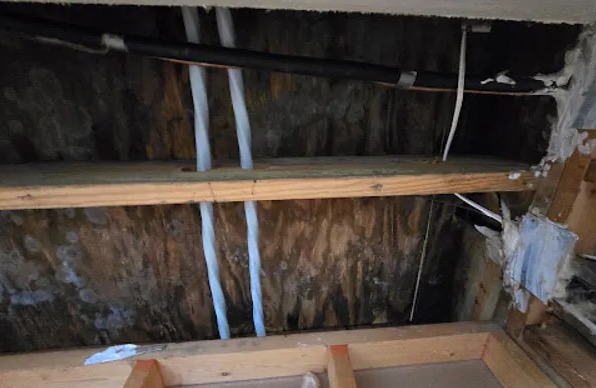
Professional Attic Water Removal in Hampton, GA
Attic leaks that run for a long time in Hampton can rot roof decking and rust fasteners. Even after the roof is fixed, that wood stays wet unless it is dried.
Homeowners in Hampton can call (470) 722-8241 day or night when water starts coming through the ceiling. Service also covers Lovejoy, McDonough and Jonesboro, with the same inspection and drying steps.
The Attic Water Removal Process in Hampton
Wet Attic Insulation Removal
Only the wet sections come out. The edges of the wet area are checked with a meter so dry insulation is not removed by mistake.
Attic Mold Prevention
After drying, wood that was wet for more than a day or two can be treated with an antimicrobial to slow microbial growth.
Ceiling Water Damage Cleanup
A water-stained ceiling below the attic is checked with a meter. Firm, lightly damp drywall can dry in place, while soft or sagging drywall comes down.
Emergency Attic Water Extraction
When a storm or a burst pipe floods the attic, help is available any hour to remove the water before the ceiling below fails.
Attic Moisture Inspection
Readings are recorded at the start and at each visit, giving a clear drying history for your records and insurer.
Warning Signs You Need Attic Water Removal
Musty Odors in Your Home
A musty smell upstairs or at the attic hatch often points to wet insulation or damp wood above.
Condensation on Attic Windows or Nails
Damp nail tips or water droplets on attic surfaces point to moisture or ventilation problems.
Water Dripping From Light Fixtures
Water dripping from a ceiling light or fan means an active leak above. Turn off that circuit.
Rotting Wood on Attic Beams
Soft, dark or crumbling wood on rafters and beams points to long-term moisture.
How Attic Water Removal Works in Hampton
Step 1: Initial Attic Water Damage Assessment
The pros check safety, find the source and map the wet area with moisture meters.
Step 2: Bulk Water and Material Removal
Pooled water, soaked insulation and any sagging drywall are removed from the attic and ceiling.
Step 3: Attic Drying and Evaporation
Warm, dry airflow is aimed at wet wood, with dehumidifiers removing the moisture it releases.
Step 4: Attic Mold Prevention
Once dry, decking and framing that stayed wet can be cleaned and treated with an antimicrobial.
Typical Sources of Attic Water Damage
Burst or Leaking Plumbing Pipes
Supply lines and drain pipes in the attic can crack or burst onto the ceiling.
Storm Damage From High Winds or Hail
High winds and hail can damage shingles and open the roof to rain during a storm.
Appliance Malfunctions Like Water Heater Leaks
Water heaters located in the attic can leak or fail, flooding the attic floor.
HVAC System Leaks or Drain Pan Overflow
An attic air handler overflows when its condensate line clogs or the drain pan cracks.
Home and Business Attic Water Removal Solutions
Residential Attic Water Removal
Homeowners with stored items in the attic need those moved out first. Wet boxes are dried or discarded before the attic floor is cleaned and dried.
Commercial Attic Water Removal
Offices and stores need the space below protected while attic work is under way. Drying is planned around business hours where possible.
Attic Water Removal vs. DIY: When to Call the Pros
Never step between attic joists. The ceiling drywall will not hold you, and a fall can cause injury. If water is pooled up there, call (470) 722-8241 instead.
What Affects Attic Water Removal Cost in Hampton
The cost of attic water removal in Hampton depends on how far the water spread, how much insulation is wet and whether ceiling drywall below must be replaced.
Type of Insulation Affected
Blown-in insulation takes more time to remove than batts, and both add disposal costs.
Mold Prevention Measures
Antimicrobial treatment of wood that stayed wet is an added step, priced by area.
Drying Time Required
Dense wood framing can take several days to dry, which adds equipment time.
Does Insurance Cover Attic Water Removal?
Photograph the attic, the ceiling and any roof damage before cleanup, and keep receipts for tarping and emergency water removal.
Benefits of Local Pros for Attic Water Removal
Structural Drying Focus
Rafters, decking and the ceiling are dried, not just the spot under the drip.
Advanced Moisture Detection
Moisture meters and thermal cameras find wet wood and insulation that look dry.
Damage Documentation
Photos, readings and a list of removed materials are kept for insurance.
Emergency Attic Water Removal Available Anytime
Ceiling sagging under the weight of water? Keep people out of the room below and call (470) 722-8241 now for attic water removal in Hampton.
Call Now (470) 722-8241Local Attic Water Removal Coverage Area
Need attic water removal outside Hampton? Service also covers Lovejoy, McDonough and Jonesboro, including emergency help after storms.
- Attic Water Removal in Lovejoy
- Attic Water Removal in McDonough
- Attic Water Removal in Jonesboro
- Attic Water Removal in Fayetteville
- Attic Water Removal in Stockbridge
- Attic Water Removal in Morrow
- Attic Water Removal in Forest Park
- Attic Water Removal in Riverdale
- Emergency Damage Restoration in 30228
- Storm Damage Restoration in 30228
- Water Damage Restoration in 30228
- Water Extraction Service in 30228
- Water Leak Detection in 30228
- Water Removal Service in 30228
Attic Water Removal FAQs
Can I remove attic water myself?
Only small amounts that are easy to reach safely. Pooled water and soaked insulation need safe footing and drying equipment.
What should I do while waiting for attic leak water cleanup?
Catch drips, move belongings, stay out from under sagging ceilings and turn off power to wet light fixtures.
What is involved in attic water removal?
Stopping the source, removing pooled water, bagging wet insulation, drying the framing and decking, and checking the ceiling below.
Do I need ceiling water damage cleanup too?
Usually. Water in the attic soaks the ceiling below, which needs to be checked and dried or replaced.
What equipment is used for attic water extraction?
Wet vacs, pumps, air movers, dehumidifiers, moisture meters and thermal cameras, plus vacuums for wet insulation.