Blue Ridge, GA · Fannin County
Basement Water Damage Restoration in Blue Ridge, GAEmergency Basement Flood Cleanup & Basement Dehumidification
Basement Water Damage Restoration in Blue Ridge runs from basement water extraction and basement floor water removal to basement dehumidification.
Answered 24/7
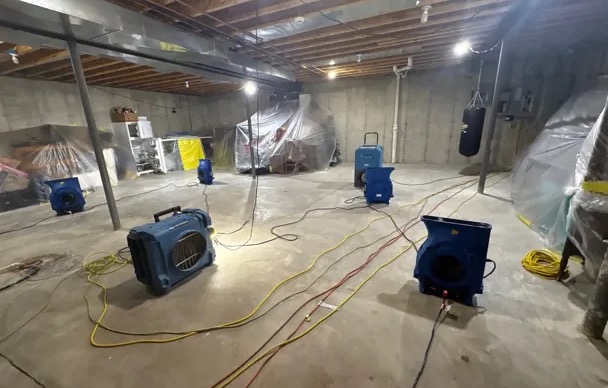
Professional Basement Water Damage Restoration in Blue Ridge, GA
A basement dries slower than any other part of a house. The air is cool, there is little sunlight and the concrete holds moisture for a long time. In Blue Ridge, that makes extraction and steady dehumidification important.
One burst pipe or heavy storm in Blue Ridge can flood a basement. Local water removal pros serve Blue Ridge and nearby Ellijay and Talking Rock, with help available around the clock.
Basement Water Damage Restoration Solutions Available in Blue Ridge
Emergency Basement Flood Cleanup
Emergency cleanup starts with stopping the source where possible, checking for electrical hazards and pumping out the water.
Basement Dehumidification
Large dehumidifiers pull moisture from the basement air so walls, framing and the slab can release their water.
Basement Wall Drying
Concrete and block walls are dried with directed airflow and dehumidifiers, and checked with meters until readings drop.
Basement Water Extraction
Extraction starts at the lowest point, often near the floor drain or sump, and works outward until no pooled water remains.
Basement Sewer Backup Cleanup
After a sewer backup, cleanup and disinfection come before drying, so contaminated surfaces are not left in place.
Indicators for Basement Water Damage Restoration in Blue Ridge
Sewage Odors or Backups
Sewage smells or water coming up through a floor drain mean the sewer line is backing up.
Efflorescence on Concrete Walls
White, chalky deposits on concrete walls mean water is moving through the concrete and leaving minerals behind.
Sump Pump Failure or Overflow
A sump pump that runs constantly, fails to start or lets the pit overflow puts the basement at risk.
High Humidity Levels Below-Grade
A basement that stays damp and clammy even on dry days has a moisture source that needs attention.
How Basement Water Damage Restoration Works in Blue Ridge
Step 1: Floodwater Pump-Out
Submersible pumps remove deep water, and electrical hazards are checked before anyone walks in it.
Step 2: Deep Moisture Extraction
Extractors pull water from carpet, pad and the concrete floor after the deep water is gone.
Step 3: Air Circulation and Drying
Air movers keep dry air moving across walls and floors throughout the basement.
Step 4: Dehumidification and Verification
Dehumidifiers run until humidity and material readings confirm the basement is dry.
Common Causes of Water Damage in Blue Ridge
Clogged Floor Drains
A floor drain blocked by debris cannot carry off water from a leak or overflow, so it spreads across the basement floor.
Sewer Line Backups
A blocked or overloaded sewer line pushes wastewater up through basement drains and toilets.
Window Well Flooding
Window wells without drains or covers fill with rain and leak through basement windows.
Sump Pump Mechanical Failure
A sump pump that fails, loses power or is too small lets groundwater rise into the basement.
Basement Water Damage Restoration for All Properties in Blue Ridge
Residential Basement Water Damage Restoration
Finished basements used as living space need carpet, pad and lower drywall checked carefully. Soaked materials are removed so the walls and slab can dry.
Commercial Basement Water Damage Restoration
Businesses with below-grade storage need inventory moved out of the water quickly. Wet stock is separated and documented for insurance.
Basement Water Damage Restoration vs. DIY: When to Call the Pros
Fans alone can push damp air into the rest of the house. Basement drying needs dehumidifiers to pull the moisture out of the air and the concrete.
Understanding Basement Water Damage Restoration Pricing in Blue Ridge
Waterproofing or sump pump replacement is a separate cost from water removal and drying. In Blue Ridge, both may be needed to prevent a repeat.
Emergency Service
Night, weekend and storm calls can cost more than a scheduled visit.
Secondary Damage
Damage to furnaces, water heaters and belongings adds repair and replacement costs.
Access Complexity
Narrow stairs, low ceilings and stored contents can make the work slower.
Does Insurance Cover Basement Water Damage Restoration?
Photos, moisture readings and drying logs from local water removal pros help support an insurance claim for basement water damage in Blue Ridge.
Reasons to Hire Local Pros for Basement Water Damage Restoration in Blue Ridge
Structural Integrity Assessment
Walls, stairs and framing are checked for damage before work begins in the basement.
Advanced Moisture Detection
Moisture meters and thermal cameras find water in walls and slabs that looks dry.
Containment Strategies
Plastic sheeting keeps contaminated areas separate from clean parts of the house.
24/7 Emergency Basement Water Damage Restoration for Blue Ridge
Storm night, weekend or holiday, the pros handle flooded basements in Blue Ridge. Call (470) 722-8241 to get the pumps running and the water out.
Call Now (470) 722-8241Local Basement Water Damage Restoration Coverage: Blue Ridge and Beyond
Each place listed below has its own page with local details.
- Basement Water Damage Restoration in Ellijay
- Basement Water Damage Restoration in Talking Rock
- Basement Water Damage Restoration in Jasper
- Basement Water Damage Restoration in Dahlonega
- Basement Water Damage Restoration in Tate
- Basement Water Damage Restoration in Nelson
- Basement Water Damage Restoration in Ball Ground
- Basement Water Damage Restoration in Fairmount
- Emergency Damage Restoration in 30513
- Storm Damage Restoration in 30513
- Water Damage Restoration in 30513
- Water Extraction Service in 30513
- Water Leak Detection in 30513
- Water Removal Service in 30513
Frequently Asked Questions About Basement Water Damage Restoration
How long does below-grade drying take after a flood?
Often several days or longer, since concrete and cool basement air dry slowly. Daily readings show progress.
What is involved in basement water damage restoration?
Pumping out water, removing soaked materials, cleaning contaminated areas, drying walls, framing and concrete, and dehumidifying until readings are normal.
What is the purpose of basement wall drying?
To remove water from drywall, insulation, framing and concrete so the walls can be repaired without trapping moisture.
What does below-grade moisture removal include beyond pumping?
Extracting carpet and pad, opening wet walls, running air movers and dehumidifiers, and checking readings until dry.
How is basement restoration documented for insurance?
With photos of the water level and damage, moisture readings, a list of removed materials and daily drying logs.