Buford, GA · Gwinnett County
Basement Water Damage Restoration in Buford, GABasement Wall Drying & Emergency Basement Flood Cleanup
Basement Water Damage Restoration in Buford runs from basement water extraction and basement floor water removal to basement dehumidification.
Answered 24/7
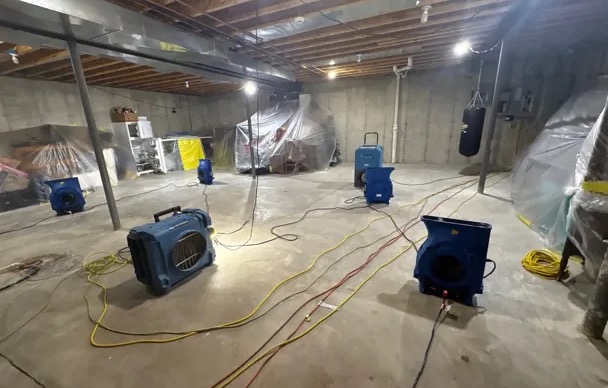
Basement Water Damage Restoration Solutions in Buford, Georgia
Water in a basement does not stay on the floor. It wicks up drywall, soaks insulation and seeps into wood framing. In Buford, a few inches of water can damage walls up to two feet high.
A finished basement or lower level in Buford or Sugar Hill, Suwanee and Flowery Branch can hide old moisture behind drywall and flooring. The pros find the water and dry the space before more damage sets in.
Basement Water Damage Restoration Services in Buford
Basement Wall Drying
Finished basement walls hide wet insulation and framing. Removing the bottom of the drywall lets air reach the cavity.
Emergency Basement Flood Cleanup
A flooded basement can damage furnaces, water heaters and stored items quickly. Fast pumping limits how much is lost.
Basement Sewer Backup Cleanup
Sewage that backs up through a floor drain or toilet is extracted with protective gear, and the area is contained from the rest of the house.
Basement Floor Water Removal
Water on a concrete floor is squeegeed and extracted, and floor coverings such as carpet, vinyl or laminate are lifted to dry the slab.
Basement Water Extraction
Basement water is removed before drying starts, because every gallon left behind keeps the walls and air damp.
Signs of Basement Water Damage in Buford
Warped or Buckling Basement Floors
Laminate, wood or vinyl flooring that buckles or lifts in the basement has water underneath.
Rusted Appliances or Pipes
Rust on the water heater, furnace base or pipes points to repeated moisture or past flooding.
Wet or Stained Basement Walls
Dark, wet patches or tide lines on basement walls show where water seeped in or wicked up.
Mold on Surfaces
Dark spots on drywall, framing or stored boxes mean the area has stayed wet for days.
How Basement Water Damage Restoration Works in Buford
Step 1: Floodwater Pump-Out
Submersible pumps remove deep water, and electrical hazards are checked before anyone walks in it.
Step 2: Deep Moisture Extraction
Extractors pull water from carpet, pad and the concrete floor after the deep water is gone.
Step 3: Air Circulation and Drying
Air movers keep dry air moving across walls and floors throughout the basement.
Step 4: Dehumidification and Verification
Dehumidifiers run until humidity and material readings confirm the basement is dry.
Common Causes of Water Damage in Buford
Sewer Line Backups
A blocked or overloaded sewer line pushes wastewater up through basement drains and toilets.
Stormwater Runoff Into Lower Levels
Heavy rain running off hard ground or a sloped yard can pour down stairwells and under doors into below-grade rooms.
Water Heater or Appliance Leaks
Water heaters, washers and utility sinks in the basement can leak or fail without warning.
Plumbing Pipe Bursts or Leaks
Supply lines and drain pipes in basement ceilings can crack or burst onto the floor below.
Both Residential & Commercial Basement Water Damage Restoration in Buford
Residential Basement Water Damage Restoration
In homes, a flooded basement often means damaged carpet, drywall, a furnace or water heater and stored belongings. Water is pumped out, contents are moved and the space is dried.
Commercial Basement Water Damage Restoration
In commercial buildings, basements hold mechanical rooms, storage and sometimes offices. Water is removed and equipment areas are dried so systems can be checked and restarted.
DIY vs. Professional Basement Water Damage Restoration in Buford
Sewage in a basement should not be cleaned up without gloves, boots and eye protection. For any backup through a floor drain or toilet, call local restoration pros.
Basement Water Damage Restoration Cost in Buford, GA
In Buford, basement jobs often run longer than upper-floor jobs because concrete dries slowly. Equipment days make up much of the bill.
Emergency Service
Night, weekend and storm calls can cost more than a scheduled visit.
Material Saturation
Finished basements with carpet, drywall and insulation take more removal work than bare concrete.
Water Category
Clean water costs less to handle than sewage, which needs protective gear, removal and disinfection.
Does Insurance Cover Basement Water Damage Restoration?
Flood damage from rising outside water usually needs flood insurance. Water from inside the home, like a broken pipe, is more often covered.
Benefits of Local Pros for Basement Water Damage Restoration in Buford
Water Extraction First
Water is removed from floors, carpet and pad before drying starts, which shortens drying time.
Detailed Documentation
Photos, readings and drying logs are kept to support your insurance claim.
Advanced Moisture Detection
Moisture meters and thermal cameras find water in walls and slabs that looks dry.
24/7 Emergency Basement Water Damage Restoration in Buford
Sewage coming up through a floor drain? Stop using water in the house and call (470) 722-8241 now for basement water damage restoration in Buford.
Call Now (470) 722-8241Regions Served for Basement Water Damage Restoration Near Buford
Basement water removal and drying also cover homes and buildings in Sugar Hill, Suwanee and Flowery Branch, close to Buford, day or night.
- Basement Water Damage Restoration in Sugar Hill
- Basement Water Damage Restoration in Suwanee
- Basement Water Damage Restoration in Flowery Branch
- Basement Water Damage Restoration in Big Creek
- Basement Water Damage Restoration in Cumming
- Basement Water Damage Restoration in Hoschton
- Basement Water Damage Restoration in Lawrenceville
- Basement Water Damage Restoration in Oakwood
- Emergency Damage Restoration in 30518
- Storm Damage Restoration in 30518
- Water Damage Restoration in 30518
- Water Extraction Service in 30518
- Water Leak Detection in 30518
- Water Removal Service in 30518
- Emergency Damage Restoration in 30519
- Storm Damage Restoration in 30519
Basement Water Damage Restoration FAQs
What is involved in basement water damage restoration?
Pumping out water, removing soaked materials, cleaning contaminated areas, drying walls, framing and concrete, and dehumidifying until readings are normal.
What does below-grade moisture removal include beyond pumping?
Extracting carpet and pad, opening wet walls, running air movers and dehumidifiers, and checking readings until dry.
Is basement floor water removal different from carpet extraction?
Yes. Bare concrete is squeegeed and dried, while carpet and pad need extraction, and the pad is usually replaced.
Why is quick action important for below-grade flood restoration?
Basements dry slowly, so every hour of standing water adds days of drying and more material to replace.
What are signs of hidden moisture after below-grade water extraction?
Musty smells, tide lines on walls, damp carpet edges and moisture readings that stay high in walls or the slab.