Madison, GA · Morgan County
Basement Water Extraction in Madison, GABasement Sewage Backup Cleanup & Emergency Basement Drying
Basement Water Extraction in Madison runs from basement flood water extraction and basement carpet water removal to emergency basement drying.
Answered 24/7
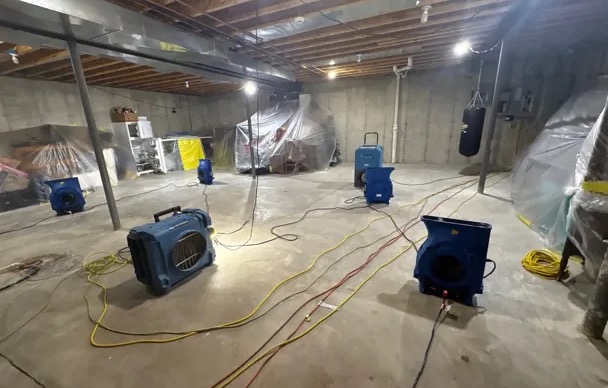
Local Basement Water Extraction Services for Madison Homes
Basement water comes in three kinds: clean water from a supply line, gray water from a washer or drain, and sewage from a sewer backup. In Madison, each needs a different level of cleanup.
Homes in Madison and nearby Social Circle, Eatonton and Monroe with basements see flooding from storms, plumbing leaks and sewer backups. Help with basement water extraction covers pump-out, carpet and floor extraction and drying of walls and the slab.
The Basement Water Extraction Process for Madison Properties
Basement Sewage Backup Cleanup
Sewage from a floor drain or basement toilet is extracted with protective gear, and the area is sealed off from the rest of the house.
Emergency Basement Drying
Basements need more dehumidification than upper floors. Large units run until walls, framing and slab reach normal readings.
Basement Mold Prevention Services
After drying, an antimicrobial can be applied to studs, sill plates and the slab to slow mold on surfaces that stay in place.
Foundation Leak Water Extraction
Moisture meters show how far seepage spread behind finished walls, so the right sections are opened and dried.
Basement Flood Water Extraction
Flood water in a basement is removed in stages: pumps for depth, extractors for floors and carpet, and wet vacs for corners and stair landings.
Warning Signs of a Basement Flood in Madison
Damp or Wet Carpeting
Carpet that feels damp or cold underfoot is holding water in the pad against the concrete.
Peeling Paint or Bubbling Drywall
Bubbling drywall or peeling paint on lower walls usually has moisture behind it.
Visible Standing Water
Any standing water on the basement floor needs to be pumped out before it soaks into walls and framing.
Mold or Mildew
Dark spots on drywall, framing or stored boxes mean an area has been damp for days.
How Basement Water Extraction Works in Madison
Step 1: Initial Flood Water Pump Out
Submersible pumps remove deep water, starting at the lowest point near the floor drain.
Step 2: Material-Specific Water Removal
Carpet, pad, drywall and flooring are each extracted, dried or removed based on readings.
Step 3: Controlled Drying
Dehumidifiers and air movers keep humidity low so walls and concrete can release their water.
Step 4: Final Sanitizing and Odor Control
Remaining surfaces are cleaned, and musty or sewage odors are addressed before repairs.
Typical Sources of Basement Water in Madison
Appliance Malfunctions and Overflows
Washers, utility sinks and dehumidifier drains in the basement can overflow or leak.
Heavy Rainfall or Storm Flooding
Heavy rain saturates the soil around the foundation and pushes water into the basement.
Sump Pump Failure or Overflow
A sump pump that fails, loses power or is overwhelmed lets groundwater rise into the basement.
Clogged or Damaged Gutters
Overflowing gutters and short downspouts dump roof water right next to basement walls.
Local Basement Water Extraction for Any Property in Madison
Residential Basement Water Extraction
Homeowners with finished basements need carpet, pad and lower drywall checked closely. Wet materials are removed so the framing and slab can dry fully.
Commercial Basement Water Extraction
Businesses with below-grade inventory need wet stock moved out and documented. Extraction and drying are planned around operations where possible.
The Risks of DIY Basement Water Extraction in Madison
You can move boxes and furniture off the floor and run a household dehumidifier. Extracting carpet pad and drying walls and slabs needs larger equipment and moisture readings.
Investing in Basement Water Extraction for Your Madison Home
In Madison, basement jobs usually take longer to dry than upper floors, so equipment days make up much of the cost.
Necessary Demolition and Removal
Cutting out wet drywall, insulation and flooring adds labor and disposal fees to the job.
Required Drying Time
Basements dry slowly, and each extra day of equipment adds to the cost.
Mold Prevention Measures
Antimicrobial treatment of framing and concrete that stayed wet is an added step.
Does Insurance Cover Basement Water Extraction?
Many homeowner policies cover sudden basement water from a burst pipe, but not seepage or groundwater. Sewer backup coverage is often an add-on, so check your policy.
Benefits of Local Pros for Basement Water Extraction in Madison
Industry Drying Standards
Extraction and drying follow industry water damage standards, with readings at every visit.
Contaminated Water Protocols
Sewage and dirty water are handled with protective gear, containment and disinfection.
Mold Prevention Approach
Fast drying is the main way to limit microbial growth in a below-grade space.
Emergency Basement Flood Response in Madison
The sooner a basement is pumped and dried, the less has to be replaced. Call (470) 722-8241 for basement water extraction in Madison as soon as you see water.
Call Now (470) 722-8241Basement Water Extraction Available for Properties Throughout Madison
The places below are also served, and each one has its own page.
- Basement Water Extraction in Social Circle
- Basement Water Extraction in Eatonton
- Basement Water Extraction in Monroe
- Basement Water Extraction in Covington
- Basement Water Extraction in Winder
- Basement Water Extraction in Loganville
- Basement Water Extraction in Conyers
- Basement Water Extraction in Grayson
- Emergency Damage Restoration in 30650
- Storm Damage Restoration in 30650
- Water Damage Restoration in 30650
- Water Extraction Service in 30650
- Water Leak Detection in 30650
- Water Removal Service in 30650
FAQs on Basement Water Extraction and Drying
How is moisture removal verified after basement drying?
Readings on walls, framing and slab are compared to dry areas until they match.
What are the risks of delaying wet basement cleanup?
More drywall, flooring and framing to replace, longer drying times, odors and a higher risk of microbial growth.
How is basement water damage documented for insurance?
With photos of the water level and damage, moisture readings, removed materials and daily drying logs.
What makes sewage backup cleanup different?
Sewage carries bacteria, so it needs protective gear, containment, removal of porous materials and disinfection before drying.
What is involved in basement water extraction?
Making power safe, pumping out deep water, extracting carpet and floors, opening wet walls and starting dehumidification.