Clarkston, GA · DeKalb County
Basement Water Removal in Clarkston, GABasement Floor Water Damage & Emergency Basement Flooding
After a burst pipe or storm, Basement Water Removal in Clarkston means basement water pump out, basement wall drying and basement drying services.
Answered 24/7
Reliable Basement Water Removal Near Clarkston, Georgia
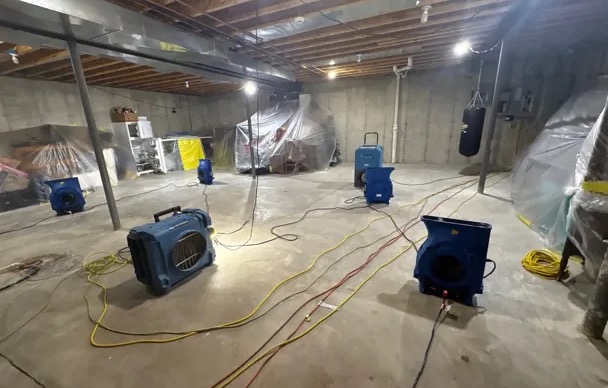
Dehumidification is the slow but necessary part of basement water removal in Clarkston. Pumps remove standing water quickly, but walls and concrete keep releasing moisture for days.
A single storm or burst pipe in Clarkston can flood a basement. Local basement drying experts serve Clarkston and nearby Tucker, Stone Mountain and North Decatur, with help available around the clock.
Comprehensive Basement Water Removal Solutions
Basement Floor Water Damage
Flooring that buckled or swelled is removed. Tile and sealed concrete can often be cleaned and dried in place.
Emergency Basement Flooding
Emergency response starts with making power safe, stopping the source if possible and pumping out the water.
Basement Wall Drying
Opening the bottom of finished walls lets air reach the studs and sill plate, which otherwise stay wet behind the drywall.
Basement Water Pump Out
Pumping starts once power to the basement is safe. Deep water goes first, then extractors handle the thin layer left on the floor.
Basement Dehumidification
Dehumidifiers run continuously during drying, and their output is checked to track how much water is still coming out of the materials.
Warning Signs You Need Basement Water Removal
Water Stains on Walls or Ceiling
Stains on lower walls or the ceiling below a bathroom or kitchen point to a leak.
Standing Water in Basement
Standing water anywhere on the basement floor needs to be pumped out before it soaks the walls.
Wet or Damp Basement Walls
Basement walls that look dark, feel damp or show tide lines are taking on or holding water.
Rusted Appliances or Furniture
Rust on appliance bases, furniture legs or metal shelving points to standing water or long-term dampness.
How Basement Water Removal Works in Clarkston
Step 1: Source Control and Water Pump Out
The leak is shut off and standing water is pumped out, starting at the lowest point.
Step 2: Water Extraction
Extractors pull water from carpet, pad and concrete, and wet vacs clear corners and stairs.
Step 3: Dehumidification and Drying
Large dehumidifiers and air movers dry walls, framing and slab over several days.
Step 4: Inspection and Clearance for Repair
Final readings confirm the basement is dry and ready for drywall and flooring repairs.
Why Basements Flood in Clarkston
Heavy Rainfall and Storm Flooding
Heavy rain saturates the soil and pushes water through walls, cracks and the floor joint.
High Water Table and Hydrostatic Pressure
A high water table presses groundwater against the slab and walls, forcing it inside.
Improper Landscape Grading
Soil that slopes toward the house directs rainwater straight to the basement walls.
Plumbing Leaks or Pipe Bursts
Supply lines, drain pipes and water heaters in the basement can leak or burst onto the floor.
House and Business Basement Water Removal in Clarkston
Residential Basement Water Removal
Older homes with a basement may see seepage with every heavy storm. Water removal handles the current damage, and the entry point is noted for a waterproofing contractor.
Commercial Basement Water Removal
Multi-unit buildings with shared basements need each storage and laundry area pumped, dried and documented for the property manager.
The Risks of DIY Basement Water Removal
Do not step into basement water if cords, outlets or appliances are in it. Shut off power at the panel only if you can reach it from a dry spot, then call (470) 722-8241.
Basement Water Removal Cost in Clarkston, GA
The pros look at water depth, water type and basement finishes before pricing basement water removal in Clarkston, then explain the scope.
Drying Time Required
Basements dry slowly, and each extra day of equipment adds to the total.
Time of Service
Night, weekend and storm calls can cost more than a scheduled weekday visit.
Affected Materials
Finished walls, carpet and laminate take more removal work than bare concrete.
Does Insurance Cover Basement Water Removal?
Ask your adjuster early how your policy treats seepage and sewer backups, since many policies limit or exclude both kinds of water.
Advantages of Local Basement Water Removal Experts
Post-Service Moisture Verification
Final readings are recorded before equipment leaves, so you know the basement is dry.
Methodical Water Removal Process
Water is removed in a set order: pump-out, extraction, removal of soaked materials, then drying.
Contamination Safety Protocols
Sewage and dirty water are handled with protective gear, containment and disinfection.
Round-the-Clock Basement Water Removal for Clarkston
The faster a basement is pumped out, the more can be saved. Call (470) 722-8241 for basement water removal in Clarkston as soon as you see water.
Call Now (470) 722-8241Basement Water Removal Near Clarkston: Areas Served
Basement water removal also covers homes and buildings in Tucker, Stone Mountain and North Decatur, close to Clarkston, day or night.
- Basement Water Removal in Tucker
- Basement Water Removal in Stone Mountain
- Basement Water Removal in North Decatur
- Basement Water Removal in Decatur
- Basement Water Removal in North Druid Hills
- Basement Water Removal in Doraville
- Basement Water Removal in Chamblee
- Basement Water Removal in Brookhaven
- Emergency Damage Restoration in 30021
- Storm Damage Restoration in 30021
- Water Damage Restoration in 30021
- Water Extraction Service in 30021
- Water Leak Detection in 30021
- Water Removal Service in 30021
Frequently Asked Basement Water Removal Questions
Can wet drywall in a basement be saved?
Sometimes, if the water was clean and removed quickly. Soaked or contaminated drywall is cut out above the water line.
How is basement wall drying done?
Wet drywall is cut back, insulation removed and directed airflow and dehumidifiers dry the studs and masonry.
What causes basement floor water damage?
Storm seepage, burst pipes, appliance leaks, foundation cracks and sewer backups through floor drains are the usual sources.
Why is basement dehumidification important after pumping?
Walls and concrete keep releasing moisture for days. Dehumidifiers remove it so the basement does not stay damp.
Can I dry my basement myself with fans?
Fans help with surface water, but walls and concrete need dehumidifiers and readings to dry fully.