Tyrone, GA · Fayette County
Basement Water Removal in Tyrone, GABasement Wall Drying & Basement Drying Services
After a burst pipe or storm, Basement Water Removal in Tyrone means basement water pump out, basement wall drying and basement drying services.
Answered 24/7
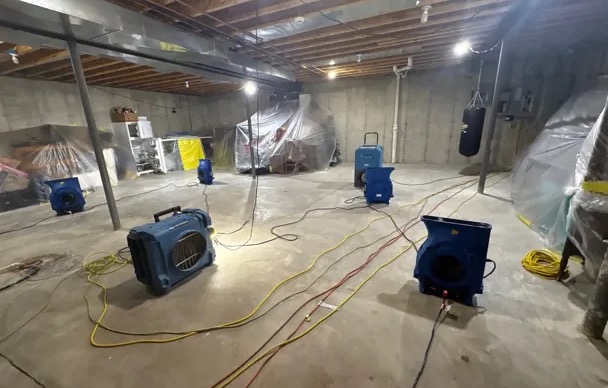
Professional Basement Water Removal in Tyrone, GA
In Tyrone, a burst pipe or heavy rain can let water rise fast in a basement. The water usually spreads from the low point across the whole floor and into finished rooms.
A single storm or burst pipe in Tyrone can flood a basement. Local basement drying experts serve Tyrone and nearby Peachtree City, Palmetto and Fairburn, with help available around the clock.
The Basement Water Removal Process in Tyrone
Basement Wall Drying
Basement walls are checked with moisture meters. Wet drywall is cut back above the water line, and insulation behind it is removed.
Basement Drying Services
Equipment stays until the basement reads dry, not just until it looks dry. Removing it early lets dampness return.
Basement Floor Water Damage
Concrete floors are squeegeed, extracted and dried with airflow and dehumidifiers until moisture readings drop.
Sump Pump Failure Water Cleanup
When a sump pump stops, groundwater spreads across the floor. The water is pumped out and the floor and lower walls are extracted.
Basement Water Pump Out
When water is more than an inch or two deep, pumps move it far faster than wet vacs, which limits how long walls sit in water.
Common Symptoms Requiring Basement Water Removal
Mold or Mildew
Dark spots on drywall, framing or stored items mean the area has stayed wet for days.
Rusted Appliances or Furniture
Rust on appliance bases, furniture legs or metal shelving points to standing water or long-term dampness.
Efflorescence on Concrete Walls
White, powdery deposits on concrete walls mean water is passing through the masonry.
Wet or Damp Basement Walls
Basement walls that look dark, feel damp or show tide lines are taking on or holding water.
How Basement Water Removal Works in Tyrone
Step 1: First Call and Initial Assessment
The source, the type of water and the depth are checked, and the water level is photographed.
Step 2: Bulk Water and Contaminant Removal
Pumps remove standing water, and carpet, pad or drywall touched by dirty water is removed.
Step 3: Drying With Monitoring
Dehumidifiers and air movers run around the clock, with readings logged every day on walls and slab.
Step 4: Post-Drying Evaluation and Documentation
Final readings and photos are compiled to show the basement is dry and what was removed.
Sources of Basement Water Problems
High Water Table and Hydrostatic Pressure
A high water table presses groundwater against the slab and walls, forcing it inside.
Foundation Cracks and Seepage
Cracks in foundation walls and the slab let groundwater seep in during wet weather.
Window Well Leaks and Drainage
Window wells without drains or covers fill with rain and leak through the windows.
Appliance Malfunctions and Overflows
Washers, utility sinks and water softeners in the basement can overflow or leak.
Both Residential & Commercial Basement Water Removal
Residential Basement Water Removal
Finished basements used as bedrooms or family rooms need careful moisture checks behind walls and under flooring, since that is where water hides.
Commercial Basement Water Removal
Businesses with below-grade storage need wet inventory moved out and documented. Drying is planned around daily operations wherever possible.
Professional Basement Water Removal Versus Do-It-Yourself
Checking appliance hoses and extending downspouts away from the house are good DIY steps before storm season. Once the basement floods, call (470) 722-8241 for help.
Understanding Basement Water Removal Pricing
Waterproofing and drainage work are separate costs. In Tyrone, they may be needed to stop the next flood.
Contamination Level
Sewage or dirty water needs protective gear, removal and disinfection, which costs more.
Time of Service
Night, weekend and storm calls can cost more than a scheduled weekday visit.
Access and Complexity
Narrow stairs, low ceilings and crowded storage areas make the work slower and longer.
Does Insurance Cover Basement Water Removal?
Coverage for basement water removal depends on the water source and your policy. The pros document the damage and drying, and your insurer decides what is covered.
Benefits of Hiring Local Pros for Basement Water Removal in Tyrone
Moisture Inspection
Meters and thermal cameras find water in walls, floors and slab that looks dry.
24/7 Emergency Response
Help is available day or night when water is rising in the basement.
Industry Drying Standards
Water removal and drying follow industry water damage standards, with readings at every visit.
Emergency Basement Flood Response in Tyrone
If water is near outlets, the furnace or the electrical panel, stay out of it. Call (470) 722-8241 for help in Tyrone and wait for power to be made safe.
Call Now (470) 722-8241Local Basement Water Removal Coverage for Peachtree City, Palmetto and Fairburn
Need basement water removal outside Tyrone? Service also covers Peachtree City, Palmetto and Fairburn, including emergency help during storms.
- Basement Water Removal in Peachtree City
- Basement Water Removal in Palmetto
- Basement Water Removal in Fairburn
- Basement Water Removal in Fayetteville
- Basement Water Removal in Union City
- Basement Water Removal in Sharpsburg
- Basement Water Removal in Riverdale
- Basement Water Removal in Newnan
- Emergency Damage Restoration in 30290
- Storm Damage Restoration in 30290
- Water Damage Restoration in 30290
- Water Extraction Service in 30290
- Water Leak Detection in 30290
- Water Removal Service in 30290
Frequently Asked Basement Water Removal Questions
What should I do right after basement flooding?
Make power safe, avoid sewage, move belongings above the water, take photos and call for water removal.
Why is basement dehumidification important after pumping?
Walls and concrete keep releasing moisture for days. Dehumidifiers remove it so the basement does not stay damp.
What is involved in basement water removal?
Making power safe, pumping out standing water, extracting floors and carpet, removing soaked materials and dehumidifying until dry.
How does a basement moisture inspection work?
Moisture meters and thermal cameras check walls, floors and the slab, including behind finished walls and under flooring.
Why is fast water removal so important for basements?
Basements dry slowly, so every hour of standing water adds drying days and more materials to replace.