Loganville, GA · Walton County
Ceiling Water Extraction in Loganville, GACeiling Mold Prevention Services & Ceiling Leak Water Cleanup
Ceiling Water Extraction in Loganville runs from ceiling moisture inspection and emergency ceiling water extraction to ceiling water damage repair.
Answered 24/7
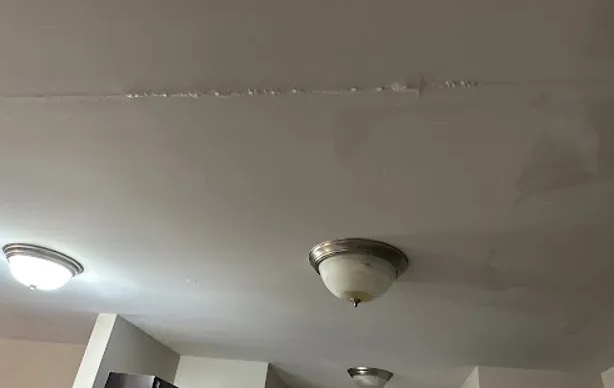
Ceiling Water Extraction Solutions in Loganville, Walton County
Storm leaks in Loganville put water into ceilings fast, often at night. Rain finds gaps in roofing and flashing, runs along rafters and pools on the ceiling drywall below.
In Loganville, Grayson, Snellville and Lawrenceville, many ceiling leaks start in bathrooms on the floor above. Ceiling Water Extraction drains and dries the ceiling and notes the source for repair.
The Ceiling Water Extraction Process in Loganville
Ceiling Mold Prevention Services
Drying the cavity quickly is the main way to limit microbial growth above a ceiling. Joists that stayed wet can be treated once dry.
Ceiling Leak Water Cleanup
Water, wet insulation and debris are cleared from above the ceiling and from the floor and furniture in the room below.
Roof Leak Water Removal
Rain coming through the roof is caught and drained, and a tarp can be placed over the damaged area to stop more water getting in.
Ceiling Water Damage Repair
Once the cavity is dry, new drywall is installed, taped and finished, and the ceiling is primed and painted to blend in.
Ceiling Cavity Drying Services
Drying the cavity is what keeps stains and odors from returning once the ceiling is patched.
Signs of Water Damage Requiring Ceiling Water Extraction in Loganville
Water Pooling on the Floor
Water pooling on the floor below the ceiling needs extraction to protect flooring and furniture.
Dripping Sounds Behind Walls
Dripping sounds inside walls below a ceiling leak can mean water is running down the wall cavity.
Bulging or Sagging Ceiling Drywall
A ceiling that bulges or droops is full of water and can fall. Keep everyone out from under it.
Visible Mold on Ceiling
Dark spots on the ceiling mean the drywall has stayed wet for days.
How Ceiling Water Extraction Works in Loganville
Step 1: Emergency Response
Help is available any hour, and people are kept out of the room until the ceiling is drained.
Step 2: Drywall Removal If Needed
Soaked or sagging drywall is cut out so the cavity can dry.
Step 3: Dehumidification Process
Dehumidifiers and air movers run until the joists, insulation and drywall edges are dry.
Step 4: Monitoring and Completion Report
Daily readings are logged, and a final report is provided with photos for insurance.
Why Ceiling Water Extraction is Needed in Loganville
Roof Leaks From Storm Damage
Storm damage to shingles and flashing lets rain into the attic and onto the ceiling below.
Overflowing or Leaking Appliances
Washers, dishwashers and water heaters on upper floors can leak into the ceiling below.
Window or Skylight Seal Failure
Worn seals around skylights and windows let rain into the ceiling during storms.
Condensation From HVAC Systems
Attic air handlers overflow when the condensate line clogs or the drain pan cracks.
Ceiling Water Extraction for All Properties in Loganville
Residential Ceiling Water Extraction
Homeowners with textured or popcorn ceilings often want the repair to blend in. Texture is reapplied after drying, and the pros explain how close the match will be.
Commercial Ceiling Water Extraction
Apartment buildings may have ceiling leaks that pass through several units. Each ceiling is drained, dried and documented separately.
Should You DIY or Call the Pros for Ceiling Water Extraction?
Catching drips with a bucket, moving furniture and taking photos are good first steps. Call local moisture removal specialists if the ceiling is bulging, soft or dripping steadily.
Understanding Ceiling Water Extraction Expenses in Loganville
The pros map the wet area before pricing ceiling water extraction in Loganville, then explain what will be drained, removed and dried.
Mold Prevention Measures
Antimicrobial treatment of joists and drywall that stayed wet is an added step.
Required Drying Time
Ceiling cavities that need several days of drying add equipment time to the total.
Necessary Repair Work
Replacing, taping, texturing and painting drywall after drying adds to the cost.
Does Insurance Cover Ceiling Water Extraction?
Coverage for ceiling water extraction depends on the cause and your policy. The pros document the damage and the drying, and your insurer decides what is covered.
Advantages of Hiring Local Pros in Loganville for Ceiling Water Extraction
Source Identification
The pros trace the leak to the roof, plumbing or appliance above and note it for repair.
Moisture Detection
Meters and thermal cameras show how far water spread above the ceiling, beyond the stain.
Cavity Drying
The space above the ceiling is dried directly, not just the room below it.
Urgent Ceiling Water Extraction Response in Loganville
The sooner water is drained from a ceiling, the less drywall must be replaced. Call (470) 722-8241 for ceiling water extraction in Loganville.
Call Now (470) 722-8241Ceiling Water Extraction Near Loganville: Areas Served
Besides Loganville, local moisture removal specialists drain and dry leaking ceilings in nearby Grayson, Snellville and Lawrenceville.
- Ceiling Water Extraction in Grayson
- Ceiling Water Extraction in Snellville
- Ceiling Water Extraction in Lawrenceville
- Ceiling Water Extraction in Monroe
- Ceiling Water Extraction in Conyers
- Ceiling Water Extraction in Lilburn
- Ceiling Water Extraction in Norcross
- Ceiling Water Extraction in Winder
- Emergency Damage Restoration in 30052
- Storm Damage Restoration in 30052
- Water Damage Restoration in 30052
- Water Extraction Service in 30052
- Water Leak Detection in 30052
- Water Removal Service in 30052
Ceiling Water Extraction Common Questions Answered
How do I know if my ceiling needs moisture removal?
If it is stained, bulging, dripping, soft or smells musty, the drywall or the space above is holding water.
Why is a ceiling moisture inspection important?
Water spreads across the top of the drywall beyond the stain. Readings show the full wet area so none is missed.
What is the difference between extraction and drying for a ceiling?
Extraction removes the liquid water. Drying removes the moisture left in the joists, insulation and drywall.
How quickly should I deal with water in my ceiling?
Right away. Water adds weight to the drywall and keeps soaking in, and a bulging ceiling can fall without warning.
What equipment is used for water extraction from a ceiling?
Buckets and wet vacs for draining, extractors for the floor, air movers, dehumidifiers, meters and thermal cameras.