Tate, GA · Pickens County
Clean Water Extraction (Category 1) in Tate, GAWall Cavity Water Extraction & Hard Surface Floor Drying
Homeowners in Tate get Clean Water Extraction (Category 1) for hard surface floor drying, emergency water mitigation and ceiling leak water removal.
Answered 24/7
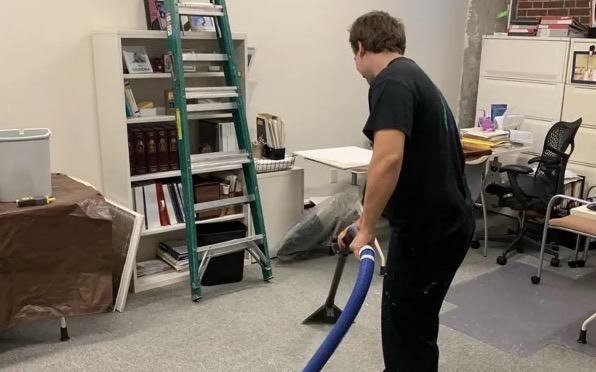
Clean Water Extraction (Category 1) for Tate Properties
Clean water from a pipe in the ceiling or floor above can soak a room below in Tate. The ceiling may bulge with water before it starts to drip.
In Tate, many clean water calls start with a burst washer hose or water heater leak. Local water extraction pros serve Tate, Nelson, Jasper and Ball Ground, extracting the water and drying floors and walls.
Complete Clean Water Extraction (Category 1) Services in Tate
Wall Cavity Water Extraction
Moisture readings show how high water wicked into the wall, so only the wet part is opened.
Hard Surface Floor Drying
Tile, sealed concrete and hardwood are squeegeed and extracted, then dried with air movers. Grout lines and seams are checked for water underneath.
Wet Carpet Water Extraction
Clean water in carpet is pressed out with weighted extraction tools. Because the water is clean, the carpet can often be dried and kept.
Ceiling Leak Water Removal
The ceiling cavity is dried along with the room below, so both levels are back to normal before repairs.
Clean Water Removal From Flooring
Floors are dried until readings match unaffected areas, so new flooring or refinishing does not trap moisture.
How to Know You Need Clean Water Extraction (Category 1) in Tate
High Indoor Humidity
A room that feels damp or fogs windows after a leak still has wet materials releasing moisture.
Musty Odors After a Leak
A musty smell a day or two after a leak means water is still trapped in carpet, walls or subfloor.
Wet Carpets or Rugs
Carpets and rugs that are wet or squish underfoot are holding water in the pad below.
Puddles in Unused Rooms
Water appearing in rooms no one uses often comes from a hidden supply line leak inside a wall or under a floor.
How Clean Water Extraction (Category 1) Works in Tate
Step 1: Emergency Water Inspection
The source and type of water are confirmed, and the wet area is mapped with moisture meters.
Step 2: Standing Water Pump Out
Deep water is pumped out, and floors are extracted once the water is shallow enough.
Step 3: Targeted Moisture Removal
Carpet, hard floors and wall bases are extracted and dried with directed airflow.
Step 4: Drying Verification and Documentation
Daily readings track drying, and a final log confirms the area is back to normal.
Frequent Sources of Home Water Leaks in Tate
Appliance Malfunctions
Washers, dishwashers and refrigerators fail at hoses and fittings and leak onto the floor.
Fire Sprinkler Activation
A damaged or triggered fire sprinkler releases clean water across a room.
Water Heater Failure
Water heaters leak or burst as tanks corrode and fittings wear out.
Overflowing Sinks or Tubs
Sinks and tubs left running overflow with clean water onto floors and into rooms below.
Clean Water Extraction (Category 1) for Homes and Businesses in Tate
Residential Clean Water Extraction (Category 1)
In homes, clean water leaks usually come from laundry rooms, kitchens and water heater closets. Water is extracted, belongings protected and floors and walls dried so they can stay.
Commercial Clean Water Extraction (Category 1)
In offices and stores, a supply line break can soak carpet and walls across several rooms. Extraction and drying are planned around business hours to keep the space open.
The Risks of DIY Clean Water Extraction (Category 1) in Tate
Running household fans helps the surface dry, but clean water trapped under floors and inside walls needs dehumidifiers and moisture readings to dry fully and safely.
Understanding Clean Water Extraction (Category 1) Cost in Tate
Appliance or plumbing repairs are separate from water extraction and drying. In Tate, both are usually needed after a leak.
Affected Square Footage
More square feet of wet flooring and walls means more extraction and more drying equipment.
Equipment Needs
The number of air movers, dehumidifiers and pumps needed, and for how long, drives much of the cost.
Access and Complexity
Crawl spaces, tight closets and areas under cabinets take more work to reach and dry.
Does Insurance Cover Clean Water Extraction (Category 1)?
Insurers often want to see that the water was dealt with quickly. Starting extraction and keeping records helps show that.
Benefits of Local Clean Water Extraction (Category 1) in Tate, GA
Detailed Damage Documentation
Photos, readings and drying logs are kept to support your insurance claim.
Content Protection and Moving
Furniture and belongings are moved or blocked up so they stay dry and do not stain carpet.
Drying Plan
Drying follows a set plan based on readings, with equipment moved as each area dries.
24/7 Clean Water Extraction (Category 1) Available in Tate
Clean water soaks into floors and walls fast and can turn dirty if left. Call (470) 722-8241 for clean water extraction (category 1) in Tate at any hour.
Call Now (470) 722-8241Local Clean Water Extraction (Category 1) Areas Including Tate
Clean water extraction also covers homes and businesses in Nelson, Jasper and Ball Ground, close to Tate, day or night.
- Clean Water Extraction (Category 1) in Nelson
- Clean Water Extraction (Category 1) in Jasper
- Clean Water Extraction (Category 1) in Ball Ground
- Clean Water Extraction (Category 1) in Talking Rock
- Clean Water Extraction (Category 1) in Waleska
- Clean Water Extraction (Category 1) in Canton
- Clean Water Extraction (Category 1) in Cumming
- Clean Water Extraction (Category 1) in Holly Springs
- Emergency Damage Restoration in 30177
- Storm Damage Restoration in 30177
- Water Damage Restoration in 30177
- Water Extraction Service in 30177
- Water Leak Detection in 30177
- Water Removal Service in 30177
Frequently Asked Clean Water Extraction (Category 1) Questions
What is involved in hard surface floor drying?
Extracting water from tile, concrete or wood, checking grout and seams for water underneath and drying with air movers and dehumidifiers.
How quickly should standing water be removed?
Right away. Clean water soaks into materials within hours and can become contaminated if it sits for more than a day or two.
Are air movers and dehumidifiers always necessary?
For anything beyond a small surface spill, yes. The pros dry the water that soaked into carpet, walls and subfloors.
What happens after the water is pumped out?
Carpet and floors are extracted, walls and subfloors are checked with meters and drying equipment runs until readings are normal.
How long does clean water damage cleanup take?
Extraction takes hours, and drying usually takes a few days, depending on materials and how long the water sat.