Dunwoody, GA · DeKalb County
Desiccant Dehumidification in Dunwoody, GAMold Prevention Drying & Firefighting Water Drying
After a flood, Desiccant Dehumidification in Dunwoody means flood drying services, emergency dehumidification and water damage dehumidification.
Answered 24/7
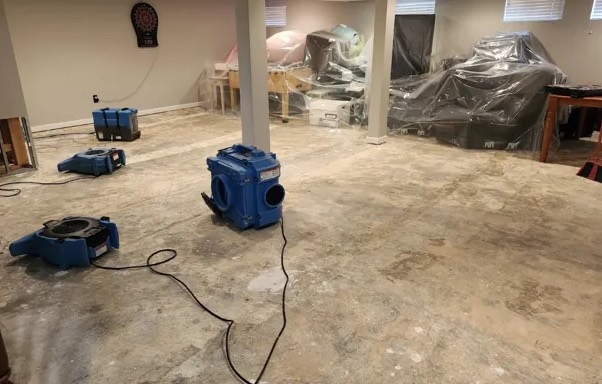
Desiccant Dehumidification Solutions in Dunwoody, Georgia
After water damage in Dunwoody, dry air pulls moisture out of wet materials. The drier the air, the faster walls, floors and framing give up their water.
Property owners in Dunwoody can call (470) 722-8241 day or night when water damage needs drying. Service also covers Sandy Springs, Chamblee and Doraville, with equipment sized to the space.
Desiccant Dehumidification Methods Used in Dunwoody
Mold Prevention Drying
In contained work areas, desiccant dehumidifiers keep the air dry while damaged materials are removed and framing is cleaned.
Firefighting Water Drying
After a fire, water used by firefighters soaks walls, floors and ceilings. Desiccant drying helps dry those materials once debris is cleared.
Flood Drying Services
Floodwater is treated as contaminated, so soaked porous materials are removed and surfaces cleaned before drying starts.
Construction Drying Services
New construction can trap moisture in concrete, drywall mud and framing. Desiccant units help dry the building before finishes go in.
Water Damage Dehumidification
Dehumidification runs alongside air movers, and readings are taken daily until every wet material is back to normal.
Indicators for Desiccant Dehumidification in Your Dunwoody Home
Active Mold Spots
Dark spots appearing on walls or ceilings mean materials stayed damp long enough for mold.
Musty Smell in Stored Items
Boxes and fabrics that smell musty show the space has stayed damp too long.
Wet Insulation in Attics or Walls
Insulation that is wet in attics or walls holds water against framing and slows drying.
Strong Damp Odor in Rooms
A damp smell that stays in a room after cleanup means materials there are still holding moisture.
How Desiccant Dehumidification Works in Dunwoody
Step 1: Emergency Moisture Evaluation
The wet area is mapped and the right size and type of dehumidifier is chosen.
Step 2: High-Capacity Setup
Large desiccant units are placed for big spaces or cool areas where standard units struggle.
Step 3: Active Drying Cycle
Dry air is moved across wet materials, with daily readings to track progress.
Step 4: Completion and Insurance Records
Final readings and daily drying logs are compiled into a record for your insurer.
What Leads to Humidity Damage Needing Desiccant Dehumidification in Dunwoody
Foundation Cracks and Seepage
Foundation cracks let groundwater seep into lower levels, keeping walls and floors damp.
New Construction Moisture Trapped
New concrete, drywall mud and framing on job sites hold moisture until they are dried.
Appliance Malfunctions and Overflows
Washers, dishwashers and water heaters that leak leave wet floors, cabinets and walls.
Severe Weather and Storm Flooding
Storms and flooding soak lower levels and leave large volumes of wet material.
Desiccant Dehumidification for All Property Types in Dunwoody
Residential Desiccant Dehumidification
Homeowners with damp basements may need desiccant drying after a flood because cool concrete and air slow standard units.
Commercial Desiccant Dehumidification
Warehouses with large slabs and stock need humidity kept low during drying to protect inventory and dry the concrete.
Why DIY Falls Short for Desiccant Dehumidification in Dunwoody
Buying a moisture meter can help you check walls after a small leak. For larger damage, readings from local moisture removal pros confirm when materials are truly dry.
Understanding Desiccant Dehumidification Expenses in Dunwoody
Repairs after drying are a separate cost. In Dunwoody, fully dried materials often mean fewer repairs are needed.
Duration of Equipment Use
Drying usually takes several days, and each day of equipment use adds to the total.
Time of Response
Night, weekend and holiday setup can cost more than a scheduled weekday visit.
Number of Dehumidifiers
The number and size of dehumidifiers needed for the space is a major part of the cost.
Does Insurance Cover Desiccant Dehumidification?
Photograph wet areas before drying begins and keep receipts for emergency extraction, drying equipment and any hotel stay during the work.
Selecting Local Pros for Desiccant Dehumidification in Dunwoody, Georgia
Detailed Moisture Documentation
Daily humidity and moisture readings are logged to show progress and support insurance claims.
Damage Assessment
The full affected area is checked, including rooms next to and below the source.
Targeted Drying
Equipment is placed for the specific materials and spaces that are wet.
Round-the-Clock Desiccant Dehumidification in Dunwoody, GA
Crawl space or lower level wet after a storm? Call (470) 722-8241 now for desiccant dehumidification in Dunwoody before the framing stays damp.
Call Now (470) 722-8241Desiccant Dehumidification Service Area Including Dunwoody
Besides Dunwoody, local moisture removal pros handle desiccant and standard drying in nearby Sandy Springs, Chamblee and Doraville.
- Desiccant Dehumidification in Sandy Springs
- Desiccant Dehumidification in Chamblee
- Desiccant Dehumidification in Doraville
- Desiccant Dehumidification in Roswell
- Desiccant Dehumidification in Brookhaven
- Desiccant Dehumidification in Peachtree Corners
- Desiccant Dehumidification in North Druid Hills
- Desiccant Dehumidification in Tucker
- Emergency Damage Restoration in 30338
- Storm Damage Restoration in 30338
- Water Damage Restoration in 30338
- Water Extraction Service in 30338
- Water Leak Detection in 30338
- Water Removal Service in 30338
- Emergency Damage Restoration in 30346
- Storm Damage Restoration in 30346
Desiccant Dehumidification FAQs
What equipment is used for commercial building drying?
High-capacity desiccant or refrigerant dehumidifiers, air movers, moisture meters and sometimes ducting to direct dry air.
Can desiccant dehumidification help prevent mold?
Yes. Lowering humidity and drying materials quickly is one of the main ways to keep mold from starting.
How does a desiccant dehumidifier work differently?
It passes air over a material that absorbs moisture instead of cooling the air, so it keeps working in cool conditions.
What is desiccant dehumidification used for?
Drying spaces after water damage where standard dehumidifiers struggle, such as cool crawl spaces, large buildings and dense materials.
Why use desiccant drying after a fire?
Firefighting water soaks large areas, and high-capacity drying helps remove that moisture once debris is cleared.