Dallas, GA · Paulding County
High-Velocity Air Mover Drying in Dallas, GAWall Cavity Drying & Commercial Building Air Mover Drying
High-Velocity Air Mover Drying in Dallas includes wall cavity drying, hardwood floor drying and basement water drying.
Answered 24/7
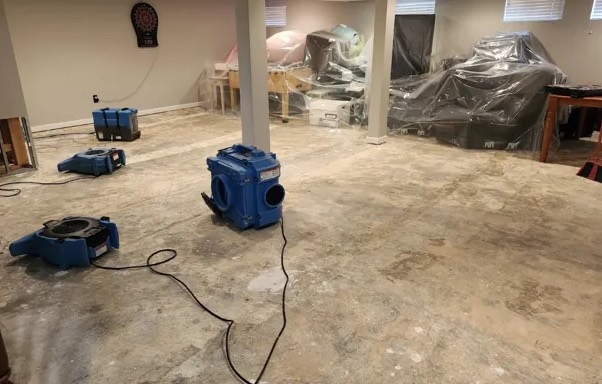
Professional High-Velocity Air Mover Drying in Dallas, GA
In Dallas, drying stops water damage inside the structure itself. Without proper drying, water hidden in wall cavities or under hardwood leads to large repairs later.
Help with high-velocity air mover drying is a vital resource for homes and commercial properties throughout Dallas and nearby areas like Hiram, Powder Springs and Rockmart following water incidents. Local water damage pros apply these rapid drying methods to address saturation in carpets, wall cavities, and subfloors, common issues in the area's structures.
Tailored High-Velocity Air Mover Drying for Dallas Properties
Wall Cavity Drying
Water trapped in a wall needs airflow inside the cavity, which is standard practice when drying water-damaged walls.
Commercial Building Air Mover Drying
In commercial spaces, air movers are placed along stockrooms and main halls so drying covers every wet area with little disruption.
Equipment Assisted Drying
Air movers are one part of a drying system. Dehumidifiers and moisture readings make sure the materials actually reach their drying goals.
Residential Flood Drying Services
In homes, air movers set up directed airflow that draws water out of drywall, wood and carpet pad.
Hardwood Floor Drying
For wet hardwood floors in Dallas, time-sensitive drying is critical. High-velocity air movers are arranged to dry the floor surface and the space beneath it simultaneously.
Symptoms Needing High-Velocity Air Mover Drying Intervention
High Humidity in a Specific Area
A humid or clammy feel in one room points to water that has not dried out.
Carpet Feels Soggy or Damp
Carpet that stays wet or soggy for more than a day is holding water in the pad that needs forced airflow to dry.
Peeling Paint or Wallpaper
Bubbling or peeling paint or wallpaper means moisture is trapped behind the surface, inside the wall cavity.
Water Stains on Building Materials
Yellow or brown stains on ceilings, walls or floors show where leaks may have left water behind.
How High-Velocity Air Mover Drying Works in Dallas
Step 1: Emergency Water Removal
Bulk water is extracted first so the materials spend less time soaking it up.
Step 2: Application of Drying Technology
Air movers then put steady, directed airflow on all of the wet surfaces.
Step 3: Humidity and Temperature Management
Temperature and humidity are managed so drying stays on track and condensation does not form.
Step 4: Validation of Structural Dryness
A final check confirms the structure is dry in homes and commercial buildings alike.
Sources of Moisture for Air Mover Drying in Dallas
Fire Suppression System Activation
Sprinkler system discharge, while saving a property from fire, leaves behind significant water.
Improper Grading and Poor Drainage
Ground that slopes toward the foundation sends rain at the walls and keeps them damp.
HVAC System Condensation Issues
Faulty condensate drains or poorly insulated ducts can drip moisture into wall cavities and ceilings.
Sewer Backups and Drain Clogs
A clogged main line or municipal sewer backup forces contaminated water into properties.
High-Velocity Air Mover Drying for All Properties in Dallas
Residential High-Velocity Air Mover Drying
Carpet and hardwood floors are the most common things to dry in homes. Local drying specialists aim air movers at fibers and planks to pull water out before boards warp or shrink.
Commercial High-Velocity Air Mover Drying
Restaurants, schools and hospitals need sanitary, rapid drying. Readings are taken until every area is back to normal so the space can reopen.
When to Choose Local Pros for High-Velocity Air Mover Drying
Monitoring the drying progress with a moisture meter can provide data if you own one. Check dry areas versus wet areas to see if your efforts are reducing moisture levels. This is only effective for surface checks.
What Affects High-Velocity Air Mover Drying Cost in Dallas, GA
For basements or wall cavities, cost depends on how many air movers are used, whether dehumidifiers are added, and how long everything runs.
Ancillary Dehumidification Need
Dehumidifiers are usually needed alongside air movers, adding equipment to the setup.
Post-Drying Verification
Final moisture checks to confirm everything is dry are part of the cost.
Equipment Quantity and Type
The number and size of air movers needed grows with the size of the wet area.
Does Insurance Cover High-Velocity Air Mover Drying?
Coverage for high-velocity air mover drying depends on the cause of loss and the specific policy. The decision to cover this water damage drying process rests with the insurance adjuster; homeowners should confirm applicability directly.
Advantages of High-Velocity Air Mover Drying by Local Pros in Dallas
Targeted Structural Drying
The drying plan is matched to the materials, from hardwood floors to concrete slabs.
Advanced Moisture Detection
Moisture meters find water in wall cavities and subfloors that DIY drying often misses.
Comprehensive Damage Documentation
Logs and photos of moisture levels support your insurance claim for the drying.
24/7 Emergency High-Velocity Air Mover Drying in Dallas
An after-hours flood still needs drying right away, because wet materials keep absorbing water overnight. Call (470) 722-8241 for emergency high-velocity air mover drying, any day of the week.
Call Now (470) 722-8241High-Velocity Air Mover Drying Coverage Around Dallas, GA
Air mover drying after a leak or flood is available in Dallas and nearby Hiram, Powder Springs and Rockmart.
- High-Velocity Air Mover Drying in Hiram
- High-Velocity Air Mover Drying in Powder Springs
- High-Velocity Air Mover Drying in Rockmart
- High-Velocity Air Mover Drying in Douglasville
- High-Velocity Air Mover Drying in Acworth
- High-Velocity Air Mover Drying in Temple
- High-Velocity Air Mover Drying in Villa Rica
- High-Velocity Air Mover Drying in Kennesaw
- Emergency Damage Restoration in 30132
- Storm Damage Restoration in 30132
- Water Damage Restoration in 30132
- Water Extraction Service in 30132
- Water Leak Detection in 30132
- Water Removal Service in 30132
- Emergency Damage Restoration in 30157
- Storm Damage Restoration in 30157
High-Velocity Air Mover Drying Information and FAQs
Why is rapid drying equipment necessary after a flood?
Fast drying stops the damage from spreading and prevents mold, which can start within a day or two.
Is basement water drying a long process?
It depends on how wet the materials are, but air movers dry things much faster than leaving them to dry on their own.
What is post-extraction structural drying?
This phase begins after standing water is removed; air movers and dehumidifiers are deployed to dry the remaining moisture in materials.
How are air movers used in different rooms?
Units are placed to move air across all wet surfaces, often several of them working together through doorways.
What is high-velocity air mover drying?
It is drying with powerful fans that push fast-moving air across wet surfaces, so water evaporates faster after water damage.