Lithonia, GA · DeKalb County
Moisture Detection Services in Lithonia, GAPost-Flood Moisture Assessment & Subfloor Moisture Inspection
Moisture Detection Services in Lithonia handles pinless moisture meter testing, structural drying verification and wall cavity moisture detection.
Answered 24/7
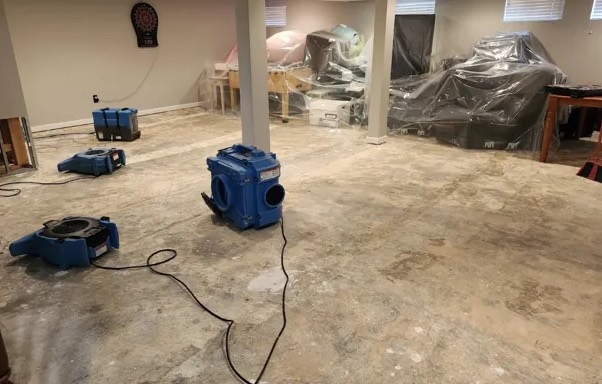
Local Moisture Detection Services in Lithonia, Georgia
Undetected moisture can cause mold growth, wood rot, and damage to drywall and insulation over weeks. Early water damage inspection helps limit repair needs and prevents ongoing issues.
Properties in Lithonia and nearby areas like Conyers, Stone Mountain and Clarkston benefit from precise moisture detection services to address hidden water damage. Local moisture detection pros use infrared moisture scanning and pinless meter testing to identify dampness in walls and floors, helping prevent mold and structural issues.
Specialized Moisture Detection Services in Lithonia, GA
Post-Flood Moisture Assessment
After a flood, water can hide in unexpected places. Local moisture inspection experts perform this detailed assessment to help ensure no area is missed, preventing future odors and structural damage.
Subfloor Moisture Inspection
Moisture probes and meters assess the wood or concrete subfloor, which must be completely dry to prevent flooring failure and mold.
Pinless Moisture Meter Testing
Pinless moisture meter testing measures surface moisture content without punctures. It gives instant readings on drywall, wood, and concrete, indicating where deeper investigation or drying is needed.
Thermal Imaging Moisture Detection
A thermal camera scan is a core method for hidden moisture detection. It shows water migration patterns inside building assemblies.
Structural Drying Verification
Structural drying verification takes systematic moisture readings to confirm materials are dry. Walls, floors and subfloors must read dry before rebuilding starts.
Indications You Require Moisture Detection Services
Spongy Drywall or Soft Spots
Walls or ceilings feel soft or damp to the touch. This sponginess means structural materials have absorbed significant water.
Musty or Damp Odors
A persistent musty smell often signals hidden moisture problems. This odor can indicate mold or trapped water in wall cavities.
Condensation on Windows or Pipes
Excessive condensation forms on cold surfaces. This often suggests high moisture levels within the building envelope.
Creaking or Sagging Subfloors
Floors make unusual noises or feel unstable underfoot. This can be a symptom of long-term subfloor moisture inspection needs.
How Moisture Detection Services Work in Lithonia
Step 1: Emergency Response and Evaluation
Upon quick action, the pros perform an emergency evaluation of the water damage situation. They prioritize safety and identify immediate moisture detection needs.
Step 2: Humidity Testing and Environment Scan
Ambient humidity testing and a full environment scan establish baseline moisture levels. This data helps differentiate between surface dampness and deeply absorbed moisture.
Step 3: Wet Spot Detection and Mapping
Floors, walls and ceilings are checked in a grid, and each wet area is logged on a moisture map.
Step 4: Material Dryness Verification Final
The process ends with a final material dryness verification once drying is complete. Pros confirm all structural components are dry to prevent future secondary damage.
Typical Sources of Hidden Moisture in Lithonia
Poor Ventilation and Condensation
Inadequate airflow in bathrooms or kitchens traps humidity. This moisture condenses inside walls.
Plumbing Leaks Behind Walls
Pipes can leak slowly inside wall cavities for months. Pinless moisture meter testing helps locate these hidden leaks.
HVAC System Condensate Line Issues
A clogged AC drain line can overflow inside the system and soak nearby ceilings or walls unseen.
Construction Defects and Poor Flashing
Improper installation during building allows water entry points. These defects often cause complex moisture inspection scenarios.
Moisture Detection Services Serving Both Residences and Companies in Lithonia
Residential Moisture Detection Services
For homeowners, early water damage detection is key to preserving drywall, flooring, and personal belongings. Visual clues are often missed until damage is severe.
Commercial Moisture Detection Services
Commercial property managers need to safeguard their investment and address moisture to prevent operational disruptions. Unaddressed moisture can lead to building material degradation and air quality concerns.
Moisture Detection Services vs. DIY: When to Call Local Pros
Maintaining your appliances by checking hoses and connections periodically can prevent some leaks. If you experience a flood, remove as much water as possible with mops and towels quickly.
Factors Influencing Moisture Detection Services Cost in Lithonia
Your cost for moisture detection services in Lithonia relates to the square footage inspected and the methods used, from initial infrared moisture scans to final dryness verification after structural drying procedures are complete.
Technology Used
A thermal camera survey plus meter readings costs more than a quick meter check, but covers more area.
Reporting Detail
Detailed moisture maps and reports for an insurance claim take extra time, which can add to the cost.
Material Types
Different building materials, like drywall versus concrete, require varied detection techniques, affecting the time and tools used.
Does Insurance Cover Moisture Detection Services?
Whether insurance pays for hidden moisture detection depends on the loss details and your specific coverage. You are advised to contact your insurer to discuss coverage for these diagnostic services.
Why Choose Local Pros for Moisture Detection Services in Lithonia
Clear Process Explanation
You receive a straightforward explanation of the findings and what they mean for your property's condition.
Detailed Moisture Mapping
Professionals create comprehensive maps showing moisture levels, which is crucial for planning effective drying and repair strategies.
Advanced Detection Tools
Using infrared cameras and pinless meters allows for non-invasive, precise location of hidden moisture within building materials.
Emergency Moisture Detection Services Available Around the Clock in Lithonia
Emergency post-flood moisture assessment is available 24/7 by calling (470) 722-8241. Fast moisture inspection helps identify all affected areas, supporting structural drying and preventing mold growth.
Call Now (470) 722-8241Moisture Detection Services for Lithonia, Conyers, Stone Mountain and Clarkston
Hidden moisture can stay after any water event. Local pros in Lithonia and nearby Conyers, Stone Mountain and Clarkston use thermal scans and humidity testing to find it.
- Moisture Detection Services in Conyers
- Moisture Detection Services in Stone Mountain
- Moisture Detection Services in Clarkston
- Moisture Detection Services in Snellville
- Moisture Detection Services in Decatur
- Moisture Detection Services in North Decatur
- Moisture Detection Services in Stockbridge
- Moisture Detection Services in Tucker
- Emergency Damage Restoration in 30038
- Storm Damage Restoration in 30038
- Water Damage Restoration in 30038
- Water Extraction Service in 30038
- Water Leak Detection in 30038
- Water Removal Service in 30038
- Emergency Damage Restoration in 30058
- Storm Damage Restoration in 30058
Your Moisture Detection Services Questions Addressed
How soon after a flood should moisture be assessed?
A post-flood moisture assessment should begin within 24-48 hours to accurately map damage and support rapid drying before secondary issues like mold develop.
How accurate is hidden moisture detection?
When performed with calibrated tools like infrared scanners and pinless meters by trained pros, hidden moisture detection provides highly reliable, quantitative data.
What tools are used for water damage inspection?
Tools include infrared cameras, pin and pinless moisture meters, hygrometers for humidity testing, and boroscopes for visual checks in cavities.
Why is pinless moisture meter testing used?
Pinless meters use electromagnetic signals to measure moisture content deep within materials like drywall or wood without leaving puncture marks.
What is material dryness verification?
It is the final meter check that confirms every affected material has dried to normal levels.