Marietta, GA · Cobb County
Mold Remediation Services in Marietta, GABathroom Mold Cleanup & Post-Flood Mold Remediation
Mold Remediation Services in Marietta start with mold inspection services, then black mold remediation and post-flood mold remediation.
Answered 24/7
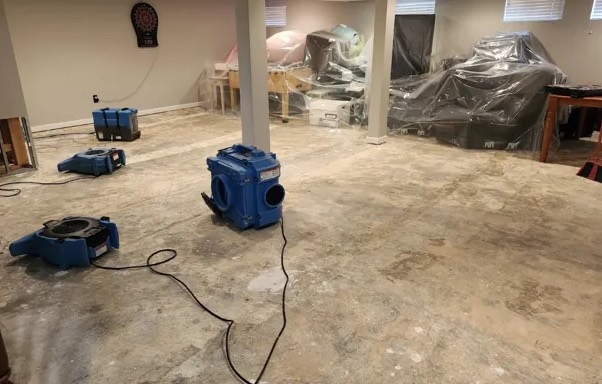
Mold Cleanup After Water Damage in Marietta
Mold needs moisture to grow, so every mold problem in Marietta starts with water: a slow leak, a past flood or damp air that never dries out. Removing the mold without fixing that moisture means it comes back.
In Marietta, Smyrna, Kennesaw and Mableton, local mold remediation pros remove mold after water damage, clean affected framing and dry the area so the problem does not return.
What Mold Remediation Services Cover in Marietta, GA
Bathroom Mold Cleanup
Mold that keeps returning on a bathroom ceiling often means poor ventilation. The pros clean the area and check whether moisture is getting into the drywall.
Post-Flood Mold Remediation
After a flood, mold usually appears on lower walls, baseboards and the back of cabinets. Affected materials are removed and the area is cleaned and dried.
Air Duct Mold Cleaning
Mold in ducts usually starts near the air handler where condensation collects. Affected sections are cleaned or replaced, and the moisture source is identified.
Mold Inspection Services
Inspection comes before removal. The pros look for mold, measure moisture in walls and floors and explain what needs to be removed and what can be cleaned.
Attic Mold Removal
Mold on roof sheathing and rafters usually comes from a roof leak or poor attic ventilation. The pros clean or treat the wood and point out the moisture problem that caused it.
Signs of Mold Damage in Marietta Homes
Condensation on Windows
Heavy condensation that runs down windows and wets the sills can lead to mold on frames, sills and nearby walls.
Stains or Discoloration
Yellow or brown stains on ceilings and walls show where water has been. Mold often grows in the same spot or just behind it.
Damp Basement or Crawl Space
A lower level that always feels damp or smells musty is a common place for mold on walls, joists and stored items.
Visible Mold on Walls or Ceilings
Black, green or gray spots on drywall, ceilings or trim are visible mold. Larger patches usually mean more is hidden behind the surface.
How Mold Remediation Services Work in Marietta
Step 1: Finding the Moisture Source
Mold needs water. The pros find the leak, condensation or seepage behind it so it can be fixed.
Step 2: Setting Up Containment
The work area is sealed off and air scrubbers run so spores do not spread to clean rooms.
Step 3: Black Mold Removal
Affected drywall and trim are cut out and bagged, and the wood behind them is cleaned.
Step 4: Air Filtration and Drying
Air scrubbers clean the air while dehumidifiers dry the framing and remaining materials.
Common Causes of Mold Growth in Marietta
AC Condensation Problems
A clogged condensate drain or a cracked drain pan leaks water near the air handler, and mold grows on nearby drywall and ductwork.
Basement Seepage
Water seeping through foundation cracks keeps basement walls and floors damp, which leads to mold on drywall, framing and stored boxes.
Window and Door Leaks
Failed seals around windows and doors let rain into the wall cavity, where mold grows on framing and the back of the drywall.
High Indoor Humidity
When indoor humidity stays high, moisture collects on cool surfaces like windows, closet walls and corners, and mold follows.
Residential and Commercial Mold Remediation Services in Marietta
Residential Mold Remediation Services
Homeowners get an inspection, containment of the moldy area, removal of damaged drywall or flooring and cleaning of the framing behind it.
Commercial Mold Remediation Services
Commercial buildings get the same process at a larger scale, with containment sized to the space and air filtration to protect nearby areas.
Mold Remediation Services vs. DIY: When to Call Local Pros
Wear gloves and a mask for any small cleanup, and keep the area ventilated. If anyone in the home has asthma or allergies, leave mold removal to local mold remediation pros.
Estimating Mold Cleanup Costs in Marietta
Mold after a flood often costs more to remove because large sections of drywall, flooring and insulation are affected.
Size of the Moldy Area
A small patch in one room takes far less time, containment and disposal than mold spread across several rooms or a whole attic.
Containment Needed
Larger jobs need plastic sheeting, negative air machines and air scrubbers, which add setup time and equipment cost.
Location of the Mold
Mold in attics, crawl spaces and inside walls is harder to reach and usually needs more labor than mold on an open wall.
Does Insurance Cover Mold Remediation Services?
Photos, moisture readings and a written scope from the pros help support a claim when mold follows a covered water loss. Keep copies of everything you send.
Benefits of Local Mold Removal in Marietta
Drying After Removal
Mold returns if the area stays damp. The pros dry the structure and check readings before rebuilding.
HEPA Filtration
Air scrubbers and HEPA vacuums capture spores and dust during removal, which household vacuums cannot do.
Available Any Time
Mold after a leak or flood can be reported at any hour. The pros can be reached day or night at (470) 722-8241.
24/7 Mold Cleanup After Water Damage in Marietta
Musty smell or spreading mold in Marietta? Avoid disturbing it and call (470) 722-8241 day or night for an inspection and removal.
Call Now (470) 722-8241Mold Remediation Services Near Marietta: Areas Served
Help with mold remediation services is also available in communities near Marietta, including Smyrna, Kennesaw and Mableton.
Common Mold Removal Questions Answered
What should I do while I wait for an inspection?
Avoid disturbing the mold, keep the area closed off, stop any active leak if you can and take photos for your records.
Why does bathroom mold keep coming back?
Usually because of poor ventilation or a hidden leak behind tile. Cleaning the surface does not fix either problem.
Can mold grow in air ducts?
Yes, especially near the air handler where condensation collects. A musty smell when the air turns on is a common sign.
How do I know if I have mold?
Visible spots, a musty smell, past water damage and stains on walls or ceilings are the most common signs. An inspection can confirm it.
Why does my basement smell musty?
A musty basement usually has damp walls, high humidity or seepage, and mold may be growing on walls, framing or stored items.