Lithonia, GA · DeKalb County
Rapid Structural Drying in Lithonia, GAConcrete Slab Drying & Structural Dehumidification
Rapid Structural Drying in Lithonia involves services like wall cavity drying, subfloor drying, and crawl space drying from restoration pros.
Answered 24/7
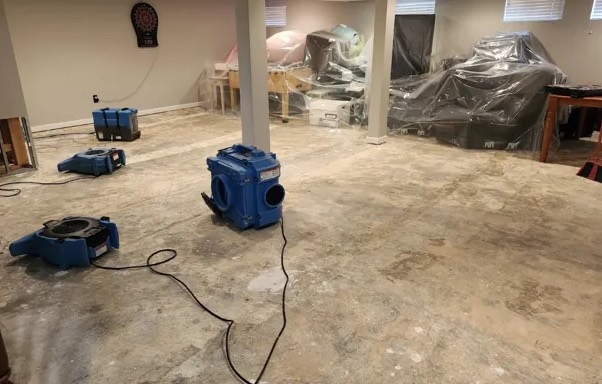
Professional Rapid Structural Drying in Lithonia, GA
Wall cavities act as hidden reservoirs for water after a leak. Insulation and framing inside walls hold moisture long after surface water is gone.
Properties in Lithonia often require rapid structural drying after plumbing failures or weather-related water intrusion. Services extend to nearby places like Conyers, Stone Mountain and Clarkston for comprehensive coverage.
Rapid Structural Drying Services in Lithonia
Concrete Slab Drying
Drying a concrete foundation slab is a slow, methodical task. It requires creating a dry air environment above the slab to encourage moisture evaporation from its surface.
Structural Dehumidification
Dehumidification is the engine that drives the structural drying process. It involves calculating the space's cubic volume and moisture load to select the right capacity equipment.
Subfloor Drying
In many water damage situations, the subfloor is critically affected. Subfloor drying prevents costly replacement by using specialized equipment like LGR dehumidifiers and directed airflow.
Wall Cavity Drying
Moisture locked within a wall demands a focused drying solution. Desiccant dehumidifiers are often used to aggressively pull moisture from the enclosed area.
Flood Drying Services
Major flooding requires comprehensive drying strategies. The process scales up extraction and drying equipment to manage the volume of water involved, focusing on structural integrity first.
When Rapid Structural Drying Is Needed
Musty Odors in Your Home
A musty smell that will not go away usually means moisture is trapped inside walls or under floors.
Squeaking or Soft Floor Areas
Unusual noises or soft spots when walking indicate compromised subflooring from water damage that needs assessment.
Recent Plumbing Leak or Flood
Any recent leak or flood can leave water inside walls and floors even after surfaces look dry.
Mold Growth on Baseboards
Mold appearing along floor edges often points to hidden moisture in wall cavities or subfloors needing extraction.
How Rapid Structural Drying Works in Lithonia
Step 1: Site Evaluation for Hidden Moisture
The service starts with a thorough evaluation using probes and sensors to locate all hidden moisture within wall cavities, subfloors, and concrete slabs.
Step 2: Deployment of Industrial Drying Systems
Commercial dehumidifiers and air movers are set up to pull water out of dense materials like hardwood and framing.
Step 3: Active Wall and Subfloor Drying Cycle
An active drying cycle begins, with equipment running continuously to evaporate and extract moisture, focusing on wall cavity and subfloor drying.
Step 4: Assurance of Complete Moisture Removal
Before concluding, pros verify complete moisture removal with final checks, ensuring the structure is protected from future mold or rot issues.
Common Causes Requiring Rapid Structural Drying in Lithonia
Burst Pipes or Plumbing Failures
A burst pipe can release hundreds of gallons, soaking drywall, subfloors and framing well beyond the room where it broke.
HVAC System Condensation Issues
Clogged drain lines or faulty condensate pumps from air handlers can cause significant water damage inside walls and ceilings.
Appliance Malfunctions and Leaks
Faulty water heaters, washing machines, or dishwashers can leak slowly, causing hidden damage in walls and floors over time.
Poor Ventilation in Enclosed Spaces
Inadequate airflow in crawl spaces or wall cavities traps moisture, promoting rot and mold that experts must address.
Rapid Structural Drying for All Property Types in Lithonia
Residential Rapid Structural Drying
Crawl space drying is critical in homes to stop wood rot and pest infestation. The pros run drying ducts and desiccant dehumidifiers under the house until it reads dry.
Commercial Rapid Structural Drying
Offices get drying plans that run in phases, floor by floor, so wall cavities and ceiling plenums are dried with the least disruption.
When DIY Methods Are Not Enough for Rapid Structural Drying
If safe, you can turn off the water source at the main valve to stop the flow. Move furniture and belongings away from the wet area onto dry surfaces.
Rapid Structural Drying Cost in Lithonia, GA
Pricing for emergency structural drying in Lithonia varies based on the category of water involved and the required drying time. Dehumidification and moisture mapping add to the total.
Affected Structural Materials
Drying dense materials like concrete slabs or enclosed wall cavities demands specialized techniques and longer durations than drying open areas.
Project Duration
The total time needed for complete structural dehumidification and achieving dry standards affects the overall labor and equipment rental period.
Required Drying Equipment
The number and type of industrial air movers, dehumidifiers, and moisture meters deployed for structural moisture removal influence operational costs.
Does Insurance Cover Rapid Structural Drying?
Coverage for rapid structural drying depends on the insurance policy and the cause of loss. The homeowner should submit this documentation to their insurer, as coverage decisions belong solely to the insurer.
Reasons to Trust Moisture Removal Experts with Rapid Structural Drying
Prevention of Mold Growth
Rapid drying helps control humidity levels, creating an environment less conducive to mold development after water intrusion.
Detailed Documentation for Claims
Comprehensive logs of moisture readings and photos are taken to document the damage for insurance purposes.
Focus on Structural Integrity
The process prioritizes drying the building structure itself, including wall cavities and subfloors, to protect its stability.
Emergency Moisture Removal for Lithonia
Don't wait for hidden moisture in crawl spaces or concrete slabs to cause more damage. For emergency structural drying and dehumidification, call (470) 722-8241 at any hour to get started.
Call Now (470) 722-8241Rapid Structural Drying Near Lithonia: Areas Served
Across Lithonia and nearby communities, the pros map moisture and dry structures for homes and businesses in Lithonia, Conyers, Stone Mountain and Clarkston.
- Rapid Structural Drying in Conyers
- Rapid Structural Drying in Stone Mountain
- Rapid Structural Drying in Clarkston
- Rapid Structural Drying in Snellville
- Rapid Structural Drying in Decatur
- Rapid Structural Drying in North Decatur
- Rapid Structural Drying in Stockbridge
- Rapid Structural Drying in Tucker
- Emergency Damage Restoration in 30038
- Storm Damage Restoration in 30038
- Water Damage Restoration in 30038
- Water Extraction Service in 30038
- Water Leak Detection in 30038
- Water Removal Service in 30038
- Emergency Damage Restoration in 30058
- Storm Damage Restoration in 30058
Common Queries About Structural Drying
What is rapid structural drying?
Rapid structural drying is a focused water mitigation process using industrial equipment to quickly remove moisture from building materials like walls, floors, and substructures to prevent further damage.
Is rapid structural drying needed for clean water leaks?
Yes, even clean water from a broken pipe requires rapid structural drying to prevent absorption into porous materials, which can lead to swelling, warping, and potential mold.
How does drying differ for residential structural drying?
Residential structural drying often involves navigating living spaces, personal belongings, and varied construction materials, with a focus on restoring habitability and protecting the home's value.
Why document the process for insurance?
Detailed documentation of moisture readings, photos, and equipment used provides a clear record for your insurance claim, showing the necessity and scope of the rapid structural drying services performed.
What is involved in subfloor drying?
Subfloor drying involves using specialized air movers and dehumidifiers to draw moisture out of the wooden or concrete layer beneath flooring, often requiring access panels or strategic placement of equipment.