Peachtree Corners, GA · Gwinnett County
Rapid Structural Drying in Peachtree Corners, GACrawl Space Drying & Moisture Mapping Services
Rapid Structural Drying in Peachtree Corners includes emergency structural drying, moisture mapping services, and flood drying services.
Answered 24/7
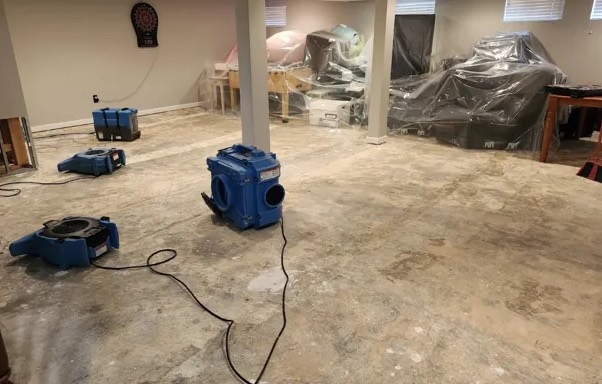
Reliable Rapid Structural Drying Available in Peachtree Corners
Flooding events introduce large volumes of water that soak deep into structural components. Residential structural drying after a flood requires powerful equipment to dry materials from the inside out.
Structural moisture removal in Peachtree Corners addresses both visible and hidden water damage in homes and businesses. Service areas include nearby locations like Norcross, Duluth and Doraville for added convenience.
Rapid Structural Drying Methods and Techniques
Crawl Space Drying
Drying removes pooled water and addresses residual moisture in soil and joists with a system tailored to the space's size and conditions.
Moisture Mapping Services
Effective drying starts with accurate assessment. Moisture mapping services use penetrating and non-penetrating moisture meters to create a detailed picture of affected areas.
Flood Drying Services
Widespread flooding presents a unique drying challenge. Services for this scenario involve creating drying chambers and managing airflows across large spaces.
Concrete Slab Drying
After a major flood, a concrete floor often holds significant moisture. Drying the slab prevents future problems with flooring and humidity.
Wall Cavity Drying
Interior walls can absorb significant moisture from leaks or floods. Wall cavity drying involves accessing the space between studs to direct airflow and desiccant dehumidification.
When to Consider Rapid Structural Drying in Peachtree Corners
Musty Odors in Your Home
A musty smell that will not go away usually means moisture is trapped inside walls or under floors.
Warped or Bubbling Floorboards
Hardwood floors that buckle or cup have taken on moisture from below, usually from a wet subfloor.
Damp Spots on Concrete Floors
Persistent dampness on a concrete slab can leave white mineral deposits and loosen flooring adhesive.
Water Pooling in Crawl Spaces
Standing water under your home puts floor framing at risk and needs pumping and drying.
How Rapid Structural Drying Works in Peachtree Corners
Step 1: Site Evaluation for Hidden Moisture
The service starts with a thorough evaluation using probes and sensors to locate all hidden moisture within wall cavities, subfloors, and concrete slabs.
Step 2: Deployment of Industrial Drying Systems
Commercial dehumidifiers and air movers are set up to pull water out of dense materials like hardwood and framing.
Step 3: Active Wall and Subfloor Drying Cycle
An active drying cycle begins, with equipment running continuously to evaporate and extract moisture, focusing on wall cavity and subfloor drying.
Step 4: Assurance of Complete Moisture Removal
Before concluding, pros verify complete moisture removal with final checks, ensuring the structure is protected from future mold or rot issues.
Common Causes Requiring Rapid Structural Drying in Peachtree Corners
Clogged Gutters and Downspouts
When gutters overflow, water pools against the foundation and can seep into crawl spaces, slabs and lower walls.
Overflowing Sinks or Bathtubs
A bathroom overflow can send water under flooring and into wall cavities, where it stays hidden.
Severe Weather and Flooding
Heavy rainfall or localized flooding can overwhelm drainage, leading to water intrusion.
HVAC System Condensation Issues
Clogged drain lines or faulty condensate pumps from air handlers can cause significant water damage inside walls and ceilings.
Both Home and Business Rapid Structural Drying
Residential Rapid Structural Drying
Homeowners face risks from hidden moisture in attics and crawl spaces. Emergency structural drying services use air scrubbers and focused drying to safeguard indoor air quality and the home's structural integrity from slow leaks.
Commercial Rapid Structural Drying
Warehouses and industrial facilities need large-scale drying for wide concrete floors. Professionals employ drying strategies and moisture mapping to prevent corrosion of inventory and structural components.
Why DIY Rapid Structural Drying Often Fails
You can pull up soaked rugs and padding so the subfloor can start drying. Check other rooms for signs of spreading moisture, such as damp baseboards or swelling trim.
Factors Influencing Rapid Structural Drying Costs
For commercial drying in Peachtree Corners, cost depends on how long the business is interrupted and the size of the drying setup.
Moisture Mapping Scope
Detailed moisture mapping services to track drying progress across a structure require additional time and diagnostic tools from the pros.
Secondary Damage Prevention
Efforts to prevent mold growth during the drying process, such as applying antimicrobials, can be a factor in the service cost.
Extent of Water Damage
The square footage and depth of saturation in materials like drywall and subflooring directly impact the drying time and equipment needed.
Does Insurance Cover Rapid Structural Drying?
Coverage for rapid structural drying depends on the insurance policy and the cause of loss. The homeowner should submit this documentation to their insurer, as coverage decisions belong solely to the insurer.
Reasons to Trust Water Damage Pros with Rapid Structural Drying
Thorough Process Verification
Drying is monitored until moisture levels in materials meet standard dry criteria before equipment is removed.
Detailed Documentation for Claims
Comprehensive logs of moisture readings and photos are taken to document the damage for insurance purposes.
Industrial-Grade Drying Equipment
High-capacity air movers and dehumidifiers dry crawl spaces and concrete slabs, which hold water longest.
24/7 Rapid Structural Drying When You Need It
Water in a business can close rooms or whole floors. Call (470) 722-8241 24/7 to start moisture mapping and drying in Peachtree Corners.
Call Now (470) 722-8241Local Rapid Structural Drying Coverage Area
Structural drying is available for homes across Peachtree Corners, and in nearby places such as Norcross, Duluth and Doraville.
- Rapid Structural Drying in Norcross
- Rapid Structural Drying in Duluth
- Rapid Structural Drying in Doraville
- Rapid Structural Drying in Dunwoody
- Rapid Structural Drying in Chamblee
- Rapid Structural Drying in Alpharetta
- Rapid Structural Drying in Tucker
- Rapid Structural Drying in Roswell
- Emergency Damage Restoration in 30092
- Storm Damage Restoration in 30092
- Water Damage Restoration in 30092
- Water Extraction Service in 30092
- Water Leak Detection in 30092
- Water Removal Service in 30092
Your Rapid Structural Drying Questions Answered
How long does concrete slab drying typically take?
Concrete slab drying time varies with thickness and saturation but often takes several days, as dense concrete releases moisture slowly, requiring sustained use of industrial dehumidifiers and air circulation.
When is crawl space drying necessary?
Crawl space drying is necessary when flooding or high humidity saturates this enclosed area, as trapped moisture can damage foundation piers, joists, and lead to mold growth throughout the home.
What equipment is used for water mitigation drying?
Water mitigation drying utilizes industrial air movers for evaporation, high-capacity dehumidifiers to remove vapor, and moisture meters to monitor progress throughout the structural drying process.
What are moisture mapping services?
Moisture mapping services involve using meters and sensors to create a visual record of moisture levels throughout a structure, guiding the drying process and verifying when materials are dry.
How do pros know when structural drying is complete?
Local water damage pros use moisture meters to compare readings in affected materials to known dry standards in unaffected areas, ensuring moisture levels are acceptable before concluding the job.