Powder Springs, GA · Cobb County
Rapid Structural Drying in Powder Springs, GAConcrete Slab Drying & Flood Drying Services
Rapid Structural Drying in Powder Springs involves emergency structural drying, wall cavity drying, and flood drying services from restoration pros.
Answered 24/7
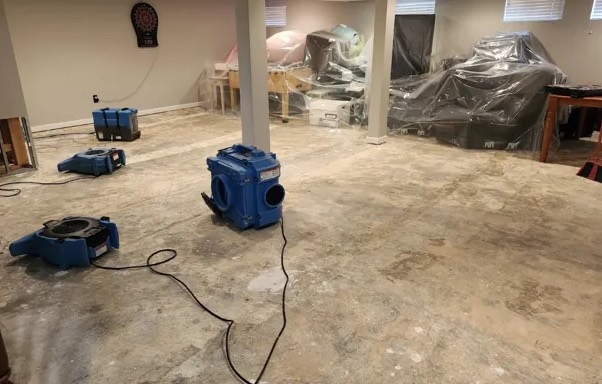
Expert Rapid Structural Drying for Powder Springs Properties
Concrete slabs, subfloors and wall studs all absorb moisture at different rates. Incomplete drying leaves residual dampness that weakens structures over time.
Fast structural drying is essential for homes throughout Powder Springs. Local structural drying pros provide subfloor drying and crawl space drying to protect foundational elements. Services reach neighboring areas including Austell, Hiram and Mableton for broader support.
Advanced Rapid Structural Drying Processes
Concrete Slab Drying
Water under or within a concrete slab can wick upward for weeks. Moisture meters track the slab's drying progress daily.
Flood Drying Services
Floodwaters affect every porous material they touch. The operation runs 24/7 until the environment is controlled.
Subfloor Drying
Water seeping under flooring requires immediate attention. High-capacity dehumidifiers then capture the water vapor to protect the subfloor's strength.
Emergency Structural Drying
A sudden water event requires a drying protocol. High-capacity dehumidifiers then work to pull moisture from the air and structural components, starting the recovery process.
Structural Dehumidification
After water extraction, dehumidification tackles the remaining vapor. Structural dehumidification creates a drying gradient, pulling moisture from wet materials into the drier air.
Indications for Rapid Structural Drying
Soggy or Spongy Drywall
Drywall that feels soft to the touch has absorbed a lot of water and needs drying right away.
Musty Odors in Your Home
A musty smell that will not go away usually means moisture is trapped inside walls or under floors.
Damp Spots on Concrete Floors
Persistent dampness on a concrete slab can leave white mineral deposits and loosen flooring adhesive.
Mold Growth on Baseboards
Mold appearing along floor edges often points to hidden moisture in wall cavities or subfloors needing extraction.
How Rapid Structural Drying Works in Powder Springs
Step 1: Water Extraction and Containment
The process begins with extracting any standing water, then containing the affected area to prevent moisture migration to dry parts of the building.
Step 2: Professional Drying Equipment Deployment
Powerful desiccant and refrigerant dehumidifiers are deployed alongside air movers to aggressively remove moisture from the air and building materials.
Step 3: Focused Crawl Space and Slab Drying
Hard areas get specific methods, such as ducted air for crawl spaces and floor mats for concrete slabs.
Step 4: Final Moisture Validation and Documentation
Final moisture readings are taken and documented with photos and reports for your insurer, confirming the structure is dry and stable.
Events That Lead to Rapid Structural Drying
Overflowing Sinks or Bathtubs
A bathroom overflow can send water under flooring and into wall cavities, where it stays hidden.
Foundation Cracks and Water Seepage
Cracks in a foundation or basement wall permit groundwater intrusion, which can saturate concrete slabs and framing.
Landscaping or Grading Problems
Improper yard slope can direct water toward a foundation, leading to persistent dampness in slabs and crawl spaces.
Clogged Gutters and Downspouts
When gutters overflow, water pools against the foundation and can seep into crawl spaces, slabs and lower walls.
Property Types Requiring Rapid Structural Drying in Powder Springs
Residential Rapid Structural Drying
Crawl space drying is critical in homes to stop wood rot and pest infestation. The pros run drying ducts and desiccant dehumidifiers under the house until it reads dry.
Commercial Rapid Structural Drying
Offices get drying plans that run in phases, floor by floor, so wall cavities and ceiling plenums are dried with the least disruption.
When DIY Methods Are Not Enough for Rapid Structural Drying
Watch the indoor humidity with a hygrometer if you have one. Running your air conditioner can lower humidity for a while, but it will not dry wet walls or subfloors.
Rapid Structural Drying Cost in Powder Springs, GA
Pricing for emergency structural drying in Powder Springs varies based on the category of water involved and the required drying time. Dehumidification and moisture mapping add to the total.
Affected Structural Materials
Drying dense materials like concrete slabs or enclosed wall cavities demands specialized techniques and longer durations than drying open areas.
Access and Complexity
Difficult-to-reach areas like tight crawl spaces or behind finished walls add labor time to the emergency structural drying process.
Required Drying Equipment
The number and type of industrial air movers, dehumidifiers, and moisture meters deployed for structural moisture removal influence operational costs.
Does Insurance Cover Rapid Structural Drying?
Whether residential structural drying is covered depends on your insurer's interpretation of the cause. You are responsible for filing the claim and discussing coverage specifics with your insurance agent.
The Importance of Expert Rapid Structural Drying
Prevention of Mold Growth
Rapid drying helps control humidity levels, creating an environment less conducive to mold development after water intrusion.
Advanced Moisture Detection
Tools like thermal imagers and moisture meters are used for accurate moisture mapping to find hidden water.
Water Mitigation Drying Expertise
The approach is part of a complete water mitigation process to stabilize the property quickly.
Emergency Structural Drying Response
Need fast structural drying services following a major leak? Contact (470) 722-8241 for 24/7 emergency assistance from the pros in your area.
Call Now (470) 722-8241Local Rapid Structural Drying Coverage Area
Effective rapid structural drying protects the integrity of buildings in Powder Springs. The pros provide specialized drying for affected areas, offering services to Powder Springs and surrounding communities including Austell, Hiram and Mableton.
- Rapid Structural Drying in Austell
- Rapid Structural Drying in Hiram
- Rapid Structural Drying in Mableton
- Rapid Structural Drying in Douglasville
- Rapid Structural Drying in Smyrna
- Rapid Structural Drying in Kennesaw
- Rapid Structural Drying in Dallas
- Rapid Structural Drying in Acworth
- Emergency Damage Restoration in 30127
- Storm Damage Restoration in 30127
- Water Damage Restoration in 30127
- Water Extraction Service in 30127
- Water Leak Detection in 30127
- Water Removal Service in 30127
Your Rapid Structural Drying Questions Answered
What is rapid structural drying?
Rapid structural drying is a focused water mitigation process using industrial equipment to quickly remove moisture from building materials like walls, floors, and substructures to prevent further damage.
How does drying differ for residential structural drying?
Residential structural drying often involves navigating living spaces, personal belongings, and varied construction materials, with a focus on restoring habitability and protecting the home's value.
Is rapid structural drying needed for clean water leaks?
Yes, even clean water from a broken pipe requires rapid structural drying to prevent absorption into porous materials, which can lead to swelling, warping, and potential mold.
What happens if wall cavity drying is delayed?
Delayed wall cavity drying allows moisture to promote mold growth inside walls, degrade insulation, and potentially weaken drywall or wooden studs, leading to more extensive and invasive repairs.
What areas of a home need structural moisture removal?
Structural moisture removal often targets concealed areas like behind walls, under floors, within ceiling cavities, and in support beams where water can linger and cause hidden damage.