Conyers, GA · Rockdale County
Septic Tank Backup Water Removal in Conyers, GASeptic Tank Drain Backup Cleanup, Emergency Septic Backup Response & Septic Backup Sewage Cleanup
Septic Tank Backup Water Removal in Conyers includes septic tank backup water removal, septic backup sewage cleanup, and septic system water damage repair to protect properties.
Answered 24/7
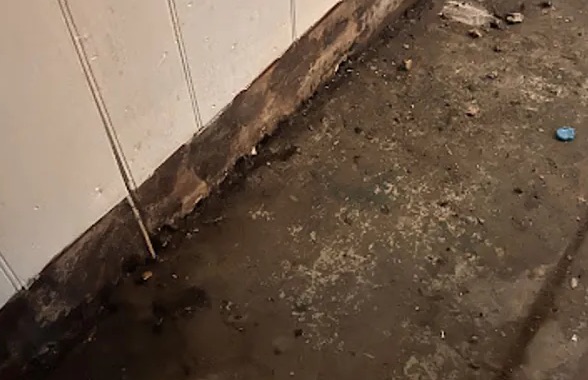
Professional Septic Tank Backup Water Removal in Conyers, GA
Residential septic backup cleanup in Conyers requires swift action to minimize disruption and health exposure. The backup water can carry solids and bacteria that stain surfaces and create foul smells. Delaying professional septic tank backup water removal risks more costly repairs and prolonged unsanitary conditions.
The septic backup water extraction experts handle emergency septic backup response by quickly containing the spill area. They perform septic tank water extraction, followed by cleaning and disinfecting all contaminated surfaces. Throughout, they take photographs and record moisture data, which you can submit to your insurance company.
Residential septic backup cleanup needs in Conyers can arise unexpectedly, causing distress and property damage. The septic backup water extraction experts operating here understand the urgency and provide emergency septic backup response around the clock. They handle everything from septic tank drain backup cleanup to odor removal, serving not just Conyers but also nearby areas for comprehensive support.
Key Septic Tank Backup Water Removal Procedures in Conyers
Septic Tank Drain Backup Cleanup
Cleanup for a septic tank drain backup in Conyers involves clearing blockages and removing all contaminated water from the plumbing system. Local cleanup specialists then sanitize the drain lines and fixtures.
Emergency Septic Backup Response
For a septic backup emergency, local restoration pros respond quickly to start the extraction and cleanup process. A prompt response can help manage the overall scope and complexity of the restoration project.
Septic Backup Sewage Cleanup
Sewage cleanup after a septic backup in Conyers requires the safe removal of all contaminated water and solid waste. Local water damage pros then apply EPA-registered disinfectants to sanitize the area thoroughly.
Septic Tank Backup Water Extraction
Industrial vacuums are deployed by local water extraction experts to handle the contaminated water from a septic tank failure. Prompt removal is the critical first step in the restoration protocol.
Septic Backup Odor Removal
Odor removal after a septic backup in Conyers targets the source of the smell within porous materials and the air. Local water damage pros use advanced oxidation and sealing techniques to eliminate it.
Septic Overflow Decontamination
The decontamination process applies specialized agents to kill bacteria and viruses left by the sewage spill. Local septic backup water extraction experts use IICRC-standard methods to treat every affected area comprehensively.
Septic Backup Flood Water Removal
The first priority is removing standing water from a septic system failure. In Conyers, extraction experts handle sewage-contaminated fluids. Fast removal limits damage to flooring, drywall, and belongings.
Signs of Septic Tank Trouble in Conyers
Unexplained Increase in Water Bill
A sudden spike in water usage, without a clear cause, can signal a hidden leak or constant running due to a septic tank water damage issue.
Water Backs Up in Lowest Fixtures
Sewage or water appearing in a basement shower or floor drain is a classic sign of septic tank backup water removal being urgently needed.
Overflow From Septic Tank Lid Area
Visible effluent or wet soil around the septic tank access lid is a clear sign the tank is full and septic system water removal is required.
Sewage Backup in Toilets or Drains
Slow drainage or gurgling sounds from fixtures often indicate a septic tank backup. Wastewater may rise in toilets, sinks, or floor drains during use.
Toilets Flush Slowly or Not at All
Weak flushing action or water rising to the rim indicates a severe septic line backup. This is a common trigger for emergency septic backup response.
Sewage Visible in Cleanout Pipe
If you check the main sewer cleanout and find standing wastewater, your septic system overflow water removal must be addressed immediately by local septic backup water extraction experts.
How Septic Tank Backup Water Removal Works in Conyers
Step 1: Septic Backup Inspection
Septic tank backup water removal begins with a detailed inspection of the septic tank backup cleanup area to plan sewage backup removal strategies.
Step 2: Flood Water Extraction
Heavy-duty extractors handle septic system overflow water removal, pulling water from septic tank drain backup situations to halt additional septic water damage.
Step 3: Decontamination and Odor Control
Septic overflow decontamination and septic backup odor removal processes cleanse the space, addressing health concerns from residential septic backup cleanup needs.
Step 4: Structural Drying and Restoration
Final steps involve drying affected materials and performing septic system water damage repair to complete the septic tank backup water removal service.
Common Causes of Septic Backups in Conyers
Excessive Water Usage Overloading System
Too much water entering the tank too quickly overwhelms its capacity. This surge can trigger a septic tank flooding incident requiring immediate response.
Root Infiltration Into Sewer Lines
Tree roots seeking moisture can crack and block pipes, creating a severe septic line backup water removal situation that worsens over time.
Flushing Non-Biodegradable Items
Wipes, hygiene products, and grease solidify in pipes, causing stubborn clogs that lead to septic backup sewage cleanup emergencies inside your home.
Clogged Inlet or Outlet Baffles
Blockages at the tank's entry or exit points prevent proper flow. This disruption is a frequent reason for septic tank water extraction calls.
Damaged or Collapsed Drain Field
When the soil absorption area fails, water has nowhere to go. This leads to septic system overflow water removal becoming a recurring problem.
Septic Tank Backup Water Removal for Any Property in Conyers
Residential Septic Tank Backup Water Removal
The septic backup odor removal process in homes is critical for restoring livability. Specialists use hydroxyl generators, ozone machines, and sealing primers to neutralize persistent sewage smells embedded in building materials after the initial water removal.
Commercial Septic Tank Backup Water Removal
For hotels or rental properties, a septic backup threatens reputation and revenue. Septic system water damage repair professionals work swiftly to rectify the plumbing issue and restore guest rooms or common areas with minimal downtime and thorough sanitization.
Why Septic Tank Backup Water Removal Requires Professional Septic Backup Water Extraction Experts
You can safely identify and note the location of wet spots in your yard for the professionals. Avoid driving or walking over the suspected drain field area. Do not pump the septic tank yourself during a backup event, as it may cause structural collapse. Septic backup odor removal and full system restoration are complex tasks for specialists.
Understanding Septic Tank Backup Water Removal Expenses in Georgia
Factors like the volume of septic tank water extraction needed and whether septic line backup water removal is required will determine your cost. Residential septic backup cleanup in smaller homes may be less intensive.
Damage Documentation
Detailed septic water damage documentation for insurance purposes involves time for photos, moisture mapping, and report preparation by the septic backup water extraction experts.
Affected Materials
Porous materials like drywall or flooring that absorb septic water may require removal and disposal, adding to the project's scope and expense.
Emergency Response Timing
A septic backup emergency service call during nights, weekends, or holidays may involve different service rates due to the immediate mobilization required.
Odor Removal Needs
Persistent septic backup odors often need advanced air scrubbing and sealing techniques, which require additional equipment and time to address effectively.
Does Insurance Cover Septic Tank Backup Water Removal?
Coverage for residential septic backup cleanup hinges on the source of the problem. Policies often exclude damage from gradual neglect or lack of maintenance, focusing on sudden and direct causes.
Benefits of Local Septic Backup Water Extraction Experts for Septic Tank Backup Water Removal
Methodical Drying Process
After extraction, industrial air movers and dehumidifiers ensure the area is dried to prevent secondary mold damage.
Detailed Damage Documentation
Photos, moisture readings, and detailed notes are compiled for your septic water damage documentation to support insurance communications.
Effective Odor Elimination
Specialized foggers and air scrubbers tackle septic backup odor removal at the source, not just masking unpleasant smells.
IICRC-Standard Decontamination
Septic overflow decontamination follows industry protocols to neutralize harmful pathogens and bacteria, making the affected area safe again.
System Damage Assessment
Local water removal pros inspect for hidden septic system water damage repair needs behind walls or under floors.
Immediate Emergency Septic Tank Backup Water Removal for Conyers
When you need septic backup sewage cleanup now, fast action is critical. Reach local water damage experts for emergency septic tank overflow cleanup by calling the direct line at (470) 722-8241 right away.
Call Now (470) 722-8241Septic Tank Backup Water Removal Near Conyers: Areas Served
Residential septic backup cleanup is a needed service throughout Rockdale County. From Conyers to areas like Lithonia, Covington and Stone Mountain, local septic backup water extraction experts are called upon for septic line backup water removal and decontamination.
- Septic Tank Backup Water Removal in Lithonia
- Septic Tank Backup Water Removal in Covington
- Septic Tank Backup Water Removal in Stone Mountain
- Septic Tank Backup Water Removal in Snellville
- Septic Tank Backup Water Removal in Loganville
- Septic Tank Backup Water Removal in Stockbridge
- Septic Tank Backup Water Removal in McDonough
- Septic Tank Backup Water Removal in Grayson
- Emergency Damage Restoration in 30012
- Storm Damage Restoration in 30012
- Water Damage Restoration in 30012
- Water Extraction Service in 30012
- Water Leak Detection in 30012
- Water Removal Service in 30012
- Emergency Damage Restoration in 30013
- Storm Damage Restoration in 30013
Septic Tank Backup Water Removal FAQ for Conyers
What does septic overflow decontamination involve?
The process uses EPA-registered disinfectants and antimicrobial cleaners on all affected surfaces to kill bacteria and viruses, ensuring the area is sanitized and safe for reoccupation after the cleanup.
Is septic backup odor removal always necessary?
Almost always. Persistent odors indicate lingering contamination or moisture. Odor removal uses specialized equipment like hydroxyl generators or ozone machines to eliminate smells at their source.
Is residential septic backup cleanup a DIY job?
No. Sewage exposure is a serious biohazard risk. Professional septic backup cleanup specialists have the training, equipment, and protective gear to handle contamination safely and effectively.
How does septic system water removal prevent mold?
Rapid removal of moisture through extraction and aggressive drying with industrial equipment removes the water mold needs to grow, a critical step after any septic tank overflow cleanup.
What areas need septic line backup water removal?
Any area where sewage has surfaced, typically bathrooms, basements, or utility rooms where drain lines are located, requiring immediate attention from water removal pros.
What happens during septic tank water extraction?
Powerful submersible pumps and truck-mounted extractors are used to remove the bulk of the contaminated liquid from the property, which is the first critical step in the restoration process.
What equipment is used for septic backup odor removal?
Air scrubbers with HEPA filters, ozone generators, thermal foggers, or hydroxyl machines are employed to neutralize odor-causing compounds in the air and within porous materials.