
Septic Tank Backup Water Removal in Dallas, GA
Trusted by 165+ Homeowners
- Over 166 5-Star Reviews
- Free Estimates and Quotes
- 100% Satisfaction Guaranteed
- Child, Family & Pet Safe Steps
- 24-Hour Emergency Service
- Fully Licensed & Insured
- Call
- We arrive
- Restored
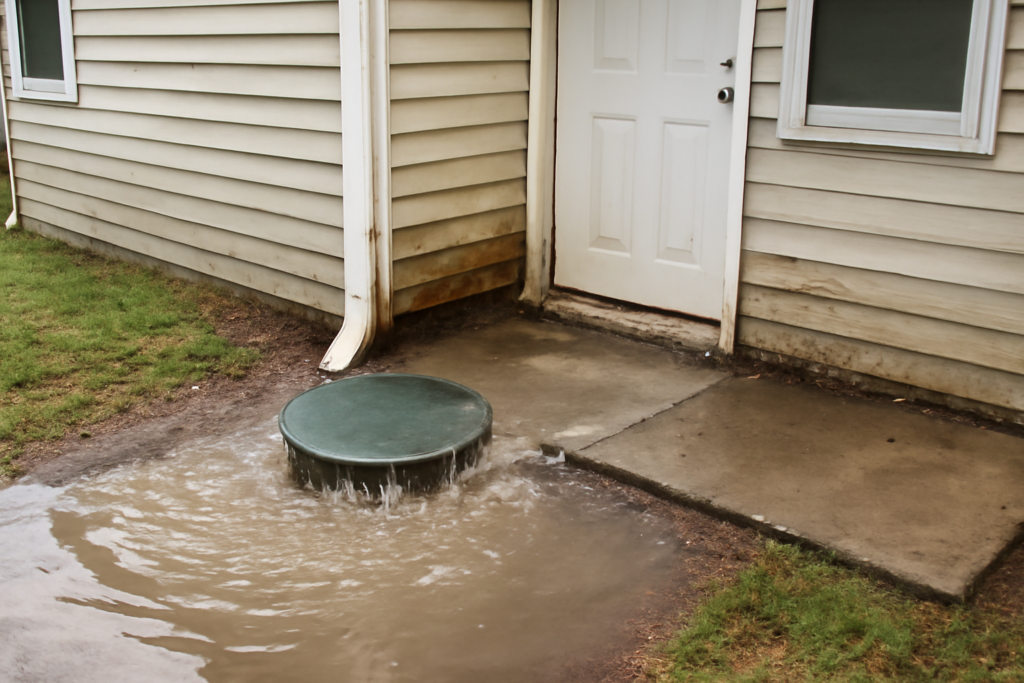
Septic Tank Backup Water Removal in Dallas, GA: A Seasonal Risk You Can’t Afford to Ignore
In Dallas, GA, where summers are hot and humid, the risk of septic tank backup water removal increases a lot. Heavy rainfall, flooding, and water table fluctuations can cause your septic system to fail, leaving you with a messy and potentially hazardous situation. That’s why it’s crucial to be aware of the warning signs and take proactive measures to prevent this disaster from occurring in the first place. You can’t afford to ignore the risks associated with septic tank backup water removal, especially with protecting your property and the health of your family.
Our team has helped countless homeowners in the area recover from septic tank backup water removal, and we’ve seen firsthand the devastating impact it can have on a home. With over 165+ five-star reviews, we’re the go-to experts for septic tank backup water removal in Dallas, GA. Our technicians are IICRC-certified and equipped with the latest equipment to ensure a safe and efficient cleanup process.
- Prevent costly repairs by identifying and addressing potential issues before they become major problems.
- Reduce the risk of health hazards associated with contaminated water and mold growth.
- Reduce damage to your property and avoid costly replacements.
How Our Septic Tank Backup Water Removal Process Actually Works
Our septic tank backup water removal process is designed to be thorough, efficient, and safe. We understand that every situation is unique, and that’s why we take the time to assess the extent of the damage and develop a customized plan to get your property back to normal. Our technicians are trained to handle even the most complex situations, and we use only the latest equipment to ensure a quick and effective cleanup.
Step 1: Assessment and Containment
Our team will arrive on-site to assess the situation and contain the affected area to prevent further damage. We’ll use specialized equipment to pump out the contaminated water and begin the drying process. You can expect our technicians to be on-site within 60 minutes of your call.
Step 2: Water Extraction and Drying
Using industrial-grade pumps and equipment, we’ll extract as much water as possible from the affected area. We’ll then use specialized drying equipment to speed up the evaporation process and prevent further damage. This step typically takes 3-5 days to complete, depending on the severity of the damage.
Step 3: Cleaning and Disinfection
Once the water has been removed and the area is dry, our technicians will begin the cleaning and disinfection process. We’ll use specialized cleaning solutions and equipment to remove any remaining contaminants and prevent mold growth. This step is crucial in preventing health hazards and ensuring a safe living environment.
Step 4: Restoration and Repairs
Finally, our team will work with you to restore your property to its original condition. This may include repairs to damaged walls, floors, and ceilings, as well as replacing any affected materials. We’ll work with you to ensure that your property is safe and functional once again.
Don’t wait until it’s too late to address the risks associated with septic tank backup water removal. Our team is here to help you every step of the way. Contact us today to schedule a free consultation and take the first step towards protecting your property and your family’s health.
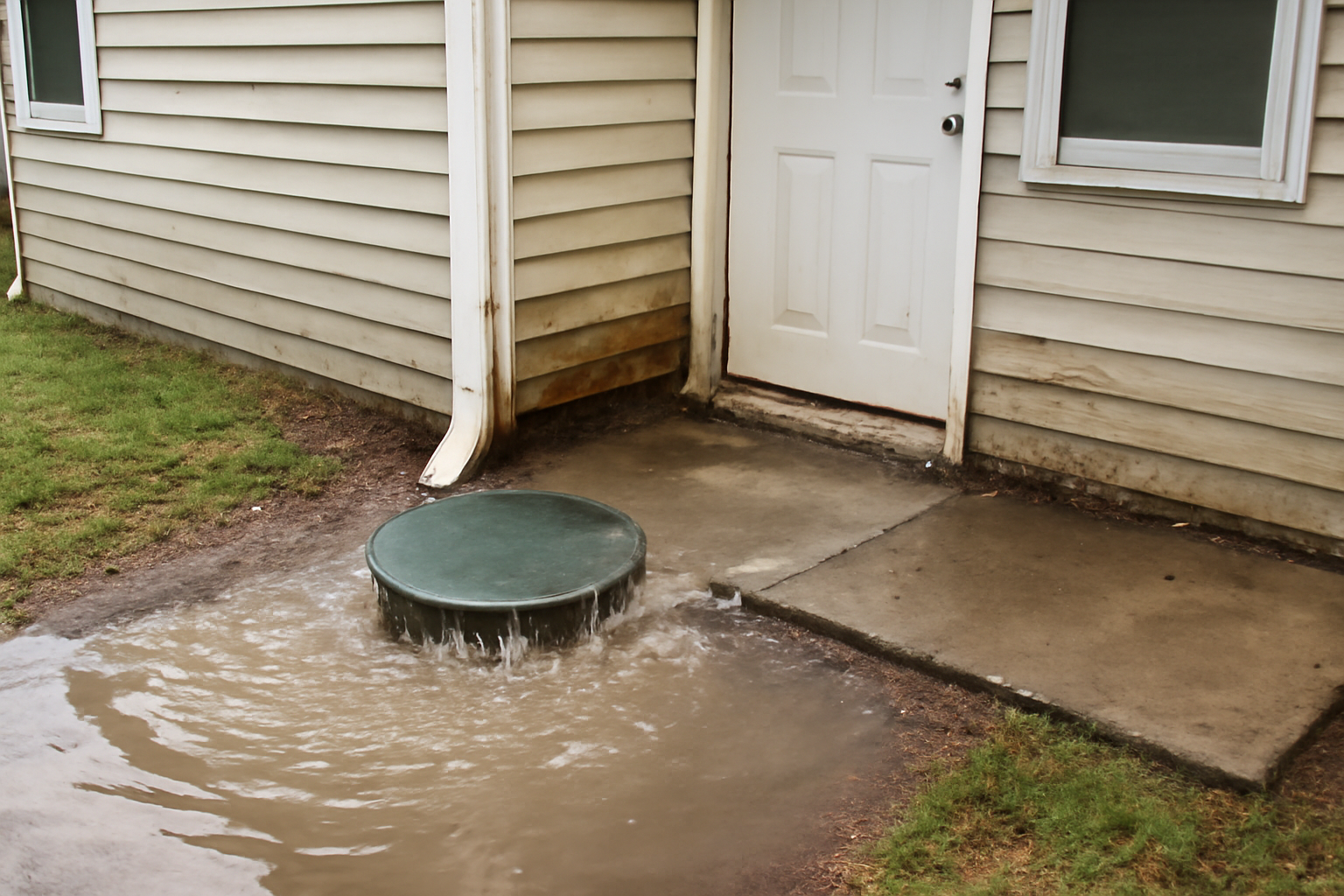
Warning Signs You Need Septic Tank Backup Water Removal
Catching the warning signs early is crucial in preventing costly repairs and health hazards. Here are some common signs that you may need septic tank backup water removal:
Musty Odors That Won’t Go Away
Strong, persistent odors in your home or yard may show a septic system failure. Don’t ignore these smells, as they can be a sign of a larger problem.
Slow Drains and Clogged Toilets
Slow drains and clogged toilets can be a sign of a clogged septic system. If you’re experiencing these issues, it’s essential to address them quickly to prevent further damage.
Water Damage and Standing Water
Water damage and standing water can be a sign of a septic system failure. Don’t wait until it’s too late to address these issues, as they can lead to costly repairs and health hazards.
Unexplained Puddles and Leaks
Unexplained puddles and leaks around your property may show a septic system failure. Don’t ignore these signs, as they can be a sign of a larger problem.
Greenish or Blackish Water
Greenish or blackish water in your drains or toilets can be a sign of a septic system failure. Don’t ignore these signs, as they can be a sign of a larger problem.
Unpleasant Sounds and Vibrations
Unpleasant sounds and vibrations in your home or yard may show a septic system failure. Don’t ignore these signs, as they can be a sign of a larger problem.
Septic Tank Backup Water Removal vs. DIY: When To Call a Professional
| Situation | DIY? | Call a Pro? | Why |
|---|---|---|---|
| Small water leak or puddle | Yes | No | Easy to clean up and repair yourself. |
| Large water damage or flooding | No | Yes | Needs specialized equipment and expertise to prevent further damage. |
| Musty odors or slow drains | No | Yes | May show a septic system failure that needs professional attention. |
| Water damage to walls or ceilings | No | Yes | Needs specialized drying equipment and expertise to prevent further damage. |
| Contaminated water or mold growth | No | Yes | Presents health hazards and needs professional attention to remove and prevent further growth. |
| Unexplained puddles or leaks | No | Yes | May show a septic system failure that needs professional attention. |
Don’t risk your property and your family’s health by trying to handle septic tank backup water removal on your own. Our team is here to help you every step of the way. Contact us today to schedule a free consultation and take the first step towards protecting your property and your family’s health.
Septic Tank Backup Water Removal Cost In Dallas, GA
The cost of septic tank backup water removal in Dallas, GA can vary depending on the severity of the damage, the size of the affected area, and local conditions. Our team will work with you to develop a customized plan and provide a free estimate for the work. Here are some typical price ranges for septic tank backup water removal:
| Service | Typical Price Range | What Affects Cost |
|---|---|---|
| Water extraction and drying | $500 – $2,500 | Severity of damage and size of affected area. |
| Cleaning and disinfection | $1,000 – $5,000 | Size of affected area and level of contamination. |
| Restoration and repairs | $2,000 – $10,000 | Scope of repairs and materials needed. |
| Specialized equipment and labor | $1,000 – $5,000 | Severity of damage and complexity of job. |
| Emergency response and assessment | $500 – $2,000 | Severity of damage and urgency of situation. |
| Free estimate and consultation | Free | Initial consultation and assessment. |
Exact pricing will depend on an on-site assessment and the specific needs of your property. Our team will work with you to develop a customized plan and provide a free estimate for the work. Contact us today to schedule a consultation and take the first step towards protecting your property and your family’s health.
Service Areas Near Dallas, GA
We serve the following nearby communities: Acworth, Austell, Canton, Cartersville, Dallas, Hiram, Kennesaw, Marietta, Powder Springs, Smyrna, Temple, Villa Rica, Woodstock.
Common Questions About Septic Tank Backup Water Removal
Q: What causes septic tank backup water removal?
A: Septic tank backup water removal is typically caused by a combination of factors, including heavy rainfall, flooding, and water table fluctuations. Our team can help you identify the underlying cause of the problem and develop a customized plan to prevent it from happening again.
Q: How long does septic tank backup water removal take?
A: The length of time it takes to complete septic tank backup water removal can vary depending on the severity of the damage and the size of the affected area. Our team will work with you to develop a customized plan and provide a free estimate for the work.
Q: Is septic tank backup water removal covered by insurance?
A: In some cases, septic tank backup water removal may be covered by insurance. Our team will work with you to find out the extent of coverage and help you navigate the claims process.
Q: How do I prevent septic tank backup water removal?
A: Preventing septic tank backup water removal needs regular maintenance and inspections. Our team can help you develop a customized plan to prevent this disaster from occurring in the first place.
Q: What are the health risks associated with septic tank backup water removal?
A: Septic tank backup water removal can pose serious health risks, including contamination and mold growth. Our team will work with you to develop a customized plan to prevent these risks and ensure a safe living environment.
Check Our Other Relevant Services
Serving Dallas, GA And Nearby Areas


