East Point, GA · Fulton County
Septic Tank Backup Water Removal in East Point, GASeptic Tank Drain Backup Cleanup, Septic Backup Sewage Cleanup & Emergency Septic Backup Response
In East Point, septic tank backup water removal involves septic backup odor removal, septic tank drain backup cleanup, and septic backup flood water removal to address contamination and water damage.
Answered 24/7
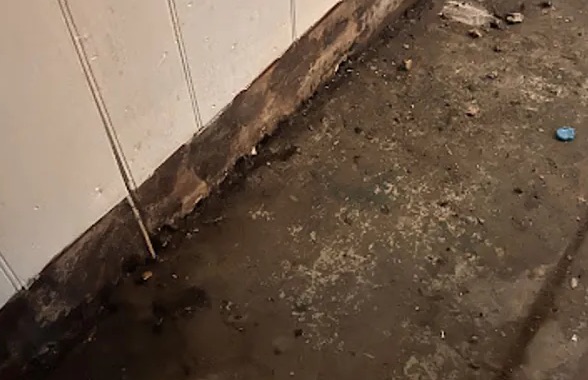
Septic Tank Backup Water Removal Specialists Serving East Point
Septic line backup water removal in East Point is crucial because the backup source might be deep in the system, requiring expertise to diagnose and address. Incorrect cleanup can lead to repeat overflows and further property damage. Engaging specialists ensures the extraction is complete and the underlying issue is identified for repair.
The local water damage pros follow a protocol for septic system water removal that prioritizes safety and thoroughness. After extracting the sewage, they clean and deodorize the area, then set up drying equipment. They compile detailed notes and imagery to assist you in your insurance claim process.
Septic tank water damage in East Point can be extensive, affecting multiple rooms and building materials. Local septic backup water extraction experts focus on complete septic system water removal and decontamination to halt further deterioration. Serving East Point and the region, these specialists also provide septic water damage documentation.
Key Septic Tank Backup Water Removal Procedures in East Point
Septic Tank Drain Backup Cleanup
The drain backup cleanup process includes extracting sewage water, flushing the affected pipes, and disinfecting all plumbing fixtures. Local water damage pros ensure the system is clean and functional.
Septic Backup Sewage Cleanup
This cleanup process by septic backup water extraction experts addresses the biohazardous materials present, helping ensure all affected surfaces are treated to eliminate health risks. Proper disposal of contaminated items is a standard part of the service.
Emergency Septic Backup Response
The fast emergency response from septic backup water extraction experts aims to contain the health hazard and limit secondary damage like mold growth. Initial actions focus on securing the area and removing the sewage water.
Septic Tank Backup Water Extraction
Thorough septic backup water extraction is a priority for septic backup water extraction experts in East Point to protect your home's foundation and air quality. The process targets all standing water before advanced drying begins.
Septic Backup Odor Removal
Local restoration pros tackle septic backup odors by treating affected structural materials and deodorizing the air. Effective odor removal is a key final step before reconstruction can be considered complete.
Septic Overflow Decontamination
The decontamination process applies specialized agents to kill bacteria and viruses left by the sewage spill. Local septic backup water extraction experts use IICRC-standard methods to treat every affected area comprehensively.
Septic Backup Flood Water Removal
Local septic backup water extraction experts in East Point extract all contaminated liquid using high-volume pumps and vacuums. This rapid response helps contain the damage. It is essential before drying or sanitizing procedures can begin.
Signs of Septic Tank Trouble in East Point
Overflow From Septic Tank Lid Area
Visible effluent or wet soil around the septic tank access lid is a clear sign the tank is full and septic system water removal is required.
Gurgling Sounds From Plumbing Vents
Bubbling or gurgling noises from roof vents or inside drains often precede visible septic tank flooding. Air is trapped by a blockage in the line.
Sewage Backup in Bathtub or Shower
Wastewater surfacing in tubs or showers, particularly on lower floors, is a dire warning of a main line septic backup cleanup emergency.
Toilets Flush Slowly or Not at All
Weak flushing action or water rising to the rim indicates a severe septic line backup. This is a common trigger for emergency septic backup response.
Foul Odors Near the Drain Field
Persistent sewage smells around your yard or near plumbing fixtures signal a potential septic system overflow. These odors often worsen after water use.
Sewage Visible in Cleanout Pipe
If you check the main sewer cleanout and find standing wastewater, your septic system overflow water removal must be addressed immediately by local septic backup water extraction experts.
How Septic Tank Backup Water Removal Works in East Point
Step 1: Rapid Septic Backup Response
Upon contact, local septic backup water extraction experts typically begin with an emergency septic backup response and an initial septic tank backup cleanup assessment.
Step 2: Contaminated Water Removal
Specialized extraction equipment performs septic tank water extraction and septic line backup water removal, quickly reducing septic system water damage risks.
Step 3: Sewage Cleanup and Sanitizing
Septic backup sewage cleanup procedures include disinfecting surfaces and septic backup odor removal to ensure a hygienic environment after septic tank flooding.
Step 4: Damage Documentation and Repair
Septic water damage documentation supports your insurance claim while septic system water damage repair restores your property from septic tank overflow cleanup impacts.
Common Causes of Septic Backups in East Point
Old Age and General System Deterioration
All septic components degrade. Corroded pipes, cracked tanks, and failed seals eventually lead to residential septic backup cleanup scenarios.
Compacted Soil Over the Drain Field
Heavy vehicles or structures parked above the leach field prevent proper drainage. This compaction causes backups, needing septic overflow decontamination.
Flushing Non-Biodegradable Items
Wipes, hygiene products, and grease solidify in pipes, causing stubborn clogs that lead to septic backup sewage cleanup emergencies inside your home.
Full or Failing Septic Tank
A tank at capacity cannot accept new wastewater, causing immediate backups into your home. Regular pumping prevents this common septic tank backup cause.
Broken or Misaligned Sewer Pipes
Settling soil, age, or pressure can fracture the main line from your house to the tank. This break requires septic system water damage repair.
Septic Tank Backup Water Removal for Homes and Businesses in East Point
Residential Septic Tank Backup Water Removal
The septic backup odor removal process in homes is critical for restoring livability. Specialists use hydroxyl generators, ozone machines, and sealing primers to neutralize persistent sewage smells embedded in building materials after the initial water removal.
Commercial Septic Tank Backup Water Removal
For hotels or rental properties, a septic backup threatens reputation and revenue. Septic system water damage repair professionals work swiftly to rectify the plumbing issue and restore guest rooms or common areas with minimal downtime and thorough sanitization.
Why Septic Tank Backup Water Removal Requires Professional Septic Backup Water Extraction Experts
If you suspect a minor slow drain, you can try a plunger on a single fixture. Avoid chemical drain cleaners, as they can damage pipes and septic tank bacteria. For any multi-fixture backup, foul odor, or visible sewage, stop all water use and contact local septic backup water extraction experts for septic tank backup water removal immediately. DIY attempts on major backups risk exposure and further property damage.
Understanding Septic Tank Backup Water Removal Expenses in Georgia
Your septic tank backup cleanup cost depends on the extent of sewage backup removal needed and the hours of labor for septic system water removal. The type of septic overflow decontamination procedures also plays a role.
Emergency Response Timing
A septic backup emergency service call during nights, weekends, or holidays may involve different service rates due to the immediate mobilization required.
Affected Materials
Porous materials like drywall or flooring that absorb septic water may require removal and disposal, adding to the project's scope and expense.
Decontamination Procedures
Thorough septic overflow decontamination involves specialized antimicrobial agents and cleaning processes, which contribute to the overall material and labor costs.
Extent of Contamination
The severity of the septic backup and the area covered by sewage directly affects the hours of labor and materials required for proper cleanup.
Does Insurance Cover Septic Tank Backup Water Removal?
Coverage for residential septic backup cleanup hinges on the source of the problem. Policies often exclude damage from gradual neglect or lack of maintenance, focusing on sudden and direct causes.
The Value of Local Septic Backup Water Extraction Experts for Septic Tank Backup Water Removal in Georgia
Effective Odor Elimination
Specialized foggers and air scrubbers tackle septic backup odor removal at the source, not just masking unpleasant smells.
Detailed Damage Documentation
Photos, moisture readings, and detailed notes are compiled for your septic water damage documentation to support insurance communications.
Containment Protocols
Work areas are sealed to prevent cross-contamination, ensuring the septic tank backup cleanup is confined to the necessary zones.
System Damage Assessment
Local water removal pros inspect for hidden septic system water damage repair needs behind walls or under floors.
24/7 Emergency Response
Septic backups demand immediate attention; local septic backup water extraction experts are available around the clock for emergency septic backup response calls.
Immediate Emergency Septic Tank Backup Water Removal for East Point
Septic tank water damage worsens quickly if not addressed. Secure emergency septic backup water removal services without delay by calling (470) 722-8241; local water removal pros are on standby.
Call Now (470) 722-8241Septic Tank Backup Water Removal Throughout Fulton County
Sewage backup removal is a critical service for East Point homes experiencing septic failures. Local water damage experts extend their septic tank overflow cleanup operations to nearby locales including College Park, Forest Park and Riverdale.
- Septic Tank Backup Water Removal in College Park
- Septic Tank Backup Water Removal in Forest Park
- Septic Tank Backup Water Removal in Riverdale
- Septic Tank Backup Water Removal in Union City
- Septic Tank Backup Water Removal in Morrow
- Septic Tank Backup Water Removal in North Decatur
- Septic Tank Backup Water Removal in Decatur
- Septic Tank Backup Water Removal in Fairburn
- Emergency Damage Restoration in 30344
- Storm Damage Restoration in 30344
- Water Damage Restoration in 30344
- Water Extraction Service in 30344
- Water Leak Detection in 30344
- Water Removal Service in 30344
Septic Tank Backup Water Removal FAQs
Why is septic water damage documentation important?
Detailed documentation with photos and moisture readings creates a record for your insurance claim, showing the extent of loss and supporting the need for professional septic system water removal.
What equipment is used for septic backup odor removal?
Air scrubbers with HEPA filters, ozone generators, thermal foggers, or hydroxyl machines are employed to neutralize odor-causing compounds in the air and within porous materials.
How quickly should I call for septic backup sewage cleanup?
Immediately. Sewage contains harmful pathogens, so prompt septic backup emergency service is vital to minimize health risks and prevent further water damage and mold growth in your home.
What does septic overflow decontamination involve?
The process uses EPA-registered disinfectants and antimicrobial cleaners on all affected surfaces to kill bacteria and viruses, ensuring the area is sanitized and safe for reoccupation after the cleanup.
What's included in emergency septic backup response?
A typical response involves local septic backup water extraction experts arriving to contain the hazard, begin septic tank water extraction, assess the damage, and start cleanup and drying to stabilize the property.
What causes a septic tank flooding incident?
Common causes include a full tank, clogged drain fields, pipe blockages, or heavy rainfall overwhelming the system, leading to backups and requiring septic tank backup water removal.
How do pros document septic system water damage?
They use moisture meters, thermal imaging cameras, and photography to map affected areas, creating a detailed report for your records and potential insurance claim submission.