ZIP 30102 · Acworth, GA · Cobb County
Storm Damage Restoration in 30102Wind-Driven Rain Drying & Storm Flooded Basement Cleanup
Storm Damage Restoration for Acworth homes covers storm flooded basement cleanup, wind-driven rain drying and emergency roof tarping.
Answered 24/7
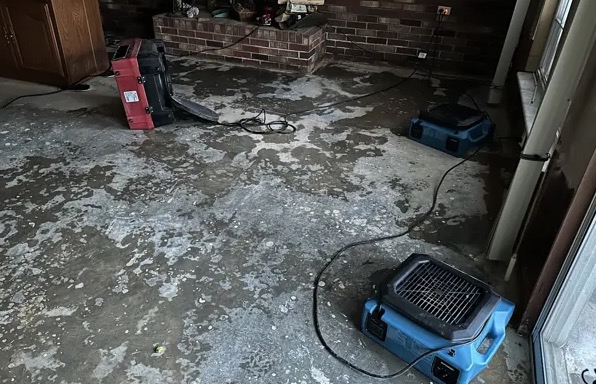
Storm Water Damage Cleanup in 30102, Georgia
Water from a storm can keep coming in after the rain stops, through a roof that is still open or a window that is still broken.
Storm damage restoration is available in Acworth and nearby Kennesaw, Woodstock and Cartersville. The pros handle board-up, tarping, water extraction and drying after storms of any size.
Storm Damage Restoration Work in 30102
Wind-Driven Rain Drying
When high winds drive rain into a home, water often runs down inside exterior walls. Meters find it, and drywall is opened where needed to dry it.
Storm Flooded Basement Cleanup
Basement floodwater from outside is treated as contaminated, so soaked porous materials are removed and surfaces are disinfected.
Storm Damage Water Extraction
Rainwater that came in through a roof, window or door is removed from floors, carpet and the space under cabinets before it soaks into walls.
Wall Cavity Drying After Storms
Water that gets behind siding or stucco can soak insulation and the back of the drywall. The pros find it with meters and dry the cavity.
Hail Damage Leak Cleanup
After a hailstorm, leaks may not show for days. Ceiling stains and wet insulation are checked and dried, and the damaged spots are noted for the roofer.
When Storm Damage Needs Professional Cleanup
Broken Windows or Doors
Any broken glass or damaged door lets rain and wind in. The opening needs to be covered before drying can work.
Mud or Debris Indoors
Mud, leaves or glass inside the house mean storm water came in from outside and floors need cleaning as well as drying.
Water in the Basement
Water on the basement floor or seeping through walls after heavy rain means storm runoff found its way inside.
Bubbling Paint on Exterior Walls
Paint that bubbles on the inside of an exterior wall after a storm points to water that got behind the siding.
How Storm Damage Restoration Works in 30102
Step 1: Emergency Roof Tarping
Openings in the roof from wind or hail are tarped so the attic and ceilings stop taking on water.
Step 2: Hail Damage Leak Cleanup
Water in the attic is removed, wet insulation is pulled and ceilings below are checked for trapped water.
Step 3: Clean Surfaces
Floors and lower walls touched by outside water are cleaned and treated before drying to limit odor and contamination.
Step 4: Structural Drying
Dehumidifiers and air movers dry the attic, walls and floors, with readings taken each day until the targets are met.
How Storms Let Water Into 30102 Homes
Fallen Trees and Limbs
Branches and trees that fall on a house can open the roof or break windows, letting rain straight in.
Overflowing Gutters
Heavy rain can overflow clogged or undersized gutters, sending water down walls and toward the foundation.
Roof Damage From Wind
High winds lift and tear shingles and flashing, exposing the roof deck to rain that soaks into the attic.
Storm Runoff Into Basements
Heavy rain can raise the water around a house and push it through window wells, cracks and floor drains.
Home and Business Storm Damage Cleanup in 30102
Residential Storm Damage Restoration
In condos and townhomes, storm water can come through a neighbor's unit or a shared roof. The pros dry each affected unit and record what they find in each.
Commercial Storm Damage Restoration
Stores and offices with broken glass get boarded up for security, and wet stock and furniture are moved before extraction and drying begin.
Storm Cleanup: DIY or Professional?
Take photos and video of damage inside and outside, including broken windows and the roof, before anything is moved. Your insurer will ask for them.
Factors in Storm Damage Cleanup Cost in 30102
The cost of storm damage restoration in Acworth depends on how many rooms got wet, whether the roof or windows need covering and how long drying takes.
Water Source
Rain coming through a roof is cleaner than floodwater from outside. Dirty water means more cleaning and removal of porous materials.
Debris Inside
Mud, glass, branches and wet insulation inside the house take time to clear and dispose of.
Rooms Affected
Each wet room needs extraction, drying equipment and moisture checks, so the number of rooms sets much of the cost.
Does Insurance Cover Storm Damage Restoration?
The pros keep photos, moisture logs and a list of removed materials. You file the claim with your insurer and share these records with the adjuster.
Why Professional Storm Damage Restoration Pays Off
Notes for Other Trades
Roof, window and siding damage is noted with photos, so roofers and contractors know where water got in.
Hidden Water Found
Moisture meters and thermal cameras find water in walls, attics and under flooring that is not visible after a storm.
Dirty Water Handled Safely
Water that came in from outside is treated as dirty, with soaked porous materials removed and surfaces cleaned.
Storm Water Inside Your 30102 Home Right Now?
Storm water inside your Acworth home? Call (470) 722-8241 24/7. The pros can board up openings, tarp the roof and start extraction once it is safe.
Call Now (470) 722-8241Storm Damage Restoration Near 30102: Areas Served
Storm damage restoration is available in Acworth and nearby Kennesaw, Woodstock and Cartersville, for homes and businesses.
Common Questions After Storm Damage
Do the pros repair roofs and windows?
They cover them with tarps and plywood so the inside can dry. Permanent roof, window and siding repairs are done by those trades.
How do the pros find water inside walls after a storm?
They use moisture meters and thermal cameras along exterior walls, under windows and in the attic to find water that is not visible.
How soon should storm cleanup start?
As soon as it is safe. Wet drywall, carpet and insulation can start to grow mold in 24 to 48 hours, and open roofs and windows let in more rain.
Can wet carpet be saved after a storm?
Often, if it got wet from rain through a roof or window and is extracted and dried quickly. Carpet soaked by floodwater from outside is usually replaced.
Can hail damage cause leaks later?
Yes. Hail can crack shingles, skylights and vent caps, and those cracks may not leak until the next heavy rain.