Flowery Branch, GA · Hall County
Temperature-Controlled Drying in Flowery Branch, GAMoisture Mapping & Climate-Controlled Drying Systems
Local moisture control experts provide Temperature-Controlled Drying in Flowery Branch, featuring drying equipment deployment, water damage drying logs, and moisture mapping for precise water damage recovery.
Answered 24/7
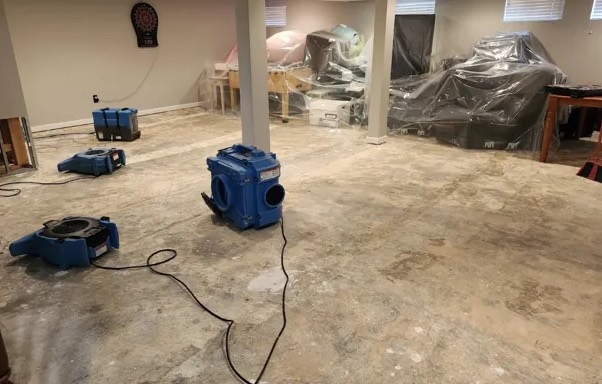
Expert Temperature-Controlled Drying Services in Flowery Branch, Georgia
In Flowery Branch, moisture that dries unevenly can warp materials and leave hidden mold. Local pros control heat and airflow so drying is even and does not cause more damage.
In Flowery Branch and nearby Oakwood, Buford and Sugar Hill, local pros take baseline moisture readings, then run air movers and dehumidifiers and log moisture levels as they drop.
Advanced Temperature-Controlled Drying Techniques in Flowery Branch
Moisture Mapping
Systematic testing identifies moisture content percentages in all building materials. The experts compare readings to known dry standards.
Climate-Controlled Drying Systems
For complex jobs, the experts use industrial equipment to keep humid air from re-wetting materials, so walls dry all the way through.
Water Damage Drying Logs
The experts in Flowery Branch maintain drying logs as an official record. This data tracks moisture reduction over time and informs any needed adjustments to the drying strategy.
Drying Equipment Deployment
The experts choose the mix of air movers, dehumidifiers and heaters from the size of the area, the materials and the moisture levels, then set it up to run safely.
Thermal Drying for Water Damage
The experts raise the room temperature in a controlled way to drive moisture out of dense materials like concrete slabs and beams, watching readings the whole time.
Signs You Need Professional Temperature-Controlled Drying in Flowery Branch
High Humidity Readings Inside
A hygrometer showing unusually high indoor humidity after water damage means the building is still wet.
Cold, Damp Feeling in a Room
A room feels noticeably colder and damper than the rest of the house. This sensation is often due to evaporative cooling from wet materials.
Visible Mold Growth in Corners
Black, green or white specks in damp corners or on baseboards are usually mold, which means moisture has been there a while.
Damp Odors Persisting After Water
A musty smell lingers even after visible water is gone, indicating hidden moisture. That odor often signals mold or trapped dampness.
How Temperature-Controlled Drying Works in Flowery Branch
Step 1: Establishing the Drying Environment
The first step involves preparing the area by removing debris and setting up containment if needed.
Step 2: Implementing the Drying Array
Air movers and dehumidifiers are paired in a planned layout to dry walls and floors.
Step 3: Executing Temperature-Controlled Drying
The system executes temperature-controlled drying, maintaining ideal conditions to draw moisture out of materials.
Step 4: Final Verification and Documentation
Final verification compares moisture readings in affected materials to known dry standards in the home.
Causes of Persistent Dampness Requiring Controlled Drying in Flowery Branch
Roof Leak During Heavy Rain
Wind-driven rain through a damaged roof or flashing can run down inside wall cavities, where it needs targeted drying.
Foundation Cracks and Seepage
Hydrostatic pressure forces groundwater through cracks in the foundation wall. This seepage creates a constant dampness that challenges standard drying technology.
Sprinkler System Activation
A fire sprinkler discharges, releasing a large volume of water quickly. This event saturates entire areas and requires precise air mover placement and strategy.
Inadequate Initial Water Extraction
Water left behind after a leak or flood moves into subfloors and walls, where it is harder to dry.
Temperature-Controlled Drying for Homes and Businesses in Flowery Branch
Residential Temperature-Controlled Drying
Residential restoration focuses on saving personal items and preventing long-term odors in living areas and bedrooms. The specialists employ thermal drying for water damage to gently yet effectively dry contents and building materials.
Commercial Temperature-Controlled Drying
In commercial settings, uncontrolled humidity can damage sensitive electronics, documents, and finished goods. The pros implement humidity control for restoration to create optimal drying conditions for diverse materials.
Temperature-Controlled Drying vs. DIY Drying in Flowery Branch
Ventilating the area by opening windows can help if outdoor humidity is lower than indoors, but this is rarely controlled or sufficient. You can create a list of damaged items for a potential insurance claim.
What Affects Temperature-Controlled Drying Cost in Flowery Branch
In Flowery Branch, cost depends on how far the moisture spread and how many rooms need drying equipment and monitoring.
Documentation Requirements
Detailed drying logs and moisture reports for insurance take extra time to prepare.
Drying Time Required
Longer drying periods for climate-controlled systems mean more equipment runtime and monitoring, impacting the overall cost of the restoration project.
Equipment Needs
The number and type of air movers, dehumidifiers and heaters used affect the cost.
Does Insurance Cover Temperature-Controlled Drying?
Humidity control for restoration following a water incident might be considered under the drying portion of a claim. The pros in Flowery Branch provide precise documentation of the controlled drying systems used and the results achieved.
Why Choose Local Moisture Control Experts for Temperature-Controlled Drying in Flowery Branch
IICRC-Standard Drying Methods
Drying follows industry guidelines and is checked with meters, which keeps framing and floors from staying wet.
Structural Drying
The focus is on quickly extracting moisture from structural components to minimize warping, swelling, or the potential for mold growth.
Comprehensive Drying Logs
Detailed, chronological logs of moisture readings and equipment settings provide a transparent record of the entire temperature-controlled drying process.
Emergency Moisture Control in Flowery Branch
Don't let moisture settle in. For emergency deployment of drying equipment and strategic air mover placement to start controlled drying, reach the experts directly at (470) 722-8241, available 24/7.
Call Now (470) 722-8241Temperature-Controlled Drying Serving Flowery Branch and Nearby Areas
Temperature-controlled drying is available for homes and businesses in Flowery Branch and nearby areas like Oakwood, Buford and Sugar Hill.
- Temperature-Controlled Drying in Oakwood
- Temperature-Controlled Drying in Buford
- Temperature-Controlled Drying in Sugar Hill
- Temperature-Controlled Drying in Gainesville
- Temperature-Controlled Drying in Braselton
- Temperature-Controlled Drying in Hoschton
- Temperature-Controlled Drying in Suwanee
- Temperature-Controlled Drying in Cumming
- Emergency Damage Restoration in 30542
- Storm Damage Restoration in 30542
- Water Damage Restoration in 30542
- Water Extraction Service in 30542
- Water Leak Detection in 30542
- Water Removal Service in 30542
Your Temperature-Controlled Drying Questions Addressed
How does thermal drying for water damage work?
Thermal drying applies carefully managed heat to increase the evaporation rate of moisture trapped within materials, accelerating the drying process while monitored to prevent damage.
What happens if hidden moisture is not found during mapping?
Undetected moisture can lead to ongoing deterioration, odor issues, and mold growth inside walls or under floors, underscoring the critical need for thorough initial assessment.
How does humidity control aid in restoration?
Drier air pulls water out of wet materials faster, so lowering humidity speeds up drying.
Is temperature-controlled drying safe for electronics or artwork?
Yes, when the pros use low heat and careful humidity control, it can be safe for drying sensitive materials and belongings.
How long does the temperature-controlled drying process take?
It depends on the damage, the materials and the conditions. Pros monitor readings and stop when moisture goals are met.