Duluth, GA · Gwinnett County
Tile Floor Water Damage Restoration in Duluth, GAWater Under Tile Flooring Removal & Tile Floor Mold Prevention
Tile Floor Water Damage Restoration in Duluth starts with tile floor water extraction, wet tile floor cleanup, and tile floor water damage repair.
Answered 24/7
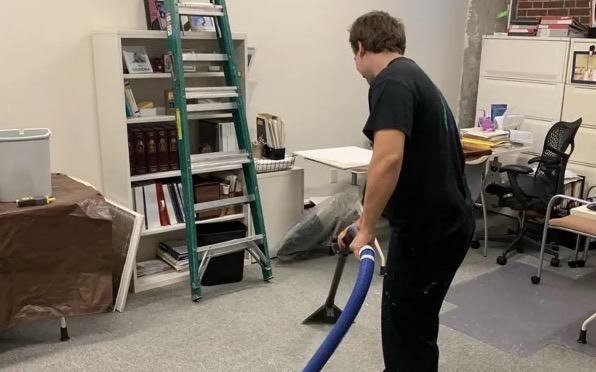
Professional Tile Floor Water Damage Restoration in Duluth, GA
In properties across Duluth, tile floors are common in kitchens and bathrooms where leaks occur. Wet tile floor cleanup must be thorough to avoid lingering dampness, odor, and the deterioration of the subfloor materials.
Across Duluth and nearby places like Peachtree Corners, Suwanee and Norcross, water damaged tile floors need expert care to restore their appearance and function. The tile floor water damage cost can escalate if moisture isn't fully removed.
Key Tile Floor Water Damage Restoration Services Offered in Duluth
Water Under Tile Flooring Removal
Pros choose the least invasive way to get water out from under the tile and dry the area fully, which protects the subfloor from failing.
Tile Floor Mold Prevention
Preventing mold growth requires thorough drying of the entire tile assembly. Appropriate treatments are then applied to tile and grout surfaces.
Tile Floor Water Extraction
Extraction clears visible water from the floor. This initial step prepares the tile area for the drying phase.
Tile Floor Drying Services
Following water removal, air movers and dehumidifiers are deployed. This drying phase addresses moisture held in grout and underlayment materials.
Tile Floor Moisture Inspection
Before any work begins, a thorough inspection defines the project scope. Pros document moisture levels, photograph the damage, and create a report.
Signs of Water Damage Needing Tile Floor Water Damage Restoration
Grout Crumbling Away
Grout that cracks, crumbles or falls out between tiles often means water is getting underneath.
Efflorescence on Tile Surface
A white, powdery residue on tiles is efflorescence, a mineral deposit left by evaporating water. It signals previous moisture issues that need addressing.
Baseboards Swelling Nearby
Swollen or discolored baseboards adjacent to a tile floor often trace water migration from underneath. This is a secondary indicator of a serious moisture problem.
Visible Water Pooling
Water that keeps reappearing on a tile floor after you wipe it up points to water trapped below.
How Tile Floor Water Damage Restoration Works in Duluth
Step 1: Source Stop and Safety Check
The water source is stopped and the area is made safe before work begins.
Step 2: Surface Water Removal
Water on the tile surface is removed with extraction wands and wet vacuums.
Step 3: Subsurface Drying Deployment
Drying equipment is deployed to address moisture in the substrate beneath the tiles, a core component of professional tile floor drying services.
Step 4: Completion Verification
The job is complete when verification moisture readings confirm all materials meet dry standard, helping ensure no residual moisture remains to cause future issues.
Typical Sources of Tile Floor Water Damage
Improper Initial Tile Installation
Tile installed without a proper moisture barrier or waterproof underlayment is vulnerable to water intrusion from above, leading to premature failure.
Pet Water Bowl Spills
Repeated spills from a pet's water bowl, especially on unsealed tile or grout, can allow water to penetrate and cause localized tile floor water damage.
Natural Flooding Events
Heavy rain or flash floods can push water into a home and across tiled floors.
HVAC Condensation Issues
A malfunctioning air conditioner or uninsulated condensation drain line can drip constant moisture onto a tile floor, creating a hidden, chronic dampness issue.
Residential and Commercial Tile Floor Water Damage Restoration in Duluth
Residential Tile Floor Water Damage Restoration
At home, pros decide whether tiles can be saved or must be replaced, and blend new tile and grout with the old.
Commercial Tile Floor Water Damage Restoration
In commercial settings, tile floor mold prevention is critical after a water event to protect employee and customer health. Local tile floor water damage pros follow industry-standard methods for antimicrobial treatment and ensure the subsurface is fully dry to prevent future mold in the business property.
The Risks of DIY Tile Floor Water Damage Restoration
Monitoring the area for returning dampness or new odors over several days is a prudent DIY follow-up. If problems persist, it indicates hidden moisture. For definitive resolution and to prevent long-term issues like subfloor rot, contact tile floor water damage pros for tile floor water damage restoration.
Tile Floor Water Damage Restoration Cost in Duluth, GA
Cost depends on how much water is under the tile, whether mold prevention is needed and whether the subfloor needs repair.
Mold Prevention Needs
If tile floor moisture issues present a mold risk, additional antimicrobial treatments may be part of the restoration cost.
Water Source Category
Clean water from a supply line is simpler to address than contaminated flood water, affecting the tile floor cleanup process.
Extent of Damage
The square footage of water damaged tile floors and depth of saturation directly influence the restoration scope and cost.
Does Insurance Cover Tile Floor Water Damage Restoration?
For water under tile flooring removal, coverage depends on if the cause is a covered peril. The pros in Duluth record moisture levels and the extraction process for your claim file.
Why Choose Local Pros for Tile Floor Water Damage Restoration in Duluth
Mold Prevention Focus
Addressing humidity quickly is part of tile floor mold prevention to safeguard your indoor air quality.
Structural Integrity Consideration
The subfloor is checked before tile repairs, so new tile goes down on a sound base.
Focused Drying Strategy
A targeted approach for tile floor drying services addresses both the surface and the subfloor to prevent warping.
24/7 Emergency Tile Floor Water Damage Restoration for Duluth
Flooded tile floor restoration starts with an emergency call to (470) 722-8241. The pros are available around the clock to initiate the water extraction process.
Call Now (470) 722-8241Tile Floor Water Damage Restoration Service Area Including Duluth
Tile floor moisture inspection and mold prevention are available in Duluth and nearby locations like Peachtree Corners, Suwanee and Norcross.
- Tile Floor Water Damage Restoration in Peachtree Corners
- Tile Floor Water Damage Restoration in Suwanee
- Tile Floor Water Damage Restoration in Norcross
- Tile Floor Water Damage Restoration in Lilburn
- Tile Floor Water Damage Restoration in Big Creek
- Tile Floor Water Damage Restoration in Lawrenceville
- Tile Floor Water Damage Restoration in Sugar Hill
- Tile Floor Water Damage Restoration in Alpharetta
- Emergency Damage Restoration in 30026
- Storm Damage Restoration in 30026
- Water Damage Restoration in 30026
- Water Extraction Service in 30026
- Water Leak Detection in 30026
- Water Removal Service in 30026
- Emergency Damage Restoration in 30029
- Storm Damage Restoration in 30029
Your Tile Floor Water Damage Restoration Questions Addressed
What causes tile floor moisture issues?
Common causes include appliance leaks like from dishwashers, plumbing failures such as burst pipes, overflow incidents from sinks or tubs, or groundwater intrusion through cracks in the foundation.
How long does the tile floor water damage process take?
Drying typically takes 2-5 days, but the full timeline depends on the extent of damage, materials, and environmental conditions in the home.
How does tile floor water extraction work?
Powerful truck-mounted or portable extractors remove standing water, while specialized tools pull moisture from grout lines and from under the tiles.
What is flooded tile floor restoration?
It covers extraction, structural drying, sanitizing and any repairs to the tile and the floor beneath it after a major water event.
Does tile floor mold prevention require special chemicals?
As part of a complete drying protocol, the pros may apply EPA-registered antimicrobial solutions during the cleaning phase to inhibit mold on the affected surfaces.