Dallas, GA · Paulding County
Water Damage Assessment in Dallas, GAWater Damage Report & Mold Growth Risk Assessment
Water Damage Assessment in Dallas involves water leak source detection, moisture mapping, and structural damage inspection.
Answered 24/7
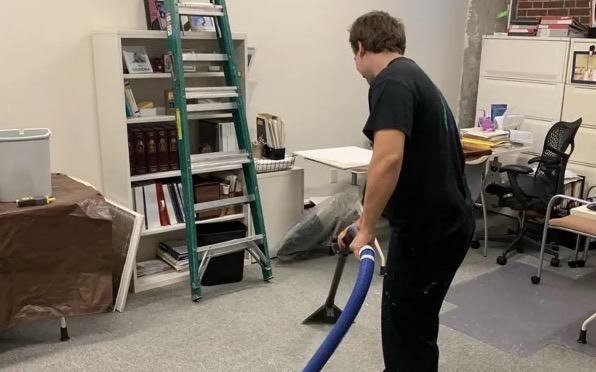
Local Water Damage Assessment for Dallas Properties
Effective water damage evaluation in Dallas helps ensure that all moisture sources are identified, reducing the chance of recurring issues or unseen mold development. Local damage assessment specialists apply structured protocols to evaluate both visible and concealed damage.
In Dallas and nearby Hiram, Powder Springs and Rockmart, local damage assessment specialists find leaks, map moisture, inspect the structure and evaluate contents to plan the restoration work.
What's Included in Dallas Water Damage Assessment
Water Damage Report
A clear record of the event is needed. The water damage documentation report from the specialists details all findings with photos and sensor data.
Mold Growth Risk Assessment
An assessment isn't complete without considering secondary damage. The specialists analyze temperature, ventilation, and the duration of wetness to gauge the likelihood of mold.
Drying Equipment Plan Development
Every scenario requires a unique drying approach. The specialists develop a placement plan for equipment to create optimal airflow and humidity control.
Structural Damage Inspection
The strength of a property's framework must be verified. The specialists look for water stains, softened areas, and unusual odors that indicate deeper structural issues.
Hidden Water Damage Inspection
Hidden water damage can go unnoticed behind walls and under floors. The pros use moisture meters and thermal imaging to find concealed moisture.
When to Schedule Water Damage Assessment for Your Dallas Property
Discolored Walls or Ceilings
Water stains or yellowish patches on walls and ceilings often indicate slow leaks or past flooding that need a professional water damage inspection.
Cracked or Shifting Foundation
New cracks in a foundation or slab may be caused by water erosion, demanding a professional flood damage assessment.
Unexplained Increases in Water Bills
A sudden spike in your water bill with no change in usage is a strong indicator of a hidden leak.
Peeling Paint or Wallpaper
Blisters or peeling finishes on walls often mean trapped moisture is compromising the adhesive and drywall behind the surface.
How Water Damage Assessment Works in Dallas
Step 1: Property-Wide Water Leak Assessment
The process starts with a systematic search for all active and past leaks. The specialists examine plumbing, appliances, and the building envelope for failure points.
Step 2: Hidden Water Damage Detection Phase
Using non-invasive tools, the specialists probe behind walls and under floors. This critical phase finds moisture that isn't visible during a standard walkthrough.
Step 3: Evaluation of Salvageable Materials and Belongings
Every affected room undergoes a content and belongings evaluation. The specialists separate items for cleaning, items for disposal, and document everything for the homeowner's insurance claim.
Step 4: Drying Strategy and Equipment Planning
Based on the moisture map, the specialists design a targeted drying equipment plan. This specifies the number and placement of air movers, dehumidifiers, and monitoring sensors needed.
Common Causes of Water Damage in Dallas
Sprinkler System or Irrigation Leaks
Broken sprinkler heads or underground line leaks can saturate soil next to a foundation, promoting water intrusion and mold.
Severe Weather and Flooding
Heavy rain and flash floods can overwhelm drainage and push water into a building quickly.
Roof Leaks and Compromised Flashing
Damaged shingles, cracked flashing, or clogged gutters allow water to seep into attics and walls during rainstorms.
Appliance Malfunctions and Failures
Water heaters, washing machines, dishwashers, and refrigerators can leak due to worn hoses, faulty valves, or internal tank failures.
Water Damage Assessment for Dallas Homes and Businesses
Residential Water Damage Assessment
In homes, the pros perform a detailed content and belongings evaluation, identifying salvageable items versus those too damaged. They assess risks like mold in wall cavities and provide a clear restoration scope and estimate outline for homeowners.
Commercial Water Damage Assessment
A commercial assessment by the specialists includes checking for compliance and safety issues, like electrical system exposure or slip hazards.
Water Damage Assessment vs. DIY: When to Call Local Specialists
You can move small, portable belongings out of standing water and place aluminum foil under furniture legs to prevent carpet staining. Do not attempt to operate electronics or appliances in wet areas. For a proper content and belongings evaluation and to assess electrical hazards, contact the specialists.
What Affects Your Water Damage Assessment Price in Dallas
In Dallas, commercial assessments usually cost more because of larger spaces, more rooms and more complex scopes of work.
Property Size and Layout
Larger homes or complex commercial spaces in Dallas require more time for thorough moisture mapping and documentation, affecting the assessment duration.
Mold Inspection Necessity
A concurrent mold growth risk assessment after water damage adds another layer of analysis to the overall service.
Inspection Depth Required
Finding hidden water behind walls or under floors takes more tools and time.
Does Insurance Cover Water Damage Assessment?
Coverage for flood damage assessment varies by insurance policy type and the incident's cause. The pros follow industry-standard methods to produce evidence for the homeowner's claim.
Why Choose Local Specialists for Water Damage Assessment in Dallas
Category and Class Analysis
Water is classified by category and evaporation class to determine the appropriate drying strategy and restoration response.
Focus on Source Detection
Identifying the exact water leak source is prioritized to prevent ongoing damage during the assessment phase.
24/7 Emergency Response
Inspections are available at any hour, so the damage is recorded before it spreads.
24/7 Water Damage Assessment Available in Dallas
A water damage inspection is available 24/7 at (470) 722-8241. Finding the leak and mapping moisture early helps limit the damage.
Call Now (470) 722-8241Water Damage Assessment Near Dallas: Areas Served
In Dallas, inspections include moisture readings and water category determination. The same service is available in Hiram, Powder Springs and Rockmart, plus other nearby communities.
- Water Damage Assessment in Hiram
- Water Damage Assessment in Powder Springs
- Water Damage Assessment in Rockmart
- Water Damage Assessment in Douglasville
- Water Damage Assessment in Acworth
- Water Damage Assessment in Temple
- Water Damage Assessment in Villa Rica
- Water Damage Assessment in Kennesaw
- Emergency Damage Restoration in 30132
- Storm Damage Restoration in 30132
- Water Damage Restoration in 30132
- Water Extraction Service in 30132
- Water Leak Detection in 30132
- Water Removal Service in 30132
- Emergency Damage Restoration in 30157
- Storm Damage Restoration in 30157
Your Water Damage Assessment Questions Addressed
What is included in a water damage assessment?
Leak source detection, moisture mapping, structural inspection and water category determination, ending with a written restoration scope.
What is a drying equipment plan development?
Based on moisture mapping, pros outline the specific types, number, and placement of air movers, dehumidifiers, and other equipment needed for effective drying.
What tools are used for hidden water damage detection?
The pros use moisture meters, thermal imaging cameras, and borescopes to locate moisture behind walls and under floors without invasive demolition.
What is the difference between water damage inspection and restoration?
Inspection is the diagnostic phase that assesses and documents the damage. Restoration is the physical work of drying, cleaning, and repairing based on that assessment.
Who uses the restoration scope and estimate outline?
You and your chosen restoration contractor use the outline to understand the required work. You may also share it with your insurance adjuster during the claims process.