Covington, GA · Newton County
AC Unit Water Removal in Covington, GAWet AC Unit Component Drying & AC Condensate Drain Clearing
AC Unit Water Removal in Covington runs from emergency AC water removal and AC leak water cleanup to air conditioner restoration services.
Answered 24/7
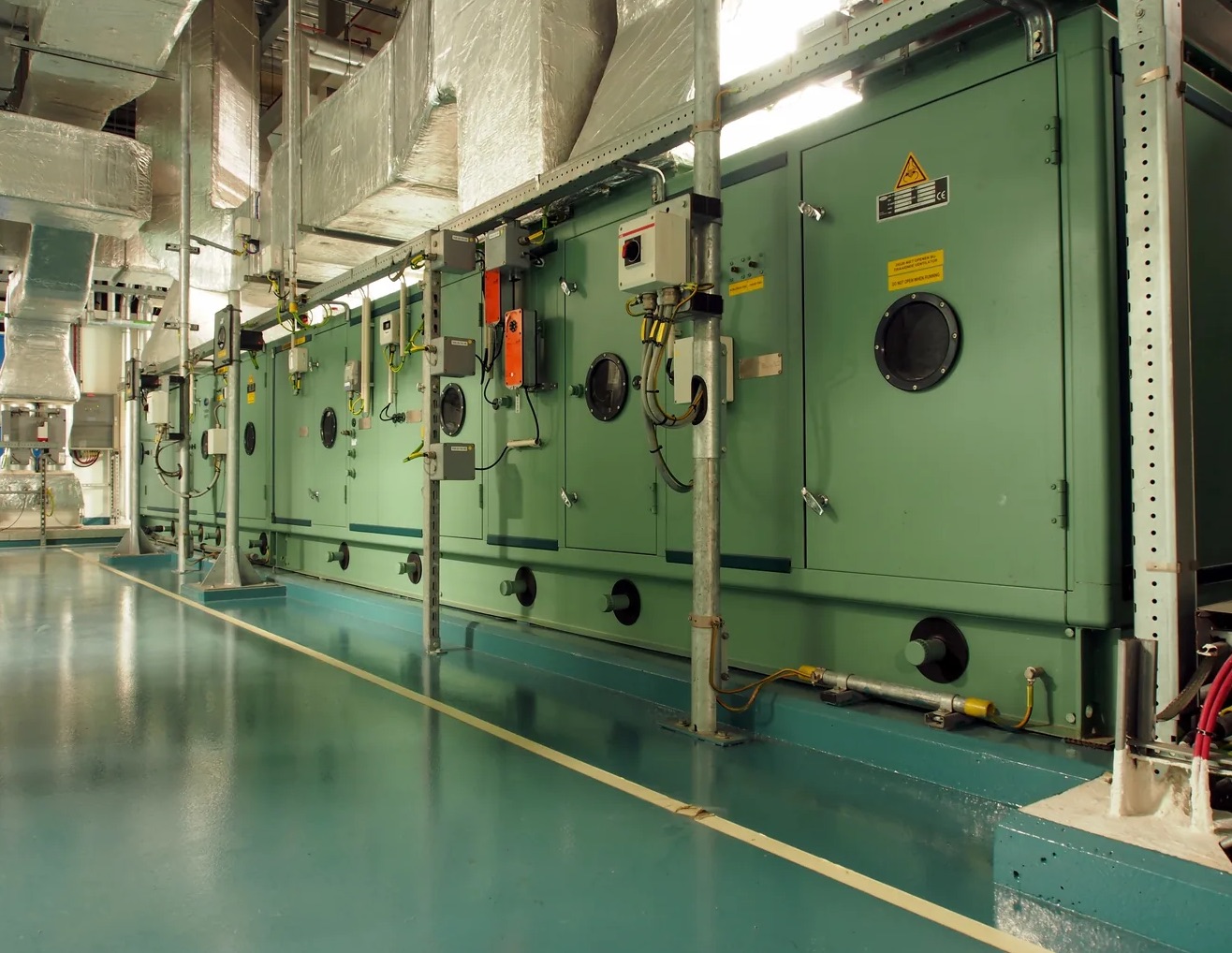
Professional AC Unit Water Removal in Covington, GA
Attic air handlers in Covington leak straight into the ceiling below. A sagging or stained ceiling under the unit means water is already in the drywall and possibly the insulation above it.
Property owners in Covington can call (470) 722-8241 day or night when an air handler starts leaking. Service also covers Social Circle, Conyers and Monroe, with the same extraction, drain clearing and drying process for attic, closet and garage units in houses, condos and apartments.
Detailed AC Unit Water Removal Offerings for Covington
Wet AC Unit Component Drying
Wet blower motors, panels and wiring are dried with gentle airflow and dehumidifiers rather than direct heat, which lowers the risk of corrosion and shorts.
AC Condensate Drain Clearing
A clogged condensate line is the most common reason an AC unit leaks. The pros flush out algae and sludge so condensate drains away again.
AC Leak Mold Prevention
Surfaces that stayed damp, such as framing under the air handler, are treated after drying so leftover spores have less to feed on.
AC Leak Water Extraction
Water is removed from every wet surface the leak reached, including closets and rooms below an attic air handler.
AC Leak Water Cleanup
Cleanup starts at the drain pan and works outward, removing pooled water and wet debris so drying can begin.
When to Call for AC Unit Water Removal in Covington
Condensation Line Dripping
A condensate line that drips inside instead of outside has a crack, loose fitting or clog.
Water on the Floor
A puddle around the air handler or furnace closet is the most direct sign of a leak.
Wet AC Unit Components
Damp coils, a wet blower compartment or moisture around wiring inside the cabinet mean water is collecting where it should not.
Reduced Cooling Efficiency
A clogged drain can trip a float switch or starve the coil of airflow, so the system runs longer and cools less.
How AC Unit Water Removal Works in Covington
Step 1: Leak Assessment
The pros find the source of the leak, check how far the water spread and take moisture readings.
Step 2: Source Stop and Water Removal
The drain is cleared or the leaking part isolated, then standing water is extracted from every wet area.
Step 3: System Drying and Dehumidification
Drying equipment runs until walls, floors and insulation test dry, with readings taken at each visit.
Step 4: Verification and Restoration
Final readings confirm the materials are dry, then damaged drywall, trim or ceiling panels can be replaced.
Common Causes of AC Unit Water Damage in Covington
Damaged AC Drain Pan
Metal pans rust through and plastic pans crack with age, letting water drip straight through.
Dirty Air Filters
A clogged filter cuts airflow, which can freeze the coil and cause overflow when it melts.
High Static Pressure in Ducts
Restricted ducts can pull water off the coil and blow it into the cabinet or ductwork.
Disconnected Drain Line
A drain line knocked loose in the attic or closet empties condensate onto the ceiling or floor.
Both Residential & Commercial AC Unit Water Removal in Covington
Residential AC Unit Water Removal
Attic air handlers in houses leak into bedroom and hallway ceilings. The pan is emptied, the ceiling checked with a meter and wet drywall dried or cut out before it sags.
Commercial AC Unit Water Removal
Commercial systems have larger pans and longer drain runs. Clearing the line and drying ceiling tiles and carpet keeps the space open and safe for staff and customers.
Why DIY AC Water Removal Often Fails in Covington
Box fans move air across a wet surface, but they often leave water trapped in wall cavities and under flooring. Professional drying uses moisture readings to confirm the hidden areas behind walls and under floors are dry too.
AC Unit Water Removal Cost in Covington, GA
An attic unit that leaked all night costs more to fix than a closet leak caught the same day. In Covington, calling early is the simplest way to keep the bill down.
System Restoration Complexity
Replacing drywall, insulation or trim after drying adds material and labor to the total.
Leak Source and Severity
A slow drip near the closet costs less to fix than an attic overflow that soaked a ceiling and the room below.
Preventative Treatment Scope
Antimicrobial treatment is an optional step, priced by the size of the area treated.
Does Insurance Cover AC Unit Water Removal?
Coverage for AC unit water removal varies from policy to policy. The pros document the damage and the drying, but your insurer decides what is covered and what is not, so ask early in the claim.
Advantages of Hiring Local Pros in Covington for AC Unit Water Removal
Drain Pan Extraction
Both the main pan and the safety pan are emptied and checked for damage.
Industry Drying Standards
Drying follows industry water damage standards, with moisture readings at each visit.
Focus on Component Preservation
Wet blower motors and wiring are dried gently to lower the risk of corrosion and electrical faults.
Emergency AC Unit Water Removal Available 24/7 in Covington
AC leaking into a ceiling or floor in Covington? Shut the unit off at the thermostat, move belongings out of the way and call (470) 722-8241. Help is available 24/7.
Call Now (470) 722-8241AC Unit Water Removal Service Area Including Covington
Besides Covington, local AC unit water removal pros handle AC leaks, wet ceilings and clogged condensate lines in nearby Social Circle, Conyers and Monroe, day or night.
- AC Unit Water Removal in Social Circle
- AC Unit Water Removal in Conyers
- AC Unit Water Removal in Monroe
- AC Unit Water Removal in Lithonia
- AC Unit Water Removal in Loganville
- AC Unit Water Removal in McDonough
- AC Unit Water Removal in Stockbridge
- AC Unit Water Removal in Snellville
- Emergency Damage Restoration in 30014
- Storm Damage Restoration in 30014
- Water Damage Restoration in 30014
- Water Extraction Service in 30014
- Water Leak Detection in 30014
- Water Removal Service in 30014
- Emergency Damage Restoration in 30015
- Storm Damage Restoration in 30015
AC Unit Water Removal FAQ for Covington Homeowners
What should I do while waiting for help with an AC leak?
Turn off the AC, place towels or a bucket under the drip, move belongings out of the way and take photos.
What is involved in AC unit water removal?
Standing water is extracted, the condensate line is cleared, and wet materials are dried with air movers and dehumidifiers until moisture readings are normal.
Why document AC water damage?
Photos and moisture readings show what got wet and how it was dried, which helps your insurance claim.
What equipment is used to dry AC leak damage?
Extractors, air movers, dehumidifiers and moisture meters, plus wet vacs or pumps for the drain line.
Can a wet AC unit be saved after a leak?
Often yes. Components are dried gently and checked, but an HVAC contractor should inspect electrical parts before the unit runs again.