Gainesville, GA · Hall County
Basement Water Damage Restoration in Gainesville, GABasement Sewer Backup Cleanup & Basement Floor Water Removal
Get basement water damage restoration in Gainesville for basement floor water removal, basement mold prevention and basement drying services.
Answered 24/7
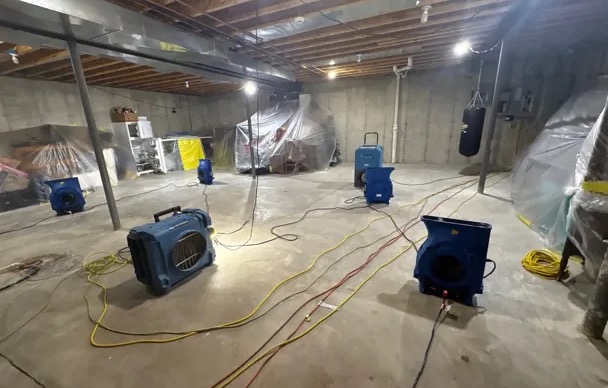
Local Basement Water Damage Restoration Near Gainesville
Basement Water Damage Restoration in Gainesville covers finished and unfinished basements. A bare concrete basement can often be pumped and dried. A finished one usually needs carpet, pad and lower drywall removed so the walls and slab can dry.
Homeowners in Gainesville can call (470) 722-8241 day or night when water is rising in the basement. Service also covers Oakwood, Flowery Branch and Braselton, with the same pumping and drying steps.
Complete Basement Water Damage Restoration for Gainesville
Basement Sewer Backup Cleanup
Porous materials touched by sewage, such as carpet, pad and lower drywall, are removed. Concrete and framing are cleaned and disinfected.
Basement Floor Water Removal
Wet carpet pad is removed from basement floors, since it holds water against the concrete and dries poorly.
Basement Dehumidification
Large dehumidifiers pull moisture from the basement air so walls, framing and the slab can release their water.
Basement Wall Drying
Concrete and block walls are dried with directed airflow and dehumidifiers, and checked with meters until readings drop.
Basement Drying Services
Air movers and dehumidifiers are placed to dry walls, framing and the slab. Below-grade rooms dry slowly, so readings are taken daily.
When to Consider Basement Water Damage Restoration for Your Gainesville Home
Rusted Appliances or Pipes
Rust on the water heater, furnace base or pipes points to repeated moisture or past flooding.
Peeling Paint or Wallpaper
Paint that peels or blisters on basement walls often has moisture behind it.
Efflorescence on Concrete Walls
White, chalky deposits on concrete walls mean water is moving through the concrete and leaving minerals behind.
High Humidity Levels Below-Grade
A basement that stays damp and clammy even on dry days has a moisture source that needs attention.
How Basement Water Damage Restoration Works in Gainesville
Step 1: Initial Assessment and Water Removal
The source and type of water are identified, and standing water is removed right away.
Step 2: Focused Drying of Materials
Walls, framing and the slab are dried with directed airflow, with wet insulation removed.
Step 3: Air Quality Management
Air scrubbers filter dust and odors from removal work while drying continues.
Step 4: Documentation for Restoration
Photos, readings and a list of removed materials are prepared for insurance and rebuilding.
What Causes Basement Water Damage Restoration in Gainesville
High Water Table and Hydrostatic Pressure
A high water table pushes groundwater up through the slab and into the joints between wall and floor.
Stormwater Runoff Into Lower Levels
Heavy rain running off hard ground or a sloped yard can pour down stairwells and under doors into below-grade rooms.
Plumbing Pipe Bursts or Leaks
Supply lines and drain pipes in basement ceilings can crack or burst onto the floor below.
Clogged Floor Drains
A floor drain blocked by debris cannot carry off water from a leak or overflow, so it spreads across the basement floor.
Basement Water Damage Restoration for All Properties in Gainesville
Residential Basement Water Damage Restoration
Finished basements used as living space need carpet, pad and lower drywall checked carefully. Soaked materials are removed so the walls and slab can dry.
Commercial Basement Water Damage Restoration
Businesses with below-grade storage need inventory moved out of the water quickly. Wet stock is separated and documented for insurance.
Basement Water Damage Restoration vs. DIY: When to Call the Pros
Keeping gutters and downspouts clear and checking water heater and washer hoses are good DIY steps before storm season. Once water is on the floor, call (470) 722-8241.
Factors Affecting Basement Water Damage Restoration Cost in Gainesville
A basement pumped and dried right away in Gainesville usually costs less than one left wet for days, when more drywall and flooring are lost.
Access Complexity
Narrow stairs, low ceilings and stored contents can make the work slower.
Emergency Service
Night, weekend and storm calls can cost more than a scheduled visit.
Dehumidification Needs
Large dehumidifiers may need to run longer in below-grade spaces than in upper floors.
Does Insurance Cover Basement Water Damage Restoration?
Photos, moisture readings and drying logs from local restoration pros help support an insurance claim for basement water damage in Gainesville.
Advantages of Hiring Local Pros in Gainesville for Basement Water Damage Restoration
Industrial-Grade Equipment
Pumps, extractors and large dehumidifiers remove water much faster than household wet vacs and fans.
Containment Strategies
Plastic sheeting keeps contaminated areas separate from clean parts of the house.
Structural Integrity Assessment
Walls, stairs and framing are checked for damage before work begins in the basement.
24/7 Emergency Basement Water Damage Restoration for Gainesville
Sewage coming up through a floor drain? Stop using water in the house and call (470) 722-8241 now for basement water damage restoration in Gainesville.
Call Now (470) 722-8241Regions Served for Basement Water Damage Restoration Near Gainesville
Nearby areas served for basement water damage restoration include Oakwood, Flowery Branch and Braselton, with the same pumping and drying steps used in Gainesville.
- Basement Water Damage Restoration in Oakwood
- Basement Water Damage Restoration in Flowery Branch
- Basement Water Damage Restoration in Braselton
- Basement Water Damage Restoration in Hoschton
- Basement Water Damage Restoration in Coal Mountain
- Basement Water Damage Restoration in Sugar Hill
- Basement Water Damage Restoration in Buford
- Basement Water Damage Restoration in Dahlonega
- Emergency Damage Restoration in 30501
- Storm Damage Restoration in 30501
- Water Damage Restoration in 30501
- Water Extraction Service in 30501
- Water Leak Detection in 30501
- Water Removal Service in 30501
- Emergency Damage Restoration in 30503
- Storm Damage Restoration in 30503
Frequently Asked Questions About Basement Water Damage Restoration
Why is dehumidification so important after basement water removal?
Basements hold moisture in the air and concrete. Without dehumidifiers, walls and framing stay damp long after the water is gone.
How long does below-grade drying take after a flood?
Often several days or longer, since concrete and cool basement air dry slowly. Daily readings show progress.
What is the priority during emergency basement flood cleanup?
Safety first, especially electrical hazards, then stopping the source and pumping out the water as quickly as possible.
What causes the most common below-grade leaks in homes?
Sump pump failures, foundation cracks, clogged drain tile, sewer backups and burst pipes in the basement ceiling.
What equipment is used for below-grade water damage repair?
Submersible pumps, extractors, air movers, large dehumidifiers, moisture meters and air scrubbers for dust and odor.