College Park, GA · Fulton County
Basement Water Removal in College Park, GABasement Drying Services & Basement Moisture Inspection
After a burst pipe or storm, Basement Water Removal in College Park means basement water pump out, basement wall drying and basement drying services.
Answered 24/7
Expert Basement Water Removal in College Park, East Point, Forest Park and Riverdale
In College Park homes with a basement or below-grade room, water usually comes from storms, sewer backups or plumbing leaks overhead. The source decides how the water is handled and what can be saved.
In College Park, when a basement or below-grade room takes on water, it usually follows heavy rain, a sewer backup or a burst pipe. Local basement drying experts serve College Park, East Point, Forest Park and Riverdale, pumping water out and drying the space.
Specialized Basement Water Removal for College Park
Basement Drying Services
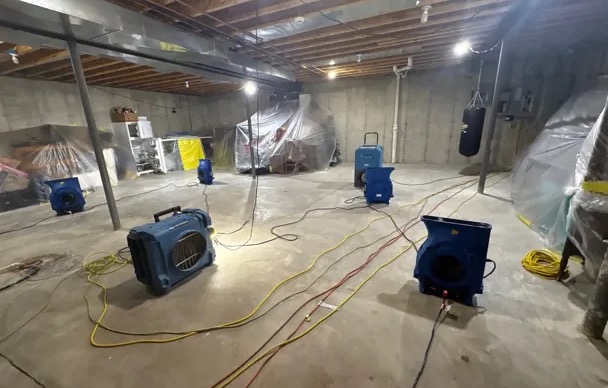
After pumping, air movers and dehumidifiers dry the walls, framing and slab. Readings are taken daily until every surface is back to normal.
Basement Moisture Inspection
Readings are recorded at each visit, giving you and your insurer a clear record of the drying.
Basement Water Pump Out
When water is more than an inch or two deep, pumps move it far faster than wet vacs, which limits how long walls sit in water.
Sump Pump Failure Water Cleanup
Cleanup after a sump failure includes drying the area around the pit and noting whether the pump, switch or power was the cause.
Basement Dehumidification
After drying, a household dehumidifier may still be needed to keep basement humidity in a healthy range.
When to Call for Basement Water Removal in College Park
Wet or Damp Basement Walls
Basement walls that look dark, feel damp or show tide lines are taking on or holding water.
Water Stains on Walls or Ceiling
Stains on lower walls or the ceiling below a bathroom or kitchen point to a leak.
Soggy or Wet Carpeting
Carpet that feels damp or smells sour is holding water in the pad against the concrete.
Rusted Appliances or Furniture
Rust on appliance bases, furniture legs or metal shelving points to standing water or long-term dampness.
How Basement Water Removal Works in College Park
Step 1: Emergency Water Extraction
Power is made safe, then pumps and extractors remove standing water from the basement floor.
Step 2: Detailed Moisture Inspection
Meters map wet walls, framing and slab areas, including behind finished walls and under flooring.
Step 3: Drying and Dehumidification
Air movers and large dehumidifiers run continuously, with readings checked every day.
Step 4: Final Verification and Monitoring
Readings are compared to dry areas, and equipment is removed only when the basement tests dry.
Sources of Basement Water Problems
Sump Pump Malfunction or Power Loss
A sump pump that fails mechanically or loses power during a storm lets groundwater rise.
Improper Landscape Grading
Soil that slopes toward the house directs rainwater straight to the basement walls.
Sewer Line Backups and Blockages
A blocked sewer line can push wastewater up through basement floor drains and toilets.
Plumbing Leaks or Pipe Bursts
Supply lines, drain pipes and water heaters in the basement can leak or burst onto the floor.
House and Business Basement Water Removal in College Park
Residential Basement Water Removal
In homes, a wet basement often means damaged carpet, drywall and stored belongings, plus a furnace or water heater sitting in water. Water is pumped out and the space dried.
Commercial Basement Water Removal
In commercial buildings, basements often house mechanical rooms and storage. Water is removed so systems can be checked to determine whether they can be restarted safely.
Basement Water Removal vs. DIY: When to Call the Pros
Checking appliance hoses and extending downspouts away from the house are good DIY steps before storm season. Once the basement floods, call (470) 722-8241 for help.
Factors Affecting Basement Water Removal Cost
In College Park, the drying phase usually costs more than the pumping, because basements need equipment running for several days.
Basement Square Footage
Larger basements need more extraction, more drying equipment and more days of drying.
Time of Service
Night, weekend and storm calls can cost more than a scheduled weekday visit.
Contamination Level
Sewage or dirty water needs protective gear, removal and disinfection, which costs more.
Does Insurance Cover Basement Water Removal?
Photos, moisture readings and drying logs from local basement drying experts help support an insurance claim for basement water damage in College Park.
Why Choose Local Pros for Basement Water Removal in College Park
Moisture Inspection
Meters and thermal cameras find water in walls, floors and slab that looks dry.
Clear Communication
You get plain updates on what was found, what was removed and how drying is going.
Contamination Safety Protocols
Sewage and dirty water are handled with protective gear, containment and disinfection.
Emergency Basement Flood Response in College Park
The faster a basement is pumped out, the more can be saved. Call (470) 722-8241 for basement water removal in College Park as soon as you see water.
Call Now (470) 722-8241Basement Water Removal Serving College Park and Surroundings
Help with basement water removal reaches East Point, Forest Park and Riverdale, plus other communities around College Park, for finished and unfinished basements alike.
- Basement Water Removal in East Point
- Basement Water Removal in Forest Park
- Basement Water Removal in Riverdale
- Basement Water Removal in Union City
- Basement Water Removal in Morrow
- Basement Water Removal in Fairburn
- Basement Water Removal in Jonesboro
- Basement Water Removal in North Decatur
- Emergency Damage Restoration in 30337
- Storm Damage Restoration in 30337
- Water Damage Restoration in 30337
- Water Extraction Service in 30337
- Water Leak Detection in 30337
- Water Removal Service in 30337
Common Basement Water Removal Questions Answered
Why is fast water removal so important for basements?
Basements dry slowly, so every hour of standing water adds drying days and more materials to replace.
What is involved in basement water removal?
Making power safe, pumping out standing water, extracting floors and carpet, removing soaked materials and dehumidifying until dry.
How long does basement drying take?
Often several days or longer, because concrete and cool basement air hold moisture. Daily readings show when it is done.
Does basement flood cleanup include mold prevention?
Fast drying is the main prevention. Wood and concrete that stayed wet can be treated with an antimicrobial once dry.
What happens during basement moisture control?
Dehumidifiers and air movers keep humidity low while materials dry, and readings confirm when the space is normal.