Hampton, GA · Henry County
Basement Water Removal in Hampton, GAEmergency Basement Flooding & Basement Wall Drying
Get basement water removal in Hampton for emergency basement flooding, basement water pump out and basement floor water damage.
Answered 24/7
Reliable Basement Water Removal Near Hampton, Georgia
A basement that looks dry a day after a flood in Hampton can still hold a lot of water in the slab, the bottom of the walls and under flooring. That hidden water causes the musty smell many basements have.
In Hampton, when a basement or below-grade room takes on water, it usually follows heavy rain, a sewer backup or a burst pipe. Local water extraction experts serve Hampton, Lovejoy, McDonough and Jonesboro, pumping water out and drying the space.
Comprehensive Basement Water Removal Solutions
Emergency Basement Flooding
Help is available any hour when water is rising in the basement from a storm, a sewer backup or a burst pipe.
Basement Wall Drying
Concrete and block walls dry with directed airflow and dehumidification, which pull water out of the masonry.
Basement Moisture Inspection
An inspection shows how high water wicked up the walls and how far it spread under flooring, which sets the drying plan.
Basement Drying Services
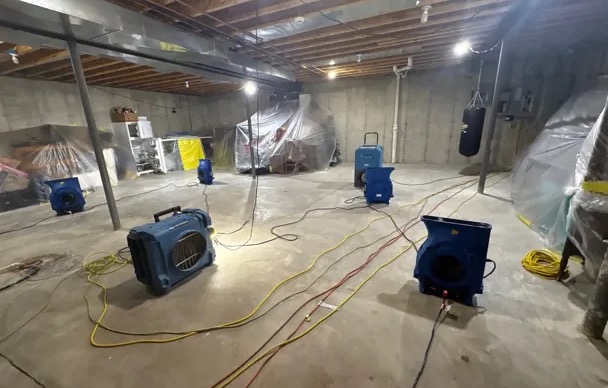
After pumping, air movers and dehumidifiers dry the walls, framing and slab. Readings are taken daily until every surface is back to normal.
Basement Floor Water Damage
Water on a basement floor soaks into carpet pad, laminate seams and the concrete itself. Floor coverings are lifted where needed so the slab can dry.
Common Symptoms Requiring Basement Water Removal
Standing Water in Basement
Standing water anywhere on the basement floor needs to be pumped out before it soaks the walls.
Mold or Mildew
Dark spots on drywall, framing or stored items mean the area has stayed wet for days.
Wet or Damp Basement Walls
Basement walls that look dark, feel damp or show tide lines are taking on or holding water.
Gurgling Sounds From Drains
Gurgling floor drains or slow drains can be an early sign of a sewer line problem.
How Basement Water Removal Works in Hampton
Step 1: Source Control and Water Pump Out
The leak is shut off and standing water is pumped out, starting at the lowest point.
Step 2: Water Extraction
Extractors pull water from carpet, pad and concrete, and wet vacs clear corners and stairs.
Step 3: Dehumidification and Drying
Large dehumidifiers and air movers dry walls, framing and slab over several days.
Step 4: Inspection and Clearance for Repair
Final readings confirm the basement is dry and ready for drywall and flooring repairs.
Common Causes of Basement Water Damage in Hampton
Window Well Leaks and Drainage
Window wells without drains or covers fill with rain and leak through the windows.
High Water Table and Hydrostatic Pressure
A high water table presses groundwater against the slab and walls, forcing it inside.
Appliance Malfunctions and Overflows
Washers, utility sinks and water softeners in the basement can overflow or leak.
Sewer Line Backups and Blockages
A blocked sewer line can push wastewater up through basement floor drains and toilets.
Basement Water Removal for Homes and Businesses
Residential Basement Water Removal
Families should keep children and pets away from basement water until power is safe and the type of water is known.
Commercial Basement Water Removal
In restaurants and shops, basement water near food or stock storage needs removal and cleaning before those areas are used again.
The Risks of DIY Basement Water Removal
Checking appliance hoses and extending downspouts away from the house are good DIY steps before storm season. Once the basement floods, call (470) 722-8241 for help.
Investing in Professional Basement Water Removal
A basement pumped out the same day in Hampton usually needs less drywall and flooring replaced than one left wet for days.
Access and Complexity
Narrow stairs, low ceilings and crowded storage areas make the work slower and longer.
Time of Service
Night, weekend and storm calls can cost more than a scheduled weekday visit.
Additional Services
Antimicrobial treatment, contents cleaning and repairs after drying add to the cost.
Does Insurance Cover Basement Water Removal?
Coverage for basement water removal depends on the water source and your policy. The pros document the damage and drying, and your insurer decides what is covered.
Why Hampton Homeowners Trust Local Pros for Basement Water Removal
Moisture Inspection
Meters and thermal cameras find water in walls, floors and slab that looks dry.
Contamination Safety Protocols
Sewage and dirty water are handled with protective gear, containment and disinfection.
Industry Drying Standards
Water removal and drying follow industry water damage standards, with readings at every visit.
24/7 Basement Water Removal When You Need It
Basement taking on water in Hampton? Make power safe if you can, move what you can and call (470) 722-8241. Help is available 24/7.
Call Now (470) 722-8241Local Basement Water Removal Coverage for Lovejoy, McDonough and Jonesboro
Nearby areas served for basement water removal include Lovejoy, McDonough and Jonesboro, with the same pumping and drying steps used in Hampton.
- Basement Water Removal in Lovejoy
- Basement Water Removal in McDonough
- Basement Water Removal in Jonesboro
- Basement Water Removal in Fayetteville
- Basement Water Removal in Stockbridge
- Basement Water Removal in Morrow
- Basement Water Removal in Forest Park
- Basement Water Removal in Riverdale
- Emergency Damage Restoration in 30228
- Storm Damage Restoration in 30228
- Water Damage Restoration in 30228
- Water Extraction Service in 30228
- Water Leak Detection in 30228
- Water Removal Service in 30228
Basement Water Removal in Hampton: Your Questions
What happens during basement moisture control?
Dehumidifiers and air movers keep humidity low while materials dry, and readings confirm when the space is normal.
What is the difference between a pump out and extraction?
A pump out removes deep standing water. Extraction pulls the remaining water from carpet, pad and floors.
How long does basement drying take?
Often several days or longer, because concrete and cool basement air hold moisture. Daily readings show when it is done.
How does a basement moisture inspection work?
Moisture meters and thermal cameras check walls, floors and the slab, including behind finished walls and under flooring.
Does basement flood cleanup include mold prevention?
Fast drying is the main prevention. Wood and concrete that stayed wet can be treated with an antimicrobial once dry.