Lawrenceville, GA · Gwinnett County
Contaminated Water Removal in Lawrenceville, GASewage Backup Water Removal & Flooded Basement Cleanup
Contaminated Water Removal in Lawrenceville covers sewage backup water removal, black water extraction and contaminated carpet removal.
Answered 24/7
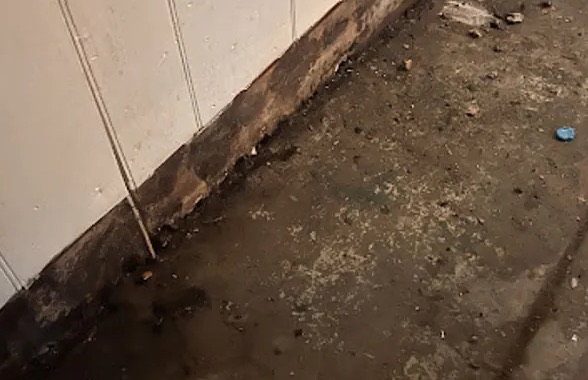
Local Contaminated Water Removal Services in Lawrenceville, Georgia
Not all water damage is the same. In Lawrenceville, water from a sewer backup, an overflowing toilet, a washing machine drain or outside flooding carries contaminants that clean water from a supply line does not.
Homes and businesses in Lawrenceville and nearby Grayson, Snellville and Suwanee deal with sewer backups, appliance drain leaks and floodwater. Help with contaminated water removal covers containment, extraction, removal and disinfection.
Detailed Contaminated Water Removal Methods in Lawrenceville, GA
Sewage Backup Water Removal
Sewage from a backed-up toilet, floor drain or tub is extracted with protective gear, and the affected area is sealed off from clean rooms.
Flooded Basement Cleanup
Below-grade spaces dry slowly, so dehumidifiers run until the slab and walls test dry after cleaning.
Emergency Water Mitigation
Fast mitigation keeps contamination from spreading into clean rooms, ductwork and the floor below.
Contaminated Carpet Removal
Contaminated carpet is extracted first to reduce weight and dripping, then removed in sections and disposed of properly.
Sewage Water Cleanup
Water carrying waste or other biological contamination is extracted with full protective gear, and the area is cleaned in a contained zone.
When to Call for Contaminated Water Removal in Lawrenceville, GA
Sump Pump Failure and Overflow
A sump pit that overflows can push dirty groundwater and debris across a basement floor.
Persistent Wet Carpet Issues
Carpet that stays wet and smells sour after a leak may have turned contaminated over time.
Sewage Backup in Home
Sewage coming up through toilets, tubs or floor drains is black water and needs protective cleanup right away.
Chemical Smell Near Standing Water
A chemical or fuel smell near water means something hazardous may be mixed in. Keep clear.
How Contaminated Water Removal Works in Lawrenceville
Step 1: Emergency Assessment and Containment
Water use is stopped, power is made safe and the area is sealed off with plastic sheeting.
Step 2: Contaminated Water Extraction
Workers in protective gear extract the water and remove solids and debris.
Step 3: Deep Cleaning and Disinfection
Porous materials such as carpet and drywall are removed, and hard surfaces are scrubbed and disinfected.
Step 4: Drying and Moisture Control
Air movers, dehumidifiers and air scrubbers dry the structure, with readings taken daily.
Sources of Water Damage Requiring Contaminated Water Removal in Lawrenceville
Septic Tank Backups
A full or failing septic system sends wastewater back up through the lowest drains.
Gray Water Source Overflow
Overflowing laundry tubs and sinks send gray water across floors and into nearby rooms.
Landscape Irrigation Issues
Irrigation runoff carrying fertilizer and soil can seep into lower levels through walls.
Plumbing System Failures
Cracked drain pipes and failed fittings leak wastewater into walls, floors and crawl spaces.
Both Residential & Commercial Contaminated Water Removal in Lawrenceville
Residential Contaminated Water Removal
A gray water leak from a washer is often less severe than sewage, but it still needs cleaning before drying.
Commercial Contaminated Water Removal
Medical offices, schools and childcare centers need contaminated water cleanup that meets the health rules for those spaces before reopening.
Contaminated Water Removal vs. DIY: When to Call the Pros
If you are not sure whether the water is clean, treat it as contaminated. Keep everyone, including pets, away from it and call (470) 722-8241 for an assessment.
What Influences Contaminated Water Removal Pricing in Lawrenceville
Disposal of contaminated materials, crawl space or below-grade access and after-hours calls all add to the total for contaminated water removal in Lawrenceville.
Water Source and Volume
A large volume of water, or water from several sources, adds pumping and cleanup time.
Access Complexity
Crawl spaces, basements and tight areas take longer to reach and clean safely.
Contamination Category
Black water costs more to clean up than gray water, since more materials are removed and disinfected.
Does Insurance Cover Contaminated Water Removal?
Coverage for contaminated water removal depends on the source of the water and your policies. The pros document the damage, and your insurer decides what is covered.
The Value of Local Pros for Contaminated Water Removal in Gwinnett County
Structural Drying Expertise
Walls, subfloors and framing are dried after cleaning, not just the visible surfaces.
Preventive Mold Strategies
Fast cleanup and drying, plus treatment where needed, limits microbial growth after contaminated water.
Odor Control
Removing contaminated materials and disinfecting surfaces deals with odors at their source.
Around-the-Clock Emergency Contaminated Water Removal in Lawrenceville
Sewage or dirty water spreading in Lawrenceville? Stop running water in the house, keep everyone away and call (470) 722-8241. Help is available 24/7.
Call Now (470) 722-8241Contaminated Water Removal for Lawrenceville and Surrounding Communities
Besides Lawrenceville, local water extraction experts handle contaminated water cleanup and disinfection in nearby Grayson, Snellville and Suwanee.
- Contaminated Water Removal in Grayson
- Contaminated Water Removal in Snellville
- Contaminated Water Removal in Suwanee
- Contaminated Water Removal in Duluth
- Contaminated Water Removal in Loganville
- Contaminated Water Removal in Lilburn
- Contaminated Water Removal in Norcross
- Contaminated Water Removal in Buford
- Emergency Damage Restoration in 30042
- Storm Damage Restoration in 30042
- Water Damage Restoration in 30042
- Water Extraction Service in 30042
- Water Leak Detection in 30042
- Water Removal Service in 30042
- Emergency Damage Restoration in 30043
- Storm Damage Restoration in 30043
Contaminated Water Removal FAQs
How long does flooded basement cleanup take?
Cleanup and removal often take a day or two, and drying a basement after cleaning usually takes several more days.
When is sewage water cleanup required?
Whenever water carries sewage or other waste, including toilet overflows with waste and sewer backups.
Why is immediate action critical for contaminated water?
Contamination spreads into more materials and rooms over time, raising the cost and the health risk.
What is the process for toxic spill water removal?
The area is made safe, the water is removed without spreading it and surfaces are cleaned with suitable products. Large spills may need a hazmat contractor.
What happens during the drying phase after cleanup?
Air movers and dehumidifiers dry the cleaned structure, and readings are taken daily until it is normal.