Lilburn, GA · Gwinnett County
Contaminated Water Removal in Lilburn, GAFlooded Basement Cleanup & Toxic Spill Water Removal
Contaminated Water Removal in Lilburn handles black water extraction, contaminated carpet removal and emergency water mitigation with protective gear.
Answered 24/7
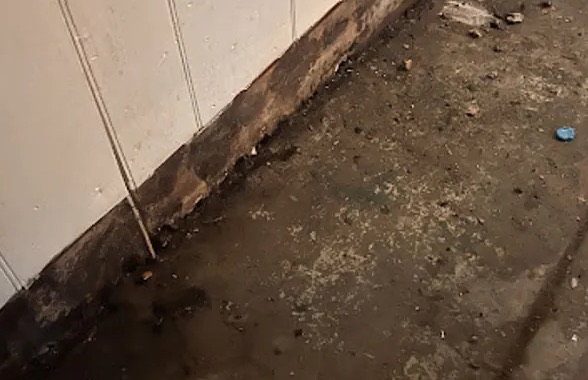
Trusted Contaminated Water Removal Solutions in Gwinnett County
Gray water and black water are the two kinds of contaminated water. In Lilburn homes, gray water comes from appliances and sink drains, and black water comes from sewage and floodwater.
Homeowners in Lilburn can call (470) 722-8241 day or night when sewage or dirty water spreads. Service also covers Tucker, Norcross and Stone Mountain, with the same safety and cleanup steps.
Contaminated Water Removal and Restoration Services in Lilburn
Flooded Basement Cleanup
Below-grade spaces dry slowly, so dehumidifiers run until the slab and walls test dry after cleaning.
Toxic Spill Water Removal
Surfaces touched by chemical-laden water are cleaned with products suited to the contaminant before drying.
Black Water Extraction
Black water, such as sewage or outside floodwater, is extracted with protective gear, and everything it touched is cleaned or removed.
Sewage Water Cleanup
Contaminated materials are bagged and disposed of according to local rules, and the removed items are listed for insurance.
Contaminated Carpet Removal
Carpet and pad soaked by sewage, floodwater or old gray water are cut out, bagged and removed from the home.
Signs of Contaminated Water Damage in Lilburn
Mold After a Flood
Dark spots on walls or floors after a flood mean contaminated materials have stayed wet too long.
Sump Pump Failure and Overflow
A sump pit that overflows can push dirty groundwater and debris across a basement floor.
Sewage Backup in Home
Sewage coming up through toilets, tubs or floor drains is black water and needs protective cleanup right away.
Chemical Smell Near Standing Water
A chemical or fuel smell near water means something hazardous may be mixed in. Keep clear.
How Contaminated Water Removal Works in Lilburn
Step 1: Safety Evaluation and Setup
Electrical hazards, chemicals and structural damage are checked before anyone enters the contaminated area.
Step 2: Bulk Water Extraction Process
Standing water is removed from every affected room, starting where it is deepest.
Step 3: Cleaning and Antimicrobial Treatment
Surfaces are cleaned, disinfected and treated with an antimicrobial where materials stayed wet for days.
Step 4: Structural Drying Verification
Drying runs until readings are normal, then the space is released for repairs.
What Causes Contaminated Water Incidents in Lilburn
Heavy Rainfall and Flooding
Heavy rain and flooding carry soil, chemicals and sewage into buildings through doors and walls.
Landscape Irrigation Issues
Irrigation runoff carrying fertilizer and soil can seep into lower levels through walls.
Plumbing System Failures
Cracked drain pipes and failed fittings leak wastewater into walls, floors and crawl spaces.
Industrial or Chemical Spills
Spills of fuel, oil or chemicals can mix with water and spread across floors and soil.
Property Contaminated Water Removal for All Lilburn Buildings
Residential Contaminated Water Removal
A gray water leak from a washer is often less severe than sewage, but it still needs cleaning before drying.
Commercial Contaminated Water Removal
Medical offices, schools and childcare centers need contaminated water cleanup that meets the health rules for those spaces before reopening.
The Risks of DIY Contaminated Water Removal in Lilburn
Do not run fans or a household vacuum on contaminated water or wet materials. That spreads bacteria and odor through the house. Call (470) 722-8241 for safe extraction.
Cost Considerations for Contaminated Water Removal in Lilburn
The pros identify the water source and map the affected area before pricing contaminated water removal in Lilburn, then explain each step.
Material Removal Needs
Removing and disposing of contaminated carpet, pad and drywall adds labor and fees.
Affected Area Size
Larger contaminated areas need more extraction, more removal of materials, more disinfection and more drying.
Water Source and Volume
A large volume of water, or water from several sources, adds pumping and cleanup time.
Does Insurance Cover Contaminated Water Removal?
Contaminated items that must be discarded should be listed and photographed before disposal, since insurers usually ask for that record.
Advantages of Hiring Local Pros in Lilburn for Contaminated Water Removal
Preventive Mold Strategies
Fast cleanup and drying, plus treatment where needed, limits microbial growth after contaminated water.
Structural Drying Expertise
Walls, subfloors and framing are dried after cleaning, not just the visible surfaces.
Advanced Extraction Equipment
Pumps and extractors remove contaminated water quickly, with less contact and spread.
Around-the-Clock Emergency Contaminated Water Removal in Lilburn
The sooner contaminated water is removed, the less has to be thrown away. Call (470) 722-8241 for contaminated water removal in Lilburn, day or night.
Call Now (470) 722-8241Contaminated Water Removal for Lilburn and Surrounding Communities
Nearby areas served for contaminated water removal include Tucker, Norcross and Stone Mountain, with the same containment and cleanup steps used in Lilburn.
- Contaminated Water Removal in Tucker
- Contaminated Water Removal in Norcross
- Contaminated Water Removal in Stone Mountain
- Contaminated Water Removal in Peachtree Corners
- Contaminated Water Removal in Snellville
- Contaminated Water Removal in Lawrenceville
- Contaminated Water Removal in Grayson
- Contaminated Water Removal in Duluth
- Emergency Damage Restoration in 30047
- Storm Damage Restoration in 30047
- Water Damage Restoration in 30047
- Water Extraction Service in 30047
- Water Leak Detection in 30047
- Water Removal Service in 30047
- Emergency Damage Restoration in 30048
- Storm Damage Restoration in 30048
Contaminated Water Removal FAQs
What is the process for toxic spill water removal?
The area is made safe, the water is removed without spreading it and surfaces are cleaned with suitable products. Large spills may need a hazmat contractor.
What is involved in sewage backup cleanup?
Containing the area, extracting the sewage, removing soaked carpet and drywall, disinfecting surfaces and drying.
When is sewage water cleanup required?
Whenever water carries sewage or other waste, including toilet overflows with waste and sewer backups.
What equipment is used for contaminated water removal?
Pumps and extractors, protective gear, disinfectants and air scrubbers, plus dehumidifiers, air movers and moisture meters for drying.
How quickly should black water removal begin?
Right away. Black water spreads bacteria and odor into materials the longer it sits, increasing what must be removed.