Duluth, GA · Gwinnett County
Desiccant Dehumidification in Duluth, GAWater Damage Dehumidification & Flood Drying Services
Desiccant Dehumidification in Duluth includes water damage dehumidification, construction drying services and mold prevention drying.
Answered 24/7
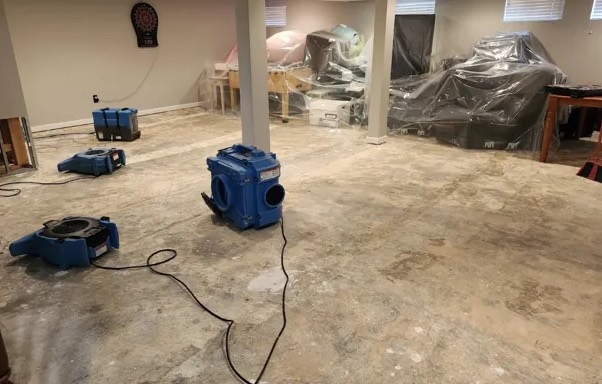
Desiccant Dehumidification: Moisture Control in Duluth
Desiccant Dehumidification in Duluth ends with dry readings and a record of the drying. Daily logs show humidity and material readings from the first visit to the last.
In Duluth, Peachtree Corners, Suwanee and Norcross, builders sometimes need slabs and drywall dried before flooring goes in. The pros lower humidity on the job site to speed that up.
Specialized Desiccant Dehumidification in Duluth, GA
Water Damage Dehumidification
Desiccant or refrigerant dehumidifiers are chosen based on the space, the temperature and how dry the air needs to get.
Flood Drying Services
Flood drying pairs desiccant units with air movers aimed at wet materials, with readings taken every day until the structure is dry.
Construction Drying Services
New construction can trap moisture in concrete, drywall mud and framing. Desiccant units help dry the building before finishes go in.
Mold Prevention Drying
In contained work areas, desiccant dehumidifiers keep the air dry while damaged materials are removed and framing is cleaned.
Emergency Dehumidification
Help is available any hour to set up drying equipment after a leak or flood, so moisture does not sit overnight in materials.
Indicators for Desiccant Dehumidification in Your Duluth Home
Visible Condensation on Windows
Windows that fog or drip inside show the air holds too much moisture for materials to dry.
Strong Damp Odor in Rooms
A damp smell that stays in a room after cleanup means materials there are still holding moisture.
Cold, Damp Feeling in Air
Air that feels cold and damp, especially in lower levels, can be too cool for standard dehumidifiers to work well.
Spongy Drywall or Soft Spots
Drywall that feels soft or spongy has absorbed water and may need removal if it does not dry.
How Desiccant Dehumidification Works in Duluth
Step 1: Initial Damage Inspection
Humidity and moisture readings are taken across the affected area to set the drying plan.
Step 2: Deployment of Drying Equipment
Desiccant or standard dehumidifiers and air movers are placed based on the space and readings.
Step 3: Monitored Drying Cycle
Readings are logged daily, and equipment is moved or adjusted as each material dries.
Step 4: Completion and Clearance
Final readings confirm materials are dry, and the space is cleared for repairs.
Common Causes for Desiccant Dehumidification in Duluth
Severe Weather and Storm Flooding
Storms and flooding soak lower levels and leave large volumes of wet material.
Roof Leaks From Damaged Shingles
Roof leaks from damaged shingles soak attic insulation, roof decking and the ceilings below.
Groundwater Rise After Heavy Rains
Groundwater rising after long rains keeps crawl spaces and lower levels damp.
New Construction Moisture Trapped
New concrete, drywall mud and framing on job sites hold moisture until they are dried.
Both Residential and Commercial Desiccant Dehumidification in Duluth
Residential Desiccant Dehumidification
In homes, desiccant drying is most often used in crawl spaces and cool lower levels after leaks or floods. Standard units are used in warm rooms where they work well.
Commercial Desiccant Dehumidification
In commercial buildings, high-capacity desiccant units can dry large floors and high-ceiling spaces after sprinkler leaks or floods, with drying planned around business hours.
Why DIY Falls Short for Desiccant Dehumidification in Duluth
Rented desiccant units need correct setup and ducting to work well. If you are unsure how to place them or when materials are dry, call (470) 722-8241.
Desiccant Dehumidification Cost in Duluth, GA
Large commercial buildings and construction sites in Duluth may need high-capacity units and ducting, which affects the total.
Additional Restoration Steps
Extraction, material removal and cleaning before drying are separate steps that add to the total.
Duration of Equipment Use
Drying usually takes several days, and each day of equipment use adds to the total.
Type of Water Damage
Floodwater and sewage need cleaning and removal of materials before drying, which adds cost.
Does Insurance Cover Desiccant Dehumidification?
Daily humidity and moisture logs from local desiccant dehumidification experts help support an insurance claim for drying after water damage in Duluth.
Selecting Local Pros for Desiccant Dehumidification in Duluth, Georgia
24/7 Emergency Response
Help is available day or night to set up drying equipment after a leak or flood.
Prevention of Mold
Fast, complete drying is one of the main ways to keep mold from starting after water damage.
Desiccant Equipment
Desiccant units are used where they fit, such as cool spaces, crawl spaces and large buildings.
Emergency Desiccant Dehumidification Response for Duluth
Night, weekend or holiday, local desiccant dehumidification experts set up drying equipment in Duluth. Call (470) 722-8241 any time to get drying started.
Call Now (470) 722-8241Desiccant Dehumidification Near Duluth: Areas Served
Help with desiccant dehumidification reaches Peachtree Corners, Suwanee and Norcross, plus other communities around Duluth, for houses, apartments and large buildings.
- Desiccant Dehumidification in Peachtree Corners
- Desiccant Dehumidification in Suwanee
- Desiccant Dehumidification in Norcross
- Desiccant Dehumidification in Lilburn
- Desiccant Dehumidification in Big Creek
- Desiccant Dehumidification in Lawrenceville
- Desiccant Dehumidification in Sugar Hill
- Desiccant Dehumidification in Alpharetta
- Emergency Damage Restoration in 30026
- Storm Damage Restoration in 30026
- Water Damage Restoration in 30026
- Water Extraction Service in 30026
- Water Leak Detection in 30026
- Water Removal Service in 30026
- Emergency Damage Restoration in 30029
- Storm Damage Restoration in 30029
Common Desiccant Dehumidification Questions Answered
What is involved in basement dehumidification after a flood?
Removing water, placing dehumidifiers and air movers and running them until concrete and framing read dry.
How do rapid drying methods protect my property?
They dry materials before they swell, warp or grow microbes, which keeps repairs smaller.
Can desiccant dehumidification help prevent mold?
Yes. Lowering humidity and drying materials quickly is one of the main ways to keep mold from starting.
What is desiccant dehumidification used for?
Drying spaces after water damage where standard dehumidifiers struggle, such as cool crawl spaces, large buildings and dense materials.
What areas can benefit from moisture control services?
Crawl spaces, lower levels, attics, large commercial spaces and any room where materials got wet.