Lilburn, GA · Gwinnett County
Desiccant Dehumidification in Lilburn, GABasement Dehumidification & Mold Prevention Drying
Property owners in Lilburn get Desiccant Dehumidification for water damage dehumidification, crawl space drying and flood drying services.
Answered 24/7
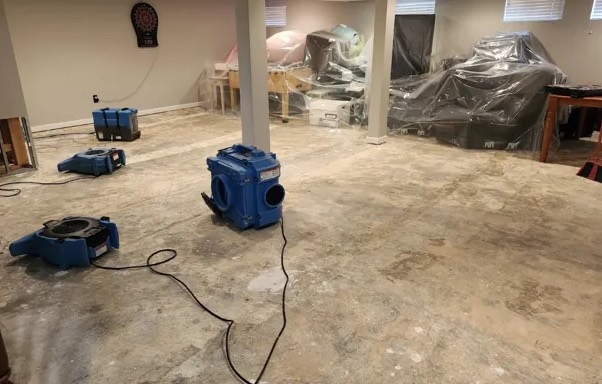
Expert Desiccant Dehumidification for Lilburn Properties
Desiccant Dehumidification in Lilburn is not needed for every job. Small leaks in warm rooms often dry well with standard dehumidifiers. Cool spaces, large buildings and dense materials are where desiccant units help most.
A flood in a large Lilburn building can need high-capacity drying. Local desiccant dehumidification experts serve Lilburn and nearby Tucker, Norcross and Stone Mountain, with help available around the clock.
Comprehensive Desiccant Dehumidification for Lilburn
Basement Dehumidification
Cool basements are where desiccant units often help most, since they keep removing moisture when the air temperature is low.
Mold Prevention Drying
Drying continues until readings on the remaining framing are normal, before walls are closed up again.
Firefighting Water Drying
After a fire, water used by firefighters soaks walls, floors and ceilings. Desiccant drying helps dry those materials once debris is cleared.
Flood Drying Services
Floodwater is treated as contaminated, so soaked porous materials are removed and surfaces cleaned before drying starts.
Emergency Dehumidification
Help is available any hour to set up drying equipment after a leak or flood, so moisture does not sit overnight in materials.
Symptoms Requiring Desiccant Dehumidification in Lilburn
Efflorescence on Masonry Surfaces
White, powdery deposits on masonry show water moving through concrete or block.
Strong Damp Odor in Rooms
A damp smell that stays in a room after cleanup means materials there are still holding moisture.
Visible Condensation on Windows
Windows that fog or drip inside show the air holds too much moisture for materials to dry.
High Humidity Readings on Meter
A hygrometer that keeps reading high humidity days after a leak shows the space is not drying.
How Desiccant Dehumidification Works in Lilburn
Step 1: Initial Damage Inspection
Humidity and moisture readings are taken across the affected area to set the drying plan.
Step 2: Deployment of Drying Equipment
Desiccant or standard dehumidifiers and air movers are placed based on the space and readings.
Step 3: Monitored Drying Cycle
Readings are logged daily, and equipment is moved or adjusted as each material dries.
Step 4: Completion and Clearance
Final readings confirm materials are dry, and the space is cleared for repairs.
What Leads to Humidity Damage Needing Desiccant Dehumidification in Lilburn
Groundwater Rise After Heavy Rains
Groundwater rising after long rains keeps crawl spaces and lower levels damp.
Appliance Malfunctions and Overflows
Washers, dishwashers and water heaters that leak leave wet floors, cabinets and walls.
Plumbing Leaks or Pipe Bursts
Burst pipes and leaking supply lines soak walls and floors that then need drying.
Roof Leaks From Damaged Shingles
Roof leaks from damaged shingles soak attic insulation, roof decking and the ceilings below.
House & Business Desiccant Dehumidification in Lilburn, GA
Residential Desiccant Dehumidification
In homes, desiccant drying is most often used in crawl spaces and cool lower levels after leaks or floods. Standard units are used in warm rooms where they work well.
Commercial Desiccant Dehumidification
In commercial buildings, high-capacity desiccant units can dry large floors and high-ceiling spaces after sprinkler leaks or floods, with drying planned around business hours.
Hiring Local Pros for Desiccant Dehumidification in Lilburn
Do not run drying equipment on materials soaked by sewage or floodwater before they are cleaned or removed, since that spreads contamination through the house.
Factors in Desiccant Dehumidification Pricing for Lilburn
Flood cleanup, crawl space access, material removal and after-hours setup all add to the total for desiccant dehumidification in Lilburn.
Number of Dehumidifiers
The number and size of dehumidifiers needed for the space is a major part of the cost.
Moisture Saturation Level
Materials that are fully soaked take longer to dry than lightly damp ones.
Additional Restoration Steps
Extraction, material removal and cleaning before drying are separate steps that add to the total.
Does Insurance Cover Desiccant Dehumidification?
Daily humidity and moisture logs from local desiccant dehumidification experts help support an insurance claim for drying after water damage in Lilburn.
Advantages of Hiring Local Pros in Lilburn for Desiccant Dehumidification
Industry Drying Standards
Drying follows industry water damage standards, with readings taken at every visit.
Post-Flood Drying
Floodwater cleanup is followed by drying that continues until readings are normal.
Targeted Drying
Equipment is placed for the specific materials and spaces that are wet.
Emergency Desiccant Dehumidification Response for Lilburn
If the wet area has electrical hazards or sagging ceilings, stay clear and shut off power if it is safe. Then call (470) 722-8241 for help in Lilburn.
Call Now (470) 722-8241Desiccant Dehumidification Coverage for Lilburn and Beyond
Besides Lilburn, the experts handle desiccant and standard drying in nearby Tucker, Norcross and Stone Mountain.
- Desiccant Dehumidification in Tucker
- Desiccant Dehumidification in Norcross
- Desiccant Dehumidification in Stone Mountain
- Desiccant Dehumidification in Peachtree Corners
- Desiccant Dehumidification in Snellville
- Desiccant Dehumidification in Lawrenceville
- Desiccant Dehumidification in Grayson
- Desiccant Dehumidification in Duluth
- Emergency Damage Restoration in 30047
- Storm Damage Restoration in 30047
- Water Damage Restoration in 30047
- Water Extraction Service in 30047
- Water Leak Detection in 30047
- Water Removal Service in 30047
- Emergency Damage Restoration in 30048
- Storm Damage Restoration in 30048
Desiccant Dehumidification Information: Your Questions
What equipment is used for commercial building drying?
High-capacity desiccant or refrigerant dehumidifiers, air movers, moisture meters and sometimes ducting to direct dry air.
Why use desiccant drying after a fire?
Firefighting water soaks large areas, and high-capacity drying helps remove that moisture once debris is cleared.
What is involved in basement dehumidification after a flood?
Removing water, placing dehumidifiers and air movers and running them until concrete and framing read dry.
How is emergency dehumidification different from standard service?
It starts right after a leak or flood, any time of day, so materials do not keep soaking up moisture.
What does water damage dehumidification include?
Taking readings, placing dehumidifiers and air movers, logging progress daily and confirming materials are dry.