Madison, GA · Morgan County
Desiccant Dehumidification in Madison, GAEmergency Dehumidification & Flood Drying Services
Desiccant Dehumidification in Madison runs from emergency dehumidification and flood drying services to firefighting water drying.
Answered 24/7
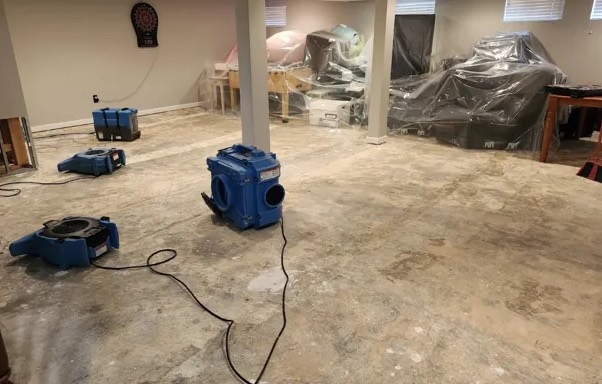
Local Desiccant Dehumidification Services for Madison
Construction projects in Madison can trap moisture in new concrete, drywall mud and framing. Flooring and finishes may fail if laid over damp materials.
Property owners in Madison can call (470) 722-8241 day or night when water damage needs drying. Service also covers Social Circle, Eatonton and Monroe, with equipment sized to the space.
Specialized Desiccant Dehumidification in Madison, GA
Emergency Dehumidification
Equipment is sized to the space on the first visit and adjusted each day based on readings.
Flood Drying Services
Floodwater is treated as contaminated, so soaked porous materials are removed and surfaces cleaned before drying starts.
Water Damage Dehumidification
Dehumidification runs alongside air movers, and readings are taken daily until every wet material is back to normal.
Crawl Space Drying
Water is removed from the crawl space first, then desiccant drying brings humidity down so the framing can dry.
Mold Prevention Drying
Drying an area quickly after affected materials are removed limits regrowth. Desiccant units help reach low humidity in closed work areas.
When to Consider Desiccant Dehumidification in Madison
Cold, Damp Feeling in Air
Air that feels cold and damp, especially in lower levels, can be too cool for standard dehumidifiers to work well.
Warped Wood Floors or Trim
Wood floors or trim that cup or warp after a leak are still taking on moisture.
Efflorescence on Masonry Surfaces
White, powdery deposits on masonry show water moving through concrete or block.
Musty Smell in Stored Items
Boxes and fabrics that smell musty show the space has stayed damp too long.
How Desiccant Dehumidification Works in Madison
Step 1: Initial Damage Inspection
Humidity and moisture readings are taken across the affected area to set the drying plan.
Step 2: Deployment of Drying Equipment
Desiccant or standard dehumidifiers and air movers are placed based on the space and readings.
Step 3: Monitored Drying Cycle
Readings are logged daily, and equipment is moved or adjusted as each material dries.
Step 4: Completion and Clearance
Final readings confirm materials are dry, and the space is cleared for repairs.
Sources of Moisture Requiring Desiccant Dehumidification in Madison
Plumbing Leaks or Pipe Bursts
Burst pipes and leaking supply lines soak walls and floors that then need drying.
Foundation Cracks and Seepage
Foundation cracks let groundwater seep into lower levels, keeping walls and floors damp.
Roof Leaks From Damaged Shingles
Roof leaks from damaged shingles soak attic insulation, roof decking and the ceilings below.
Fire Suppression System Activation
Fire sprinklers and firefighting water soak large areas of a building at once.
House & Business Desiccant Dehumidification in Madison, GA
Residential Desiccant Dehumidification
Homes with wet attics after roof leaks may need attic drying equipment placed carefully on boards for safe footing.
Commercial Desiccant Dehumidification
Schools, offices and medical buildings may schedule equipment setup and removal after hours to limit disruption to staff and visitors.
Hiring Local Pros for Desiccant Dehumidification in Madison
Buying a moisture meter can help you check walls after a small leak. For larger damage, readings from local water damage restoration pros confirm when materials are truly dry.
Factors in Desiccant Dehumidification Pricing for Madison
The cost of desiccant dehumidification in Madison depends on the size of the wet area, how wet the materials are and how long the equipment needs to run.
Duration of Equipment Use
Drying usually takes several days, and each day of equipment use adds to the total.
Additional Restoration Steps
Extraction, material removal and cleaning before drying are separate steps that add to the total.
Number of Dehumidifiers
The number and size of dehumidifiers needed for the space is a major part of the cost.
Does Insurance Cover Desiccant Dehumidification?
Coverage for desiccant dehumidification depends on the cause of the water and your policy. The pros document the drying, and your insurer decides what is covered.
Advantages of Hiring Local Pros in Madison for Desiccant Dehumidification
Large Projects
Large buildings and job sites get drying plans that keep work and business moving.
Damage Assessment
The full affected area is checked, including rooms next to and below the source.
Detailed Moisture Documentation
Daily humidity and moisture readings are logged to show progress and support insurance claims.
Emergency Desiccant Dehumidification Response for Madison
The sooner drying starts, the fewer materials need replacing. Call (470) 722-8241 for desiccant dehumidification in Madison right after a leak or flood.
Call Now (470) 722-8241Desiccant Dehumidification Coverage for Madison and Beyond
Other places served are listed below, each with its own page.
- Desiccant Dehumidification in Social Circle
- Desiccant Dehumidification in Eatonton
- Desiccant Dehumidification in Monroe
- Desiccant Dehumidification in Covington
- Desiccant Dehumidification in Winder
- Desiccant Dehumidification in Loganville
- Desiccant Dehumidification in Conyers
- Desiccant Dehumidification in Grayson
- Emergency Damage Restoration in 30650
- Storm Damage Restoration in 30650
- Water Damage Restoration in 30650
- Water Extraction Service in 30650
- Water Leak Detection in 30650
- Water Removal Service in 30650
Desiccant Dehumidification FAQs
How does a desiccant dehumidifier work differently?
It passes air over a material that absorbs moisture instead of cooling the air, so it keeps working in cool conditions.
How is emergency dehumidification different from standard service?
It starts right after a leak or flood, any time of day, so materials do not keep soaking up moisture.
What are the benefits of construction drying services?
Drying slabs and drywall on schedule so flooring and finishes are not installed over damp materials.
Why use desiccant drying after a fire?
Firefighting water soaks large areas, and high-capacity drying helps remove that moisture once debris is cleared.
What happens after desiccant dehumidification is complete?
Final readings are recorded, equipment is removed and the space is ready for repairs or finishes.