Grayson, GA · Gwinnett County
Desiccant Dehumidification in Grayson, GAEmergency Dehumidification & Basement Dehumidification
Get desiccant dehumidification in Grayson for emergency dehumidification, flood drying services and firefighting water drying.
Answered 24/7
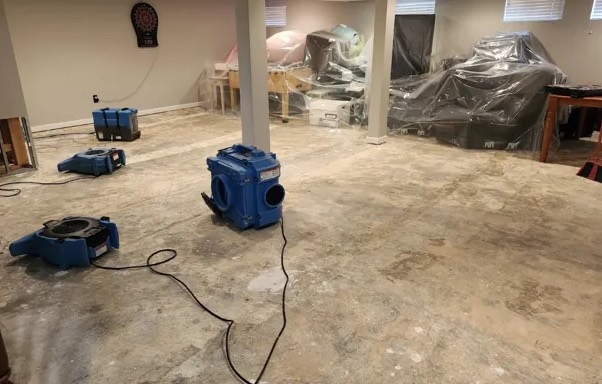
Expert Desiccant Dehumidification for Grayson Properties
After a fire in Grayson, the water used to put it out soaks rooms well beyond the burned area. That water needs to come out before rebuilding.
Property owners in Grayson can call (470) 722-8241 day or night when water damage needs drying. Service also covers Snellville, Lawrenceville and Loganville, with equipment sized to the space.
Desiccant Dehumidification Services in Grayson
Emergency Dehumidification
Help is available any hour to set up drying equipment after a leak or flood, so moisture does not sit overnight in materials.
Basement Dehumidification
Cool basements are where desiccant units often help most, since they keep removing moisture when the air temperature is low.
Mold Prevention Drying
In contained work areas, desiccant dehumidifiers keep the air dry while damaged materials are removed and framing is cleaned.
Water Damage Dehumidification
Desiccant or refrigerant dehumidifiers are chosen based on the space, the temperature and how dry the air needs to get.
Crawl Space Drying
Crawl spaces are cool and damp, which suits desiccant units. Dry air is pushed in to pull moisture from the joists and subfloor.
Red Flags for Desiccant Dehumidification in Grayson Properties
Recent Water Damage Event
Any recent leak or flood that soaked drywall, flooring or framing needs drying beyond a household unit.
Musty Smell in Stored Items
Boxes and fabrics that smell musty show the space has stayed damp too long.
Efflorescence on Masonry Surfaces
White, powdery deposits on masonry show water moving through concrete or block.
Cold, Damp Feeling in Air
Air that feels cold and damp, especially in lower levels, can be too cool for standard dehumidifiers to work well.
How Desiccant Dehumidification Works in Grayson
Step 1: Moisture Mapping
Readings across walls, floors and framing show exactly where moisture remains in the building.
Step 2: Equipment Placement
Dehumidifiers and air movers are placed where the moisture readings are highest.
Step 3: Continuous Moisture Extraction
Drying runs until the wettest areas match the rest of the building.
Step 4: Confirmation and Reporting
A report shows the starting and final moisture readings for each area that was dried.
Common Causes for Desiccant Dehumidification in Grayson
Groundwater Rise After Heavy Rains
Groundwater rising after long rains keeps crawl spaces and lower levels damp.
Foundation Cracks and Seepage
Foundation cracks let groundwater seep into lower levels, keeping walls and floors damp.
Severe Weather and Storm Flooding
Storms and flooding soak lower levels and leave large volumes of wet material.
New Construction Moisture Trapped
New concrete, drywall mud and framing on job sites hold moisture until they are dried.
Residential and Commercial Desiccant Dehumidification in Grayson
Residential Desiccant Dehumidification
Homeowners with damp basements may need desiccant drying after a flood because cool concrete and air slow standard units.
Commercial Desiccant Dehumidification
Warehouses with large slabs and stock need humidity kept low during drying to protect inventory and dry the concrete.
The Limits of DIY Desiccant Dehumidification in Grayson
You can run your own dehumidifier and keep the wet room closed. Drying soaked materials in a crawl space or cool lower level usually needs commercial equipment.
Factors in Desiccant Dehumidification Pricing for Grayson
The pros take readings before pricing desiccant dehumidification in Grayson, then explain how many units are needed and how long drying should take.
Moisture Saturation Level
Materials that are fully soaked take longer to dry than lightly damp ones.
Number of Dehumidifiers
The number and size of dehumidifiers needed for the space is a major part of the cost.
Affected Area Size
Larger affected areas need more drying units and more air movers running at once.
Does Insurance Cover Desiccant Dehumidification?
Insurers often want proof that drying was needed and that it worked. Starting and final moisture readings from the job show both.
Benefits of Local Pros for Desiccant Dehumidification in Grayson
Structural Drying
Walls, floors and framing are dried, not just the air in the room.
Targeted Drying
Equipment is placed for the specific materials and spaces that are wet.
Prevention of Mold
Fast, complete drying is one of the main ways to keep mold from starting after water damage.
Round-the-Clock Desiccant Dehumidification in Grayson, GA
The sooner drying starts, the fewer materials need replacing. Call (470) 722-8241 for desiccant dehumidification in Grayson right after a leak or flood.
Call Now (470) 722-8241Locations for Desiccant Dehumidification Around Grayson
Drying after water damage also covers homes, job sites and businesses in Snellville, Lawrenceville and Loganville, close to Grayson.
- Desiccant Dehumidification in Snellville
- Desiccant Dehumidification in Lawrenceville
- Desiccant Dehumidification in Loganville
- Desiccant Dehumidification in Lilburn
- Desiccant Dehumidification in Suwanee
- Desiccant Dehumidification in Norcross
- Desiccant Dehumidification in Duluth
- Desiccant Dehumidification in Stone Mountain
- Emergency Damage Restoration in 30017
- Storm Damage Restoration in 30017
- Water Damage Restoration in 30017
- Water Extraction Service in 30017
- Water Leak Detection in 30017
- Water Removal Service in 30017
Answers to Top Desiccant Dehumidification Queries
What is involved in basement dehumidification after a flood?
Removing water, placing dehumidifiers and air movers and running them until concrete and framing read dry.
What does water damage dehumidification include?
Taking readings, placing dehumidifiers and air movers, logging progress daily and confirming materials are dry.
What are the benefits of construction drying services?
Drying slabs and drywall on schedule so flooring and finishes are not installed over damp materials.
What equipment is used for commercial building drying?
High-capacity desiccant or refrigerant dehumidifiers, air movers, moisture meters and sometimes ducting to direct dry air.
Can desiccant dehumidification help prevent mold?
Yes. Lowering humidity and drying materials quickly is one of the main ways to keep mold from starting.