Acworth, GA · Cobb County
Subfloor Water Damage Repair in Acworth, GAWater Damaged Subfloor Repair & Subfloor Leak Source Repair
Subfloor Water Damage Repair in Acworth includes emergency subfloor water removal, water damaged subfloor repair and subfloor mold prevention.
Answered 24/7
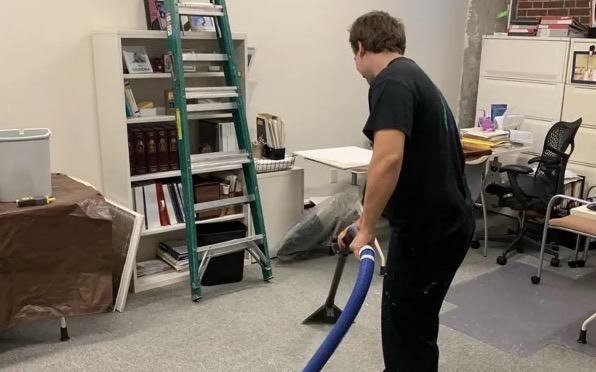
Local Subfloor Water Damage Repair for Acworth Homes
Subfloor leak source repair in Acworth prevents recurring water issues that could lead to persistent dampness and deterioration. Local restoration pros trace the origin of the leak, whether from plumbing, appliances, or external sources.
In Acworth and nearby Kennesaw, Woodstock and Cartersville, pros dry wet subfloors and replace soft panels to restore a stable floor and protect your indoor air.
Common Subfloor Water Damage Repair Processes
Water Damaged Subfloor Repair
After drying, some sections may need replacement. The pros identify areas with broken-down wood fibers or mold.
Subfloor Leak Source Repair
Fixing the leak source prevents recurrence. The specialists trace moisture to its origin, like a leaking pipe.
Subfloor Mold Prevention
After extraction and drying, pros may apply antimicrobial agents to the subfloor so mold cannot take hold.
Subfloor Water Extraction
Pros remove all pooled water, using specialized wands to pull it from the cavities between subfloor panels and joists, so drying can work.
Subfloor Flood Damage Cleanup
Cleanup after a subfloor flood addresses water and potential contaminants. Pros extract the flood water, then use drying systems for residual moisture.
Symptoms of a Wet Subfloor
Visible Mold on Baseboards
Mold growth along floor edges or baseboards frequently originates from a wet subfloor concealed beneath the surface.
Cracked or Loose Floor Tiles
Tiles that crack, pop loose, or lose grout integrity are often victims of a shifting, wet subfloor beneath.
Floor Discoloration or Darkening
Discolored, darkened patches on flooring materials are a visual indicator of water migration from a compromised subfloor.
Spongy or Soft Floor Feel
Walking on a floor that feels unusually soft or springy suggests the subfloor structure has been compromised by water.
How Subfloor Water Damage Repair Works in Acworth
Step 1: Subfloor Flood Damage Cleanup
Initial action is bulk water removal from a flooded subfloor cavity. The professionals perform subfloor flood damage cleanup, extracting water to reduce weight and structural stress on the building.
Step 2: Strategic Subfloor Drying
Engineered drying systems are deployed to address the specific subfloor type. This wet subfloor drying phase uses calculated air patterns and humidity control to achieve drying goals.
Step 3: Water Damaged Subfloor Repair
Damaged sections of the subfloor are carefully removed and replaced. The water damaged subfloor repair process integrates new, dry materials that match the original structure's strength and specifications.
Step 4: Final Verification & Documentation
Post-repair, moisture readings confirm the subfloor is dry. The pros document the entire process with photos and data for your records and any potential insurance claim review.
What Leads to Wet Subfloors in Acworth
Window or Door Seal Failure
Improperly sealed windows or doors allow wind-driven rain to enter and flow down to the subfloor level.
Toilet Seal or Flange Leaks
Failed wax rings or cracked toilet flanges allow continuous water leakage during every flush, damaging the surrounding subfloor.
Foundation or Slab Moisture
Groundwater seepage or capillary action through a concrete slab can introduce constant moisture to the subfloor above.
Ice Maker Line Breaks
A ruptured flexible supply line to a refrigerator ice maker can spray water that flows under adjacent cabinets and flooring.
Both Residential & Commercial Subfloor Water Damage Repair
Residential Subfloor Water Damage Repair
Residential subfloor leaks commonly occur near plumbing fixtures, creating localized damage. The specialists address this by isolating the leak source and performing targeted subfloor drying services.
Commercial Subfloor Water Damage Repair
Commercial properties risk extensive subfloor flood damage from burst pipes or equipment failures. The professionals implement large-scale subfloor water damage cleanup using powerful extraction and drying systems.
Subfloor Water Damage Repair vs. DIY: When to Call Subfloor Drying Experts
Shutting off the water supply to a leaking appliance or fixture is a responsible first step you can take to prevent more water from reaching the subfloor. Document the visible damage with photos for your insurance claim.
Subfloor Water Damage Repair Cost in Acworth, GA
The experts base subfloor water damage repair costs in Acworth on the project scope, from emergency water removal to final restoration.
Mold Prevention
If subfloor mold prevention measures, like antimicrobial treatments, are necessary following water extraction, this adds a step to the overall restoration protocol.
Leak Source Repair
Identifying and fixing the subfloor leak source is often a separate task that must be completed before the drying and repair can finalize.
Drying Duration
The time needed for subfloor moisture removal using professional drying equipment directly correlates to the operational costs for the professionals.
Does Insurance Cover Subfloor Water Damage Repair?
Insurance coverage for subfloor water extraction and drying services varies by provider and specific policy language. The professionals follow industry-standard methods to mitigate damage, providing documentation a homeowner's insurer may require for a claim.
Why Choose Local Experts for Subfloor Water Damage Repair in Acworth
Mold Prevention Focus
Proactive subfloor mold prevention techniques are applied after water extraction to inhibit mold within the repaired subfloor structure.
Structural Integrity Assessment
The condition of the subfloor is evaluated during repair to determine if wet subfloor replacement is necessary or if drying will suffice.
Drying Verification
Moisture readings after drying confirm the subfloor is dry before any rebuilding starts.
Emergency Subfloor Water Damage Repair Response for Acworth
Water under your floors? Call (470) 722-8241 any time to start water extraction and subfloor drying before the panels swell or rot.
Call Now (470) 722-8241Subfloor Water Damage Repair Throughout the Acworth Region
The experts repair water-damaged subfloors for homes in Acworth and nearby areas like Kennesaw, Woodstock and Cartersville.
- Subfloor Water Damage Repair in Kennesaw
- Subfloor Water Damage Repair in Woodstock
- Subfloor Water Damage Repair in Cartersville
- Subfloor Water Damage Repair in Holly Springs
- Subfloor Water Damage Repair in Dallas
- Subfloor Water Damage Repair in Powder Springs
- Subfloor Water Damage Repair in Canton
- Subfloor Water Damage Repair in Smyrna
- Emergency Damage Restoration in 30101
- Storm Damage Restoration in 30101
- Water Damage Restoration in 30101
- Water Extraction Service in 30101
- Water Leak Detection in 30101
- Water Removal Service in 30101
- Emergency Damage Restoration in 30102
- Storm Damage Restoration in 30102
Your Subfloor Water Damage Repair Questions Addressed
What is verified after subfloor drying services are complete?
The professionals verify that moisture readings match dry standard levels in the subfloor and surrounding materials, ensuring the environment is stable for repair or rebuilding.
Are different subfloor materials treated the same way?
No, drying protocols differ for wood-based subfloors versus concrete slabs; professionals adjust equipment settings and drying times based on the specific material involved.
Can a water damaged subfloor be repaired without replacement?
If drying works and the structure is sound, repair is possible; severe swelling or rot usually means replacing part or all of the subfloor.
Why is subfloor mold prevention important after water damage?
Because dark, damp subfloor cavities are ideal for mold growth, antimicrobial treatments are applied during restoration to inhibit spore colonization and future issues.
What happens if subfloor water damage is ignored?
Ignored damage leads to warping, floor failure, persistent mold growth, and deteriorating indoor air quality, ultimately requiring more extensive and costly repairs later.