Powder Springs, GA · Cobb County
Temperature-Controlled Drying in Powder Springs, GADrying Equipment Deployment & Rapid Structural Drying Services
Temperature-Controlled Drying in Powder Springs includes thermal drying for water damage, rapid structural drying services, and humidity control for restoration managed by local moisture control experts.
Answered 24/7
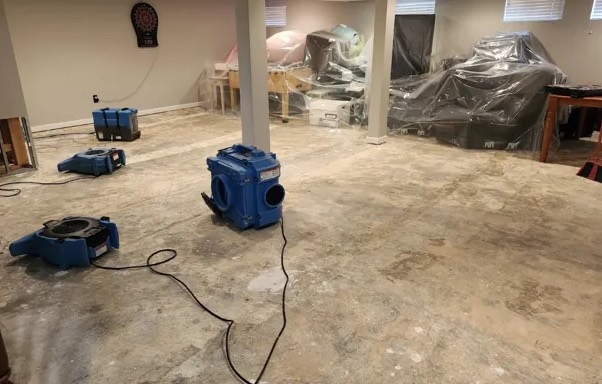
Local Temperature-Controlled Drying Solutions for Powder Springs Homes
In Powder Springs, water trapped in subfloors, wall cavities or behind cabinets dries slowly because the air there does not move.
In Powder Springs and nearby Austell, Hiram and Mableton, local pros take baseline moisture readings, then run air movers and dehumidifiers and log moisture levels as they drop.
Comprehensive Temperature-Controlled Drying Solutions for Powder Springs
Drying Equipment Deployment
The experts set up LGR dehumidifiers, axial fans and cavity drying systems to work together on the wet structure.
Rapid Structural Drying Services
The experts aim air movers at wet studs, joists and subfloors to dry the structure safely.
Climate-Controlled Drying Systems
Dehumidifiers and air movers keep the air in a contained space warm and dry, so moisture moves out of materials faster.
Humidity Control for Restoration
Dehumidifiers lower the dew point in the affected area, so materials give up their moisture more easily.
Water Damage Drying Logs
The experts create detailed, timestamped drying logs. These records track initial readings, daily progress, and final verification, providing proof that industry-standard drying was followed.
When to Call for Temperature-Controlled Drying in Powder Springs, GA
Damp Odors Persisting After Water
A musty smell lingers even after visible water is gone, indicating hidden moisture. That odor often signals mold or trapped dampness.
High Humidity Readings Inside
A hygrometer showing unusually high indoor humidity after water damage means the building is still wet.
Cracking of Plaster or Joints
Plaster or drywall joint tape develops new cracks or fissures. These cracks occur as wet materials swell and then contract during drying.
Soft Drywall or Sagging Ceiling
Drywall feels spongy to the touch or a ceiling sags downward. This softness means the material is saturated and structurally compromised.
How Temperature-Controlled Drying Works in Powder Springs
Step 1: Assessment and Moisture Detection
The pros perform a thorough assessment using thermal imaging and moisture meters. This identifies the full extent of damage, guiding the drying plan.
Step 2: Containment and Airflow Strategy
Plastic barriers close off the wet area so humidity can be controlled, and air movers are placed to move air across wet materials.
Step 3: Thermal Drying System Activation
Specialized thermal drying equipment is activated to gently raise the air temperature in the space.
Step 4: Verification and Structural Drying Completion
Readings are compared with dry areas of the building to confirm drying is complete.
Sources of Water Intrusion Needing Moisture Removal in Powder Springs
Sprinkler System Activation
A fire sprinkler discharges, releasing a large volume of water quickly. This event saturates entire areas and requires precise air mover placement and strategy.
Undetected Plumbing Leaks
A slow drip behind a wall or under a slab saturates materials over time.
Inadequate Initial Water Extraction
Water left behind after a leak or flood moves into subfloors and walls, where it is harder to dry.
Storm-Driven Water Intrusion
Heavy rain overflows gutters or gets in around windows and soaks framing and insulation.
Residential & Commercial Temperature-Controlled Drying in Powder Springs
Residential Temperature-Controlled Drying
At home, the pros dry wall cavities, subfloors and belongings with air movers and dehumidifiers, and keep drying logs for your insurance review.
Commercial Temperature-Controlled Drying
For businesses, rapid drying minimizes downtime and protects inventory, equipment, and building integrity. Large-scale drying systems are implemented to address moisture in offices, retail spaces, and warehouses.
Temperature-Controlled Drying vs. DIY Drying in Powder Springs
After the water is removed, wipe hard surfaces like tile or sealed wood with a disinfectant, and shut off the water source if it is still leaking.
Cost Considerations for Temperature-Controlled Drying in Powder Springs
In Powder Springs, the main price factors are how long drying takes and which equipment, such as heaters or desiccants, is used.
Humidity Control Measures
Controlling humidity in tight spaces often takes specialized drying equipment and frequent adjustments.
Drying Time Required
Longer drying periods for climate-controlled systems mean more equipment runtime and monitoring, impacting the overall cost of the restoration project.
Moisture Mapping Complexity
Checking moisture in layered floors or hidden cavities takes more time and equipment.
Does Insurance Cover Temperature-Controlled Drying?
Whether insurance pays for thermal drying for water damage depends on your policy's specific language and the cause of loss. The pros meticulously record moisture levels and drying progress to create a verifiable log for your adjuster.
Advantages of Hiring Moisture Control Experts in Powder Springs for Temperature-Controlled Drying
Structural Drying
The focus is on quickly extracting moisture from structural components to minimize warping, swelling, or the potential for mold growth.
Ongoing Moisture Monitoring
Regular checks with moisture meters verify that drying goals are met, helping ensure no residual dampness remains within walls or floors.
Comprehensive Drying Logs
Detailed, chronological logs of moisture readings and equipment settings provide a transparent record of the entire temperature-controlled drying process.
24/7 Emergency Temperature-Controlled Drying in Powder Springs
Stop water damage from getting worse while materials sit wet. Call (470) 722-8241 24/7 for drying help from local pros in Powder Springs.
Call Now (470) 722-8241Temperature-Controlled Drying Serving Powder Springs and Nearby Areas
Temperature-controlled drying is available for homes in Powder Springs and nearby places like Austell, Hiram and Mableton.
- Temperature-Controlled Drying in Austell
- Temperature-Controlled Drying in Hiram
- Temperature-Controlled Drying in Mableton
- Temperature-Controlled Drying in Douglasville
- Temperature-Controlled Drying in Smyrna
- Temperature-Controlled Drying in Kennesaw
- Temperature-Controlled Drying in Dallas
- Temperature-Controlled Drying in Acworth
- Emergency Damage Restoration in 30127
- Storm Damage Restoration in 30127
- Water Damage Restoration in 30127
- Water Extraction Service in 30127
- Water Leak Detection in 30127
- Water Removal Service in 30127
Frequently Asked Questions About Temperature-Controlled Drying
How is drying progress verified during moisture monitoring?
Progress is verified by taking comparative moisture readings with penetrating and non-penetrating meters over time, ensuring levels drop to established dry standards for each material.
Is temperature-controlled drying safe for electronics or artwork?
Yes, when the pros use low heat and careful humidity control, it can be safe for drying sensitive materials and belongings.
How does thermal drying for water damage work?
Thermal drying applies carefully managed heat to increase the evaporation rate of moisture trapped within materials, accelerating the drying process while monitored to prevent damage.
What should a property owner do while waiting for help with drying?
If safe, remove obvious standing water with a mop or towels, move dry contents away from the wet area, and avoid using household fans which can spread contaminants.
How does humidity control aid in restoration?
Drier air pulls water out of wet materials faster, so lowering humidity speeds up drying.