Lilburn, GA · Gwinnett County
Basement Water Removal in Lilburn, GAEmergency Basement Flooding & Basement Water Pump Out
After a burst pipe or storm, Basement Water Removal in Lilburn means basement water pump out, basement wall drying and basement drying services.
Answered 24/7
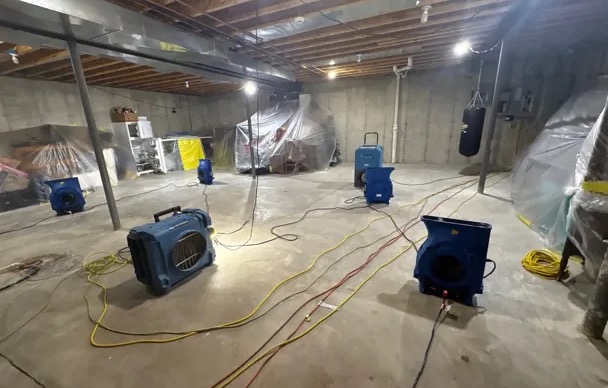
Local Basement Water Removal Services for Lilburn
Basement Water Removal in Lilburn protects more than the floor. Furnaces, water heaters, washers and stored belongings in the basement can all be damaged by standing water.
A finished basement or lower level in Lilburn or Tucker, Norcross and Stone Mountain can hide water under flooring and behind drywall. The pros find and remove it before it causes lasting damage.
Basement Water Removal Services in Lilburn
Emergency Basement Flooding
Help is available any hour when water is rising in the basement from a storm, a sewer backup or a burst pipe.
Basement Water Pump Out
A pump-out removes standing water from the basement with submersible pumps, discharging it outside and away from the foundation.
Sump Pump Failure Water Cleanup
A backup pump or battery system is worth discussing with a plumber after the cleanup, since sump failures often repeat in storms.
Basement Floor Water Damage
Flooring that buckled or swelled is removed. Tile and sealed concrete can often be cleaned and dried in place.
Basement Dehumidification
Large dehumidifiers pull moisture from basement air, which lets walls, framing and the slab release the water they absorbed.
Common Symptoms Requiring Basement Water Removal
Standing Water in Basement
Standing water anywhere on the basement floor needs to be pumped out before it soaks the walls.
High Humidity and Condensation
Water on pipes and windows, or a constantly clammy feel, means basement humidity is too high.
Warped or Buckling Flooring
Flooring that buckles, lifts or feels spongy has water trapped between it and the slab.
Mold or Mildew
Dark spots on drywall, framing or stored items mean the area has stayed wet for days.
How Basement Water Removal Works in Lilburn
Step 1: Emergency Water Extraction
Power is made safe, then pumps and extractors remove standing water from the basement floor.
Step 2: Detailed Moisture Inspection
Meters map wet walls, framing and slab areas, including behind finished walls and under flooring.
Step 3: Drying and Dehumidification
Air movers and large dehumidifiers run continuously, with readings checked every day.
Step 4: Final Verification and Monitoring
Readings are compared to dry areas, and equipment is removed only when the basement tests dry.
What Causes Water Damage in Basements
Clogged or Damaged Gutters
Clogged gutters and short downspouts dump roof water right next to the foundation.
Foundation Cracks and Seepage
Cracks in foundation walls and the slab let groundwater seep in during wet weather.
Plumbing Leaks or Pipe Bursts
Supply lines, drain pipes and water heaters in the basement can leak or burst onto the floor.
Window Well Leaks and Drainage
Window wells without drains or covers fill with rain and leak through the windows.
Residential and Commercial Basement Water Removal in Lilburn
Residential Basement Water Removal
Finished basements used as bedrooms or family rooms need careful moisture checks behind walls and under flooring, since that is where water hides.
Commercial Basement Water Removal
Businesses with below-grade storage need wet inventory moved out and documented. Drying is planned around daily operations wherever possible.
Basement Water Removal vs. DIY: When to Call the Pros
A small puddle on bare concrete can be handled with a wet vac, towels and a dehumidifier. Call local water extraction experts if water reached carpet, drywall or framing, or covers much of the floor.
Factors Affecting Basement Water Removal Cost
In Lilburn, the drying phase usually costs more than the pumping, because basements need equipment running for several days.
Time of Service
Night, weekend and storm calls can cost more than a scheduled weekday visit.
Drying Time Required
Basements dry slowly, and each extra day of equipment adds to the total.
Basement Square Footage
Larger basements need more extraction, more drying equipment and more days of drying.
Does Insurance Cover Basement Water Removal?
Photos, moisture readings and drying logs from local water extraction experts help support an insurance claim for basement water damage in Lilburn.
Why Lilburn Homeowners Trust Local Pros for Basement Water Removal
Contamination Safety Protocols
Sewage and dirty water are handled with protective gear, containment and disinfection.
Detailed Damage Documentation
Photos, readings and drying logs are kept to support your insurance claim.
Focus on Drying Outcomes
Drying continues until readings are normal, not just until surfaces look dry.
24/7 Basement Water Removal When You Need It
If water is near outlets, the furnace or the electrical panel, stay out of it. Call (470) 722-8241 for help in Lilburn and wait for power to be made safe.
Call Now (470) 722-8241Communities Served for Basement Water Removal
Help with basement water removal is also available in communities near Lilburn, including Tucker, Norcross and Stone Mountain, for flooded basements and sewer backups.
- Basement Water Removal in Tucker
- Basement Water Removal in Norcross
- Basement Water Removal in Stone Mountain
- Basement Water Removal in Peachtree Corners
- Basement Water Removal in Snellville
- Basement Water Removal in Lawrenceville
- Basement Water Removal in Grayson
- Basement Water Removal in Duluth
- Emergency Damage Restoration in 30047
- Storm Damage Restoration in 30047
- Water Damage Restoration in 30047
- Water Extraction Service in 30047
- Water Leak Detection in 30047
- Water Removal Service in 30047
- Emergency Damage Restoration in 30048
- Storm Damage Restoration in 30048
Common Basement Water Removal Questions Answered
What should I do right after basement flooding?
Make power safe, avoid sewage, move belongings above the water, take photos and call for water removal.
What equipment is used for basement water extraction?
Submersible pumps, extractors, wet vacs, air movers, large dehumidifiers and moisture meters to confirm drying.
Can I dry my basement myself with fans?
Fans help with surface water, but walls and concrete need dehumidifiers and readings to dry fully.
What is involved in basement water removal?
Making power safe, pumping out standing water, extracting floors and carpet, removing soaked materials and dehumidifying until dry.
How long does basement drying take?
Often several days or longer, because concrete and cool basement air hold moisture. Daily readings show when it is done.