Snellville, GA · Gwinnett County
Basement Water Removal in Snellville, GABasement Wall Drying & Sump Pump Failure Water Cleanup
Basement Water Removal in Snellville covers basement water pump out, basement wall drying and basement dehumidification after a flood.
Answered 24/7
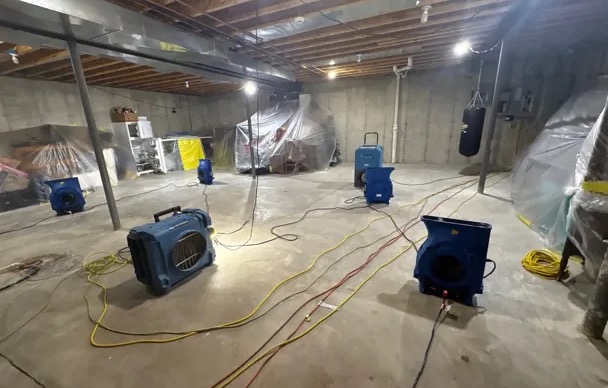
Reliable Basement Water Removal Near Snellville, Georgia
A basement that looks dry a day after a flood in Snellville can still hold a lot of water in the slab, the bottom of the walls and under flooring. That hidden water causes the musty smell many basements have.
A single storm or burst pipe in Snellville can flood a basement. Local water extraction experts serve Snellville and nearby Grayson, Loganville and Lawrenceville, with help available around the clock.
The Basement Water Removal Process in Snellville
Basement Wall Drying
Concrete and block walls dry with directed airflow and dehumidification, which pull water out of the masonry.
Sump Pump Failure Water Cleanup
When a sump pump stops, groundwater spreads across the floor. The water is pumped out and the floor and lower walls are extracted.
Basement Moisture Inspection
An inspection shows how high water wicked up the walls and how far it spread under flooring, which sets the drying plan.
Emergency Basement Flooding
Emergency response starts with making power safe, stopping the source if possible and pumping out the water.
Basement Water Pump Out
When water is more than an inch or two deep, pumps move it far faster than wet vacs, which limits how long walls sit in water.
Signs of Basement Water Damage in Snellville
Water Stains on Walls or Ceiling
Stains on lower walls or the ceiling below a bathroom or kitchen point to a leak.
Mold or Mildew
Dark spots on drywall, framing or stored items mean the area has stayed wet for days.
Rusted Appliances or Furniture
Rust on appliance bases, furniture legs or metal shelving points to standing water or long-term dampness.
Warped or Buckling Flooring
Flooring that buckles, lifts or feels spongy has water trapped between it and the slab.
How Basement Water Removal Works in Snellville
Step 1: First Call and Initial Assessment
The source, the type of water and the depth are checked, and the water level is photographed.
Step 2: Bulk Water and Contaminant Removal
Pumps remove standing water, and carpet, pad or drywall touched by dirty water is removed.
Step 3: Drying With Monitoring
Dehumidifiers and air movers run around the clock, with readings logged every day on walls and slab.
Step 4: Post-Drying Evaluation and Documentation
Final readings and photos are compiled to show the basement is dry and what was removed.
Sources of Basement Water Problems
Foundation Cracks and Seepage
Cracks in foundation walls and the slab let groundwater seep in during wet weather.
Clogged or Damaged Gutters
Clogged gutters and short downspouts dump roof water right next to the foundation.
Sewer Line Backups and Blockages
A blocked sewer line can push wastewater up through basement floor drains and toilets.
Sump Pump Malfunction or Power Loss
A sump pump that fails mechanically or loses power during a storm lets groundwater rise.
Residential and Commercial Basement Water Removal in Snellville
Residential Basement Water Removal
Finished basements used as bedrooms or family rooms need careful moisture checks behind walls and under flooring, since that is where water hides.
Commercial Basement Water Removal
Businesses with below-grade storage need wet inventory moved out and documented. Drying is planned around daily operations wherever possible.
Why DIY Basement Water Removal Often Fails in Snellville
Fans by themselves can spread damp basement air through the rest of the house. Basement drying needs dehumidifiers that pull moisture out of both the air and the concrete.
Basement Water Removal Cost in Snellville, GA
The pros look at water depth, water type and basement finishes before pricing basement water removal in Snellville, then explain the scope.
Access and Complexity
Narrow stairs, low ceilings and crowded storage areas make the work slower and longer.
Contamination Level
Sewage or dirty water needs protective gear, removal and disinfection, which costs more.
Additional Services
Antimicrobial treatment, contents cleaning and repairs after drying add to the cost.
Does Insurance Cover Basement Water Removal?
Flooding from outside water usually needs separate flood insurance. Water from a broken pipe or appliance inside is more often covered.
Benefits of Hiring Local Pros for Basement Water Removal in Snellville
Post-Service Moisture Verification
Final readings are recorded before equipment leaves, so you know the basement is dry.
Advanced Drying Equipment
Pumps, extractors and large dehumidifiers remove water much faster than household tools.
Focus on Drying Outcomes
Drying continues until readings are normal, not just until surfaces look dry.
24/7 Basement Water Removal When You Need It
The faster a basement is pumped out, the more can be saved. Call (470) 722-8241 for basement water removal in Snellville as soon as you see water.
Call Now (470) 722-8241Basement Water Removal Near Snellville: Areas Served
Nearby areas served for basement water removal include Grayson, Loganville and Lawrenceville, with the same pumping and drying steps used in Snellville.
- Basement Water Removal in Grayson
- Basement Water Removal in Loganville
- Basement Water Removal in Lawrenceville
- Basement Water Removal in Lilburn
- Basement Water Removal in Stone Mountain
- Basement Water Removal in Norcross
- Basement Water Removal in Lithonia
- Basement Water Removal in Tucker
- Emergency Damage Restoration in 30039
- Storm Damage Restoration in 30039
- Water Damage Restoration in 30039
- Water Extraction Service in 30039
- Water Leak Detection in 30039
- Water Removal Service in 30039
- Emergency Damage Restoration in 30078
- Storm Damage Restoration in 30078
Basement Water Removal in Snellville: Your Questions
Does basement flood cleanup include mold prevention?
Fast drying is the main prevention. Wood and concrete that stayed wet can be treated with an antimicrobial once dry.
How long does basement drying take?
Often several days or longer, because concrete and cool basement air hold moisture. Daily readings show when it is done.
How is contaminated water handled in a basement?
With protective gear, containment, removal of porous materials and disinfection of hard surfaces before drying.
What causes basement floor water damage?
Storm seepage, burst pipes, appliance leaks, foundation cracks and sewer backups through floor drains are the usual sources.
How is basement wall drying done?
Wet drywall is cut back, insulation removed and directed airflow and dehumidifiers dry the studs and masonry.